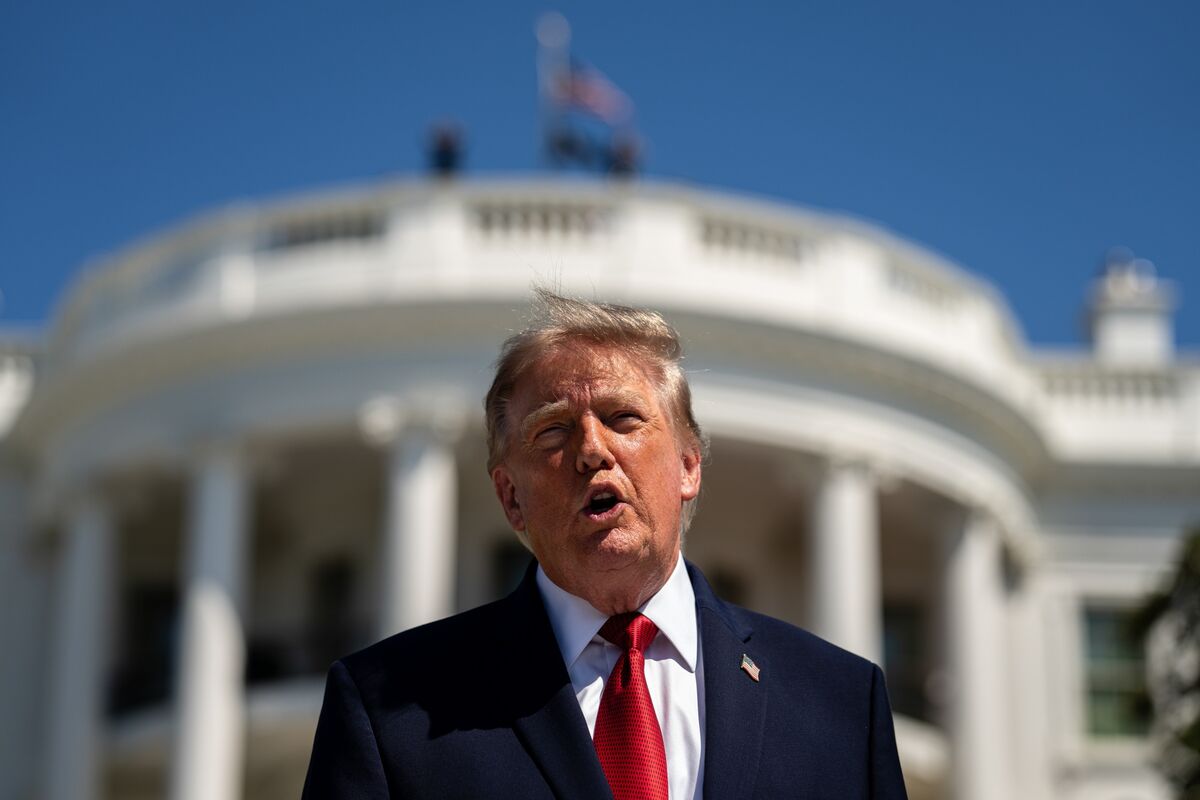
China rejected Trump’s threat to use “economic warfare” against Iran and trading partners, saying sanctions and pressure “will not help” resolve the crisis and urging diplomatic means instead. While no new policy was announced, the statement heightens geopolitical and sanctions uncertainty that can pressure cross-border trade and related risk premia.
This reads more like a credibility signal than a fresh market catalyst: when a major buyer publicly normalizes workarounds, sanctions tend to become a tax on intermediaries rather than a hard stop. The second-order winners are the gray-market logistics stack — tanker operators with sanctioned-crude exposure, opaque traders, and payment/insurance channels — while the losers are any asset priced on clean enforcement and a quick supply disruption. In crude, that usually means less upside in Brent than headlines imply, but firmer freight and wider discounts on sanctioned barrels.
For DJT, the impact is mainly via event-volatility and policy headline risk, not fundamentals. The market is likely to overreact intraday to any Trump-linked escalation language, but if there is no concrete Treasury follow-through, that premium should decay quickly over 1-2 weeks. The contrarian point: "economic warfare" rhetoric can actually cap oil if investors conclude the threat is mostly bargaining theater, which is mildly bullish for broader cyclicals and consumer-sensitive sectors over a 1-3 month horizon.
The real inflection is whether rhetoric becomes enforceable secondary sanctions, or whether China and other buyers simply route flows through third countries. If enforcement tightens, expect a short-lived risk-off spike and then a supply-chain adaptation trade; if it does not, the market should fade the headline and reprice toward a status quo of sanctioned-barrel leakage for 6-18 months. The key falsifier is a formal U.S. action package with actual designations and shipping/insurance penalties, not another statement war.
AI-powered research, real-time alerts, and portfolio analytics for institutional investors.
Request DemoOverall Sentiment
mildly negative
Sentiment Score
-0.20
Ticker Sentiment
