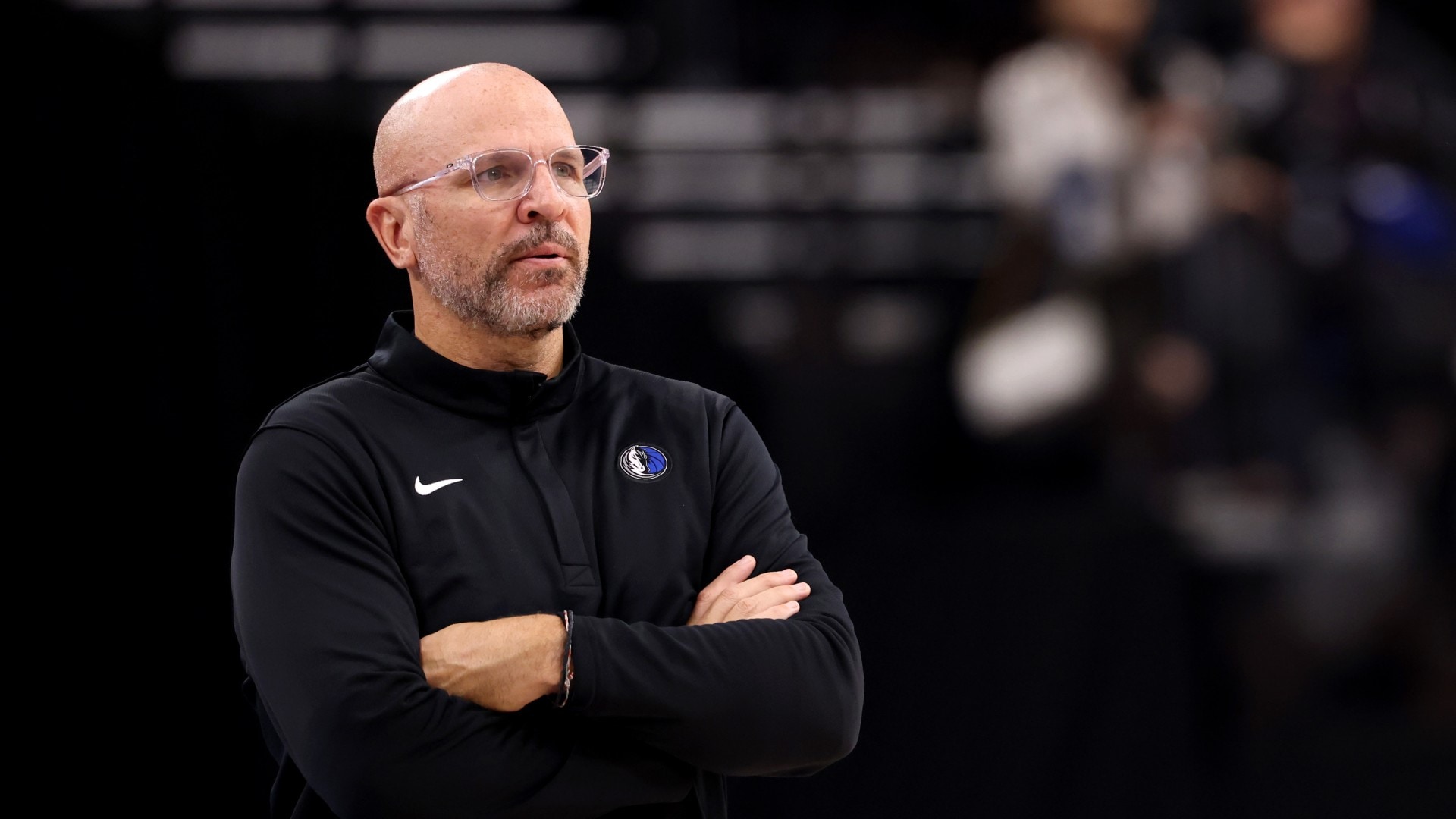
Jason Kidd is out as coach of the Dallas Mavericks after five seasons in a mutual parting, following the recent hiring of Masai Ujiri as team president and governor. Kidd had led the team to an NBA Finals appearance in 2024, but the Mavericks later traded Luka Dončić to the Lakers and missed the playoffs in both 2024-25 and 2025-26. The move is primarily a governance and roster-direction change rather than a direct market-moving event.
This is a governance reset, not just a coaching change. The key second-order effect is that the new president can now align roster, staff, and development philosophy around a longer-dated rebuild without legacy friction, which usually matters more in the first 6-12 months than any on-court scheme change. In practice, that tends to improve decision velocity on trades, draft posture, and player development resources, but it also raises the odds of short-term instability as the organization absorbs a new chain of command.
The market analogue is not the team itself but the ecosystem around it: media, sponsorship, ticketing, and local engagement generally re-rate on expectations of competence and direction, not record alone. A high-profile leadership swap after a star exit and two missed playoffs typically creates a brief narrative shock that can weigh on revenue-sensitive adjacent businesses, yet the more important effect is whether the new regime can restore credibility fast enough to prevent a multi-year erosion in brand equity. If that credibility comes back, the upside shows up with a lag; if it doesn’t, the damage compounds through season-ticket churn and softer commercial renewal rates.
Contrarian read: the consensus may be over-indexing on near-term turmoil and underestimating how quickly a clean reset can improve asset utilization, especially with a premium rookie on the timeline. The relevant catalyst window is the next 1-3 months, when staff hires and roster-move signaling will reveal whether this is a cosmetic change or a full rebuild. If the organization lands a respected coaching/development voice and shows a coherent plan, the negative sentiment can unwind faster than expected; if it doesn’t, the story shifts from transition to dysfunction, which is usually when commercial partners become more cautious.
AI-powered research, real-time alerts, and portfolio analytics for institutional investors.
Request DemoOverall Sentiment
neutral
Sentiment Score
-0.10
