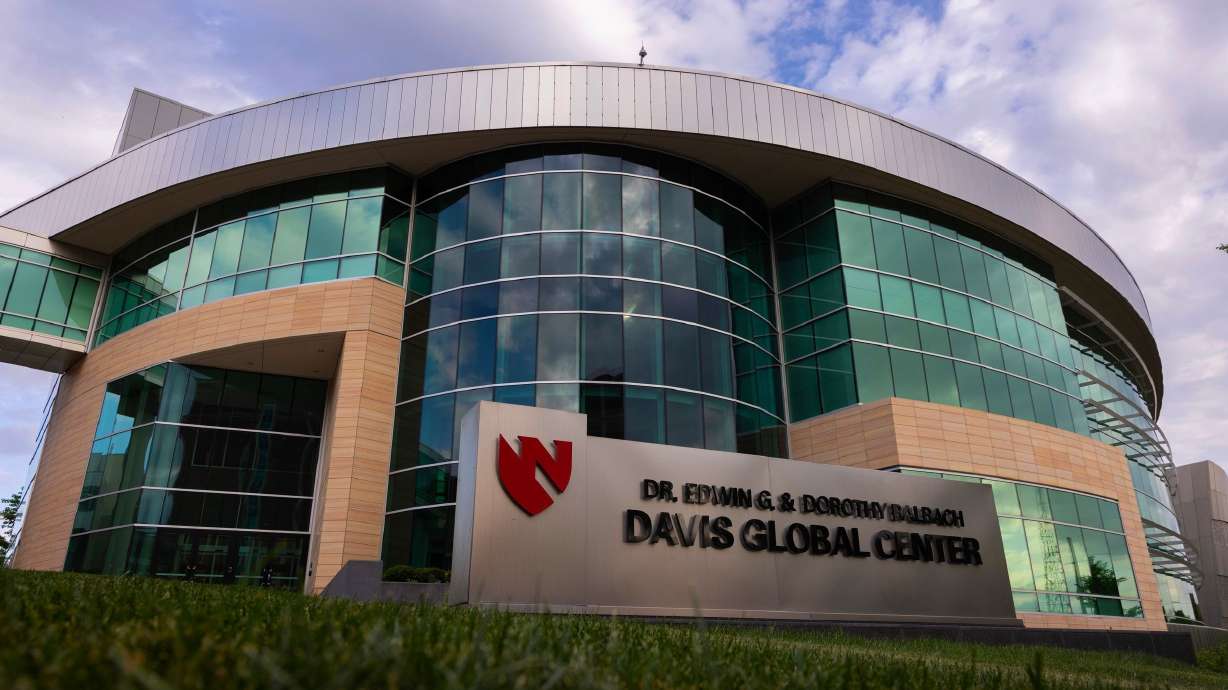
At least 18 American passengers exposed to hantavirus on the HV Hondius were told they must remain at Nebraska’s National Quarantine Center until at least May 31, reversing expectations that some could complete quarantine at home. The CDC’s shift followed additional positive cases among passengers from Spain, France, and Canada, and has drawn criticism for slow response and poor communication. The news is primarily a public health and travel-related update with limited direct market impact.
The market read-through is less about hantavirus itself and more about the policy premium now being embedded in travel-health responses. Once a health agency opts for a visible, restrictive containment posture, it creates an option value for tighter future protocols across cruise, tour, and airline operators whenever a pathogen becomes headline-relevant; that raises frictional costs even when the medical risk is low. The immediate losers are operators whose demand is already discretionary and reputation-sensitive, because booking behavior can weaken before any actual infection spread shows up in data.
The second-order effect is on the regulatory trust stack: inconsistent messaging increases the probability that state/local health departments, insurers, and corporate travel managers will impose their own overlays rather than rely on federal guidance. That tends to delay normalization of travel demand by weeks, not months, because consumers do not distinguish between “public health caution” and “operational disruption.” For healthcare services, the issue is reputational rather than fundamental, but repeated communication failures can make every future containment action more politically expensive and slower to execute.
The contrarian point is that the headline may be more bearish for sentiment than for earnings. The event is operationally small, and the lack of broad public-health danger means any selloff in cruise/leisure names should fade unless additional cases emerge over the next 2-4 weeks. The larger risk is not outbreak escalation but policy overcorrection; if the agency doubles down, it reinforces a precedent that could depress future cruise booking velocity and raise compliance costs into the summer travel window.
AI-powered research, real-time alerts, and portfolio analytics for institutional investors.
Request DemoOverall Sentiment
mildly negative
Sentiment Score
-0.35
