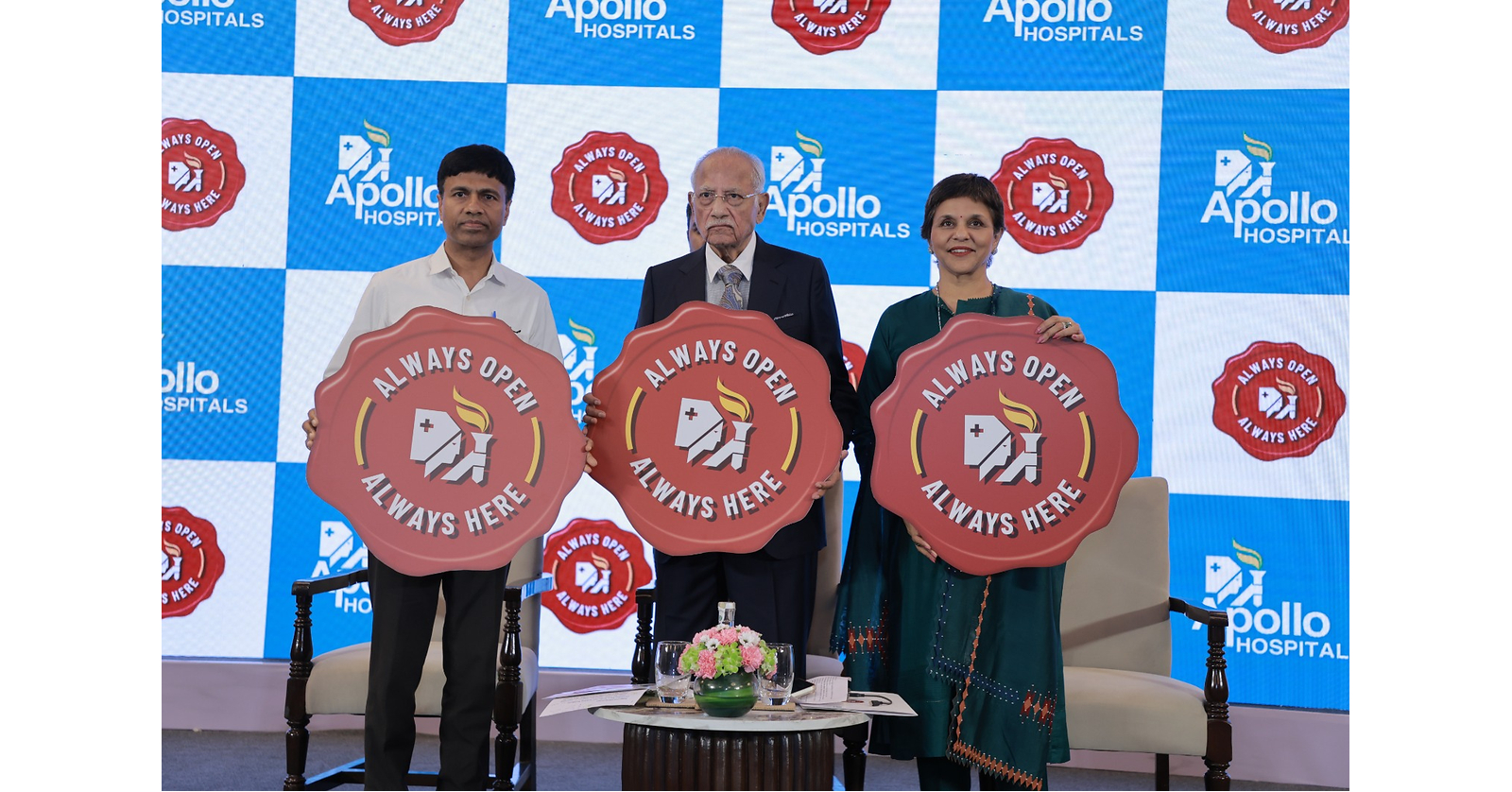
Apollo Hospitals launched “Always Open, Always Here,” expanding outpatient consultations, diagnostics, preventive health checks, follow-ups, and scheduled procedures to all seven days (including Sundays), while emergency/critical and inpatient care remain 24x7. The move targets rising lifestyle disease burdens during patients’ most productive years and complements its Zen Health Program for early detection. The news is more operational/strategic than financial, with limited immediate market impact.
The investable read is not on headline revenue; it is on utilization of a very sticky fixed-cost asset. Extending access across seven days should mainly help Apollo convert latent weekend demand into outpatient, diagnostics, and downstream procedure volume, which matters because those channels tend to carry better incremental margins than inpatient beds once the network is already built. The immediate market reaction is likely to be modestly positive, but the real P&L test is whether incremental volume is additive rather than merely redistributive.
Second-order winners are the attached ecosystem names: diagnostics, elective procedures, and preventive screening all benefit when convenience friction drops. That creates a broader moat for Apollo versus smaller regional hospitals and standalone clinics that cannot match staffing depth or integrated referral flow; over 6-18 months, the risk is share leakage away from less connected providers and toward integrated chains. The more important question is whether Apollo can use Sunday traffic to increase conversion into higher-value imaging and surgery, not just add low-ticket consults.
The main risk is execution cost. If Sunday coverage requires overtime premiums, physician incentives, or underutilized staff, the margin benefit can be delayed by 1-2 quarters or disappear entirely; that would make this more of a brand campaign than an earnings catalyst. Contrarian view: the market may underappreciate how much healthcare demand in urban India is constrained by time, not price, so a convenience upgrade can unlock volume without major capex — but only if Apollo can prove it in quarterly outpatient and diagnostics growth.
For U.S. investors, this is not a clean cross-border macro trade; the most actionable setup is relative value in Indian healthcare, not global hospital ETFs. The thesis should be falsified quickly if Apollo's next print shows no acceleration in outpatient/diagnostic throughput or if staffing costs rise faster than revenue per visit.
AI-powered research, real-time alerts, and portfolio analytics for institutional investors.
Request DemoOverall Sentiment
mildly positive
Sentiment Score
0.15
Ticker Sentiment
