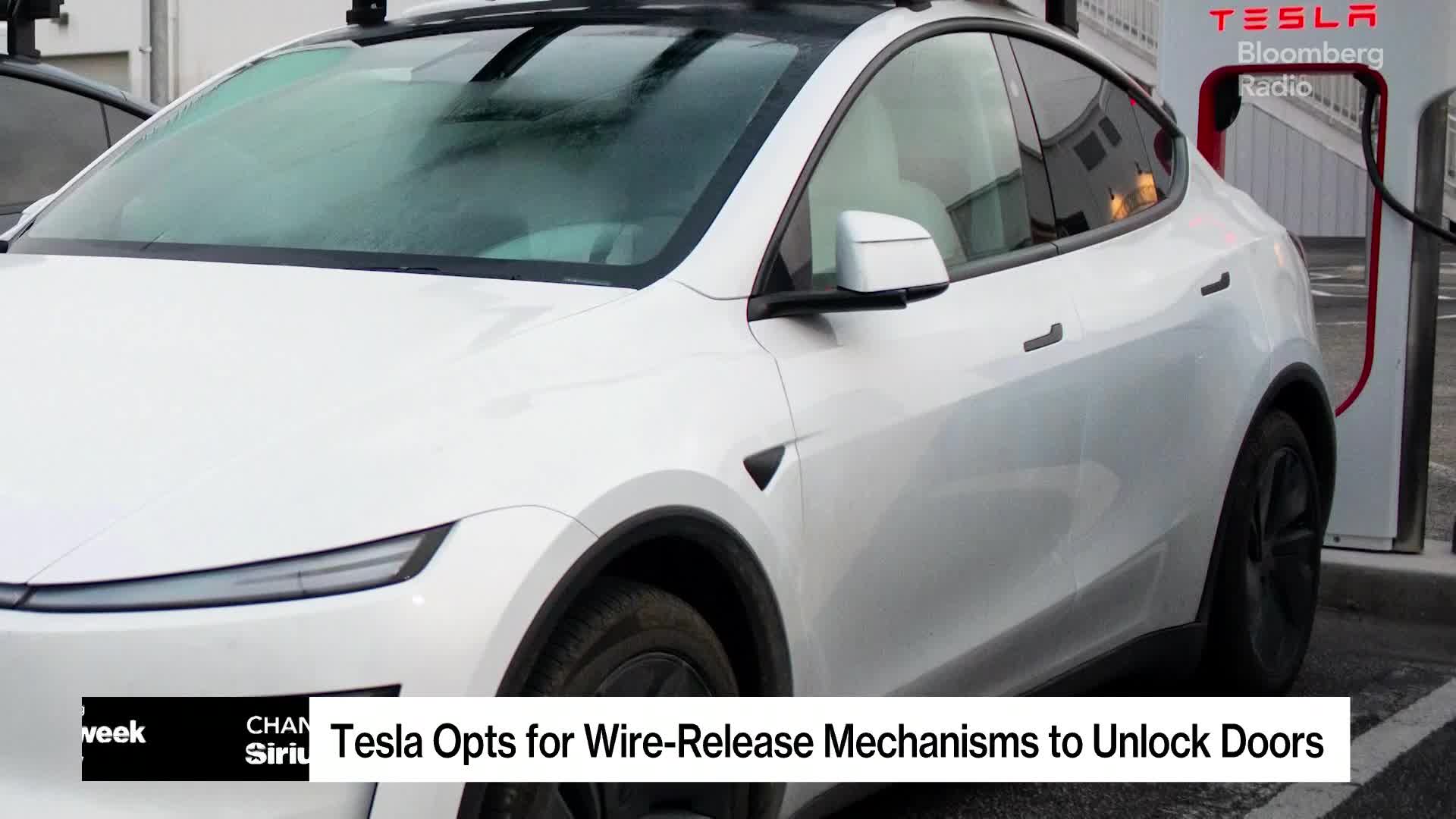
Despite strong government crash test performance, Tesla's design elements, including flush door handles and reliance on electrical power, are reportedly creating critical post-crash challenges for occupants and first responders. These features can turn post-crash moments into "deadly races against time," potentially undermining the company's perceived exceptional safety record and inviting further scrutiny.
Tesla's market valuation and brand identity are substantially built upon its reputation for innovative engineering and an exceptional safety record. However, this report highlights a critical disconnect between the company's high scores in controlled, government-administered crash tests and the practical challenges that arise in post-accident scenarios. Specific design features, notably the flush door handles and the vehicle's reliance on electrical power for essential functions like door releases, are identified as significant impediments for both occupants and first responders. This situation is described as turning post-crash moments into a "deadly race against time," directly challenging the core safety narrative that Tesla actively promotes. The strongly negative sentiment signal for the ticker (TSLA: -0.7) indicates that this is a material concern, representing a potential reputational and liability risk that could invite further regulatory scrutiny.
AI-powered research, real-time alerts, and portfolio analytics for institutional investors.
Request DemoOverall Sentiment
moderately negative
Sentiment Score
-0.50
Ticker Sentiment
