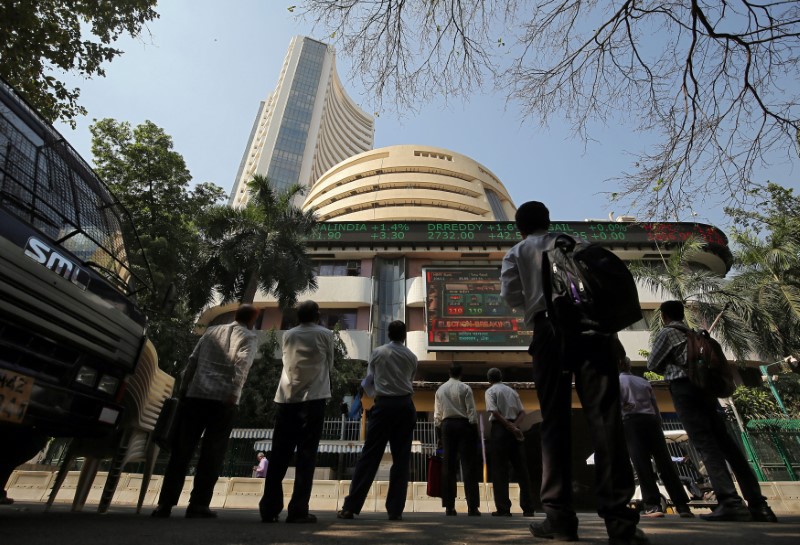
Indian stocks fell sharply, with the Nifty 50 down 1.2% and the Sensex down 1.4%, as Middle East conflict risks intensified and oil prices surged. Prime Minister Modi warned consumers to cut fuel, edible oil, and discretionary spending, underscoring inflation and growth risks from higher crude costs and possible supply disruptions through the Strait of Hormuz. The article also notes $5.2 billion in capital outflows from Indian equities in April and the Nifty 50's nearly 9% decline so far in 2026.
The market is starting to price a higher-for-longer geopolitics premium into every India-linked asset, but the second-order effect is not just “higher oil is bad for equities.” The more important channel is margin compression at the macro level: India’s current account, headline inflation, and rates path all become less benign simultaneously, which usually forces foreign allocators to reduce exposure before domestic earnings estimates fully roll over. That makes this more dangerous for cyclicals and consumer names than for the index level alone, because the earnings sensitivity is asymmetric when fuel and freight costs reprice faster than end-demand.
The most fragile part of the setup is the transmission from crude to policy. If authorities lean on fuel prices to cushion inflation, OMC balance sheets improve only at the expense of fiscal or consumer demand stress; if they pass through costs, inflation expectations rise and rate-sensitive sectors de-rate. Either path is negative for broad-market multiples over the next 1-3 months, while the risk of temporary relief rallies is high if crude pauses for even a few sessions—so this is a fade-the-rally, not a crash-only, trade.
For global sector dynamics, the hidden winners are upstream energy and shipping/security-related beneficiaries, but the more interesting trade is relative: India importers, airlines, autos, discretionary retail, and fertilizer-intensive agriculture all face worsening input economics. The contrarian angle is that the selloff in Indian equities may already be partially de-risked by prior outflows, so the next leg likely comes from earnings revisions rather than further multiple compression. That argues for positioning around fundamentally vulnerable names rather than blanket index shorts.
The other underappreciated risk is duration: Middle East supply disruptions can stay unresolved for months, but equity markets usually only need 2-6 weeks of sustained crude stress to reset consensus. If oil spikes again, watch for a forced policy response—price controls, tax changes, or strategic import diversification—which could create sharp, tradable rebounds in the most beaten-down local beneficiaries while keeping the broader market capped.
AI-powered research, real-time alerts, and portfolio analytics for institutional investors.
Request DemoOverall Sentiment
strongly negative
Sentiment Score
-0.68
Ticker Sentiment
