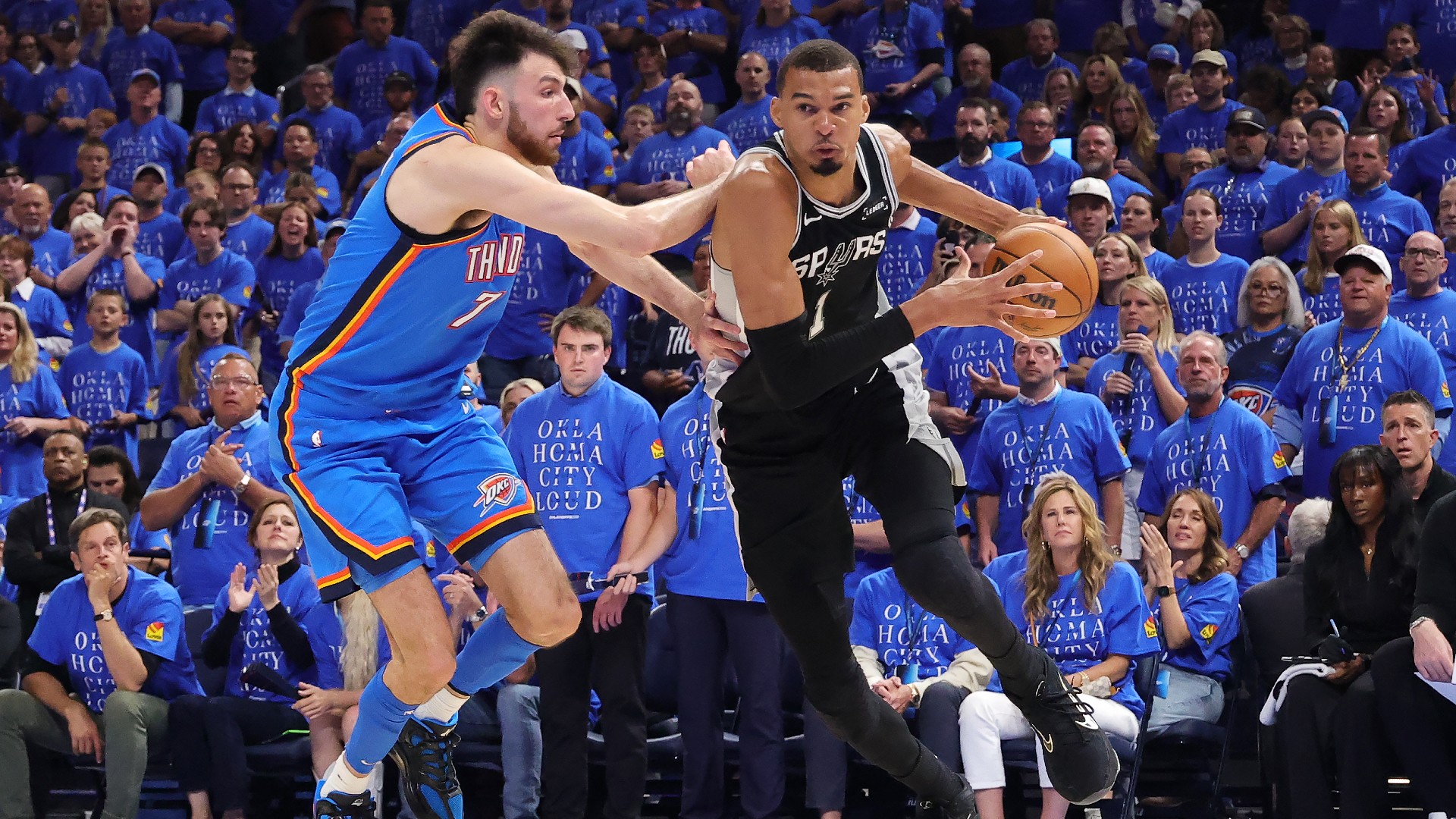
Game 1 of the Western Conference Finals drew 9.2 million viewers, the highest average for a Game 1 in Western Conference Finals history, while generating 1.3 billion social media views. The audience peaked at 12.0 million during the second overtime, and the game delivered a 2.3 million Average Minute Audience on NBC/Peacock, the most streamed NBC/Peacock NBA game ever. The article is positive for NBA media engagement and broadcaster viewership trends, but the broader market impact is limited.
This is less a one-off sports result than a proof point that marquee live events still command rare incremental attention in a fragmented media market. The key signal is not just reach, but intensity: the audience appears to be converting into a real-time communal moment, which is exactly what ad buyers, platform operators, and rights holders are chasing because it supports premium CPMs and stronger renewal leverage in upcoming media negotiations.
The second-order effect is that live sports scarcity gets more valuable relative to on-demand entertainment. If this level of engagement persists through the series, it strengthens the bargaining power of distributors and broadcasters with advertisers seeking scale, while also validating the economics of hybrid linear/streaming distribution. The beneficiary set is broader than the league: ad tech, measurement, and social commerce ecosystems can all see higher monetization per viewer when conversation and viewing are synchronized.
The risk is that this is front-loaded novelty. Game 1 hype can suppress mean reversion risk in media stocks if investors extrapolate a full series’ worth of lift from a single outlier; the more relevant horizon is 2-6 weeks, where repeat viewership and ad-delivery rates will determine whether this becomes a durable franchise uplift or just a headline spike. A cold Game 2 or lopsided series could quickly unwind the sentiment premium.
Contrarian take: the market may be over-crediting the platform wins and under-crediting the volatility of live-event economics. Record engagement does not automatically translate into operating profit unless pricing, ad load, and subscriber retention hold; if the audience is heavily promotional or concentrated in non-core demos, monetization may lag the view count. The better trade is on companies with direct ad-revenue leverage and demonstrated ability to convert live spikes into pricing power, not on generic media beta.
AI-powered research, real-time alerts, and portfolio analytics for institutional investors.
Request DemoOverall Sentiment
mildly positive
Sentiment Score
0.30
