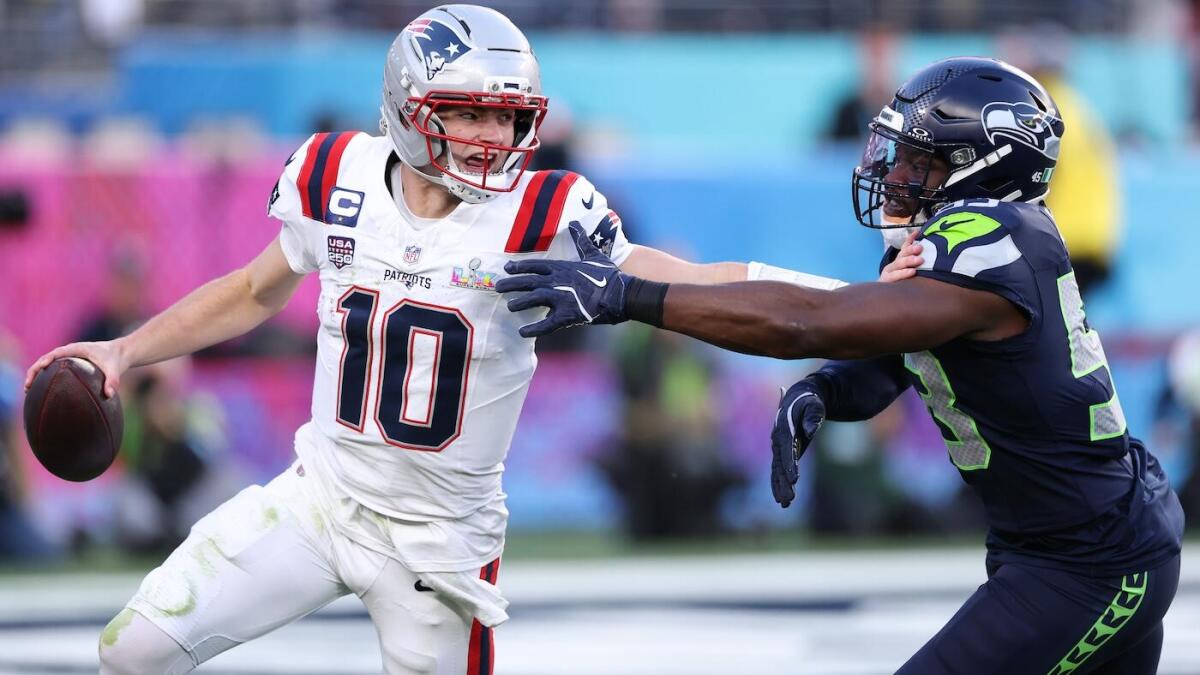
CBS Sports highlighted the 2026 NFL schedule’s key revenge matchups, led by Patriots at Seahawks in Week 1, plus several other rematches featuring former coaches and players. The article is a schedule preview with no financial, earnings, or policy developments and is unlikely to have meaningful market impact.
This is not a fundamental earnings catalyst, but it is a useful micro-signal for NFL media inventory and betting engagement. Revenge-game framing tends to lift early-season and late-season viewership because it creates a simple narrative hook for casual fans, which is exactly the kind of content that improves distribution value for marquee windows and can modestly improve ad pricing at the margin. The biggest beneficiary is the league’s broadcast ecosystem, not the teams: emotionally charged rematches increase the probability of national-window game selection, higher in-game betting handle, and stronger second-screen engagement.
The second-order effect is on content monetization quality rather than raw ratings. Games with a revenge angle usually convert better in social clips, pregame studio segments, and highlight packages, which helps platforms that own both live rights and shoulder programming monetize the same audience multiple times. If this schedule set produces even a small uplift in average minute audience in Weeks 1, 15, and 17, it matters disproportionately because those slots sit inside the highest-value ad inventory periods.
From a flow perspective, the article supports a short-dated optimism trade in sports-adjacent media, but the edge is likely incremental rather than durable. The market usually overestimates how much narrative alone can move long-term subscription or ad trends; the real catalyst is whether these games outperform baseline expectations in live viewership and betting engagement within the first two weeks of the season. If early results disappoint, the setup fades quickly because the thesis is event-driven, not structural.
The contrarian view is that this is mostly already embedded in NFL media demand, and the schedule release itself is a known seasonal spike. The more interesting angle is not the obvious rematches, but whether the league is increasingly optimizing for storylines that maximize fragmentation-era attention, which would reinforce pricing power for rights holders over the next 12-24 months.
AI-powered research, real-time alerts, and portfolio analytics for institutional investors.
Request DemoOverall Sentiment
neutral
Sentiment Score
0.05
