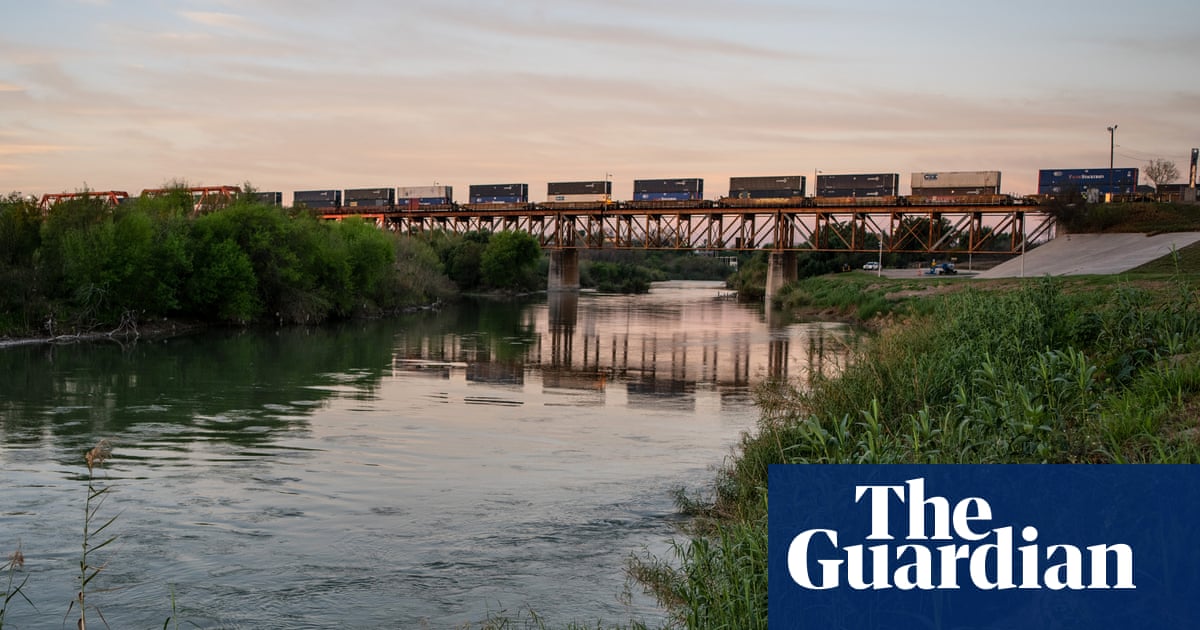
Six people were found dead inside a boxcar at a Union Pacific yard in Laredo, Texas, as temperatures rose above 90F (32C). Authorities are still investigating the cause of death, but the incident appears linked to border migration and cross-border rail traffic near the Mexico border. Union Pacific says it is cooperating with law enforcement; the event is tragic but likely limited in direct market impact.
This is less about a one-off humanitarian tragedy and more about a recurring operational chokepoint at the border: any increase in enforcement pressure tends to push trafficking into denser, riskier, and more visible transport corridors. That raises the probability of intermittent rail disruptions, surprise inspections, and reputational drag for the operator closest to the incident, even if direct legal liability stays limited. For UNP, the equity impact is likely to be a modest multiple headwind rather than an earnings event, but the bigger issue is that the story strengthens the case for elevated compliance costs and slower border-adjacent throughput over the next several quarters.
Second-order effects extend beyond Union Pacific. Freight customers with time-sensitive cross-border inventories may diversify away from rail routes that terminate near Laredo, which could favor intermodal alternatives, trucking, and ports with less political scrutiny. If inspectors respond with more frequent yard-level checks, the bottleneck is not just the train involved today; it can create queueing effects that spill into schedule reliability metrics and service scores, pressuring premium pricing power in the corridor.
The market may be underestimating the asymmetry here: the direct financial damage is small, but the downside tail includes a policy response that is hard to quantify and can persist for months. Any broader immigration crackdown or border-security initiative can amplify the operational burden for rail operators and logistics intermediaries, while a rapid de-escalation would require evidence that these incidents are isolated and that rail yards can self-police effectively. In the near term, the base case is headline churn, not fundamental deterioration, but that still matters for a company trading on reliability and network efficiency.
Contrarian angle: the knee-jerk short on UNP may be crowded and overdone if investors ignore that the railroad has strong pricing power and limited direct exposure to lost volume from one corridor. The cleaner trade is not to fade the entire railroad group, but to express a relative-value view on border-sensitive logistics versus carriers less exposed to enforcement headlines.
AI-powered research, real-time alerts, and portfolio analytics for institutional investors.
Request DemoOverall Sentiment
extremely negative
Sentiment Score
-0.85
Ticker Sentiment
