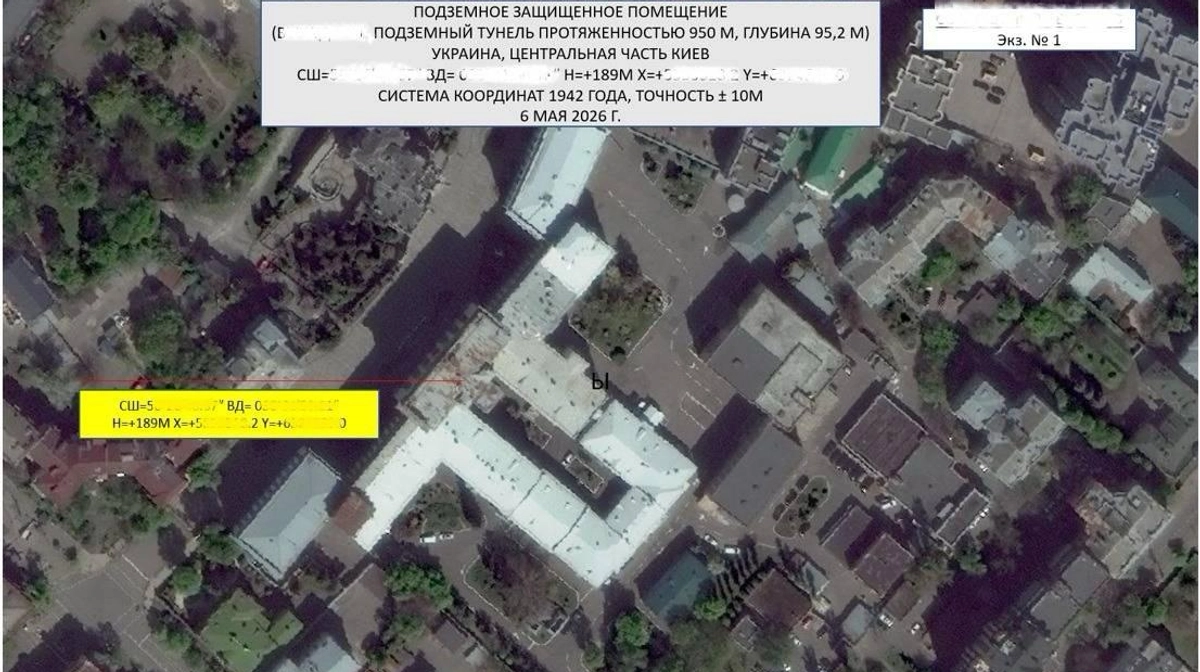
Ukraine says Russian intelligence documents indicate preparations for new missile and drone strikes, including against nearly two dozen political and military command centres in Kyiv, with satellite images allegedly showing the President's Office and protected facilities. The warning follows Russia's large-scale combined attacks on 13-14 May, when Zelenskyy said 1,567 drones and 56 missiles were launched. The article raises geopolitical escalation risk and underscores continued pressure on Ukraine's air-defense needs.
This raises the probability of a short-horizon escalation cycle, but the bigger market implication is not the headline risk itself—it is the pressure it puts on Ukraine’s air-defense consumption curve. When the attacker shifts toward command-and-control and symbolic targets, defenders are forced to keep high-end interceptors on alert around the clock, which can deplete Patriot/SAMP/T-like inventories faster than a purely front-line targeting mix. That creates a second-order support bid for Western replenishment budgets, but with a lag of months rather than days.
The immediate losers are the small set of Ukrainian domestic assets with visible government or telecom exposure, but those are not investable in public markets. For listed equities, the more relevant read-through is to European defense primes and munitions supply chains: every sustained salvo increases the odds of larger follow-on orders for interceptors, radar, and command systems. The key nuance is that this is less about a one-day headline spike and more about a budget-to-backlog translation over the next 1-2 quarters.
The contrarian point is that markets may already be pricing a high baseline of war intensity, so incremental strike threats may not move broad risk assets much unless they alter the pace of escalation or western policy. The real catalyst would be evidence of interceptor shortages, degraded command continuity, or Russian success against symbolic targets, because that would force allies into emergency replenishment and potentially tighter fiscal commitments. Absent that, the trade is more about buying defense on weakness than chasing the geopolitical headline.
From a tail-risk standpoint, the most important reversal variable is diplomatic de-escalation or a sudden increase in air-defense supply that blunts the operational effect of these strikes. That would compress the urgency premium in defense names. Conversely, any indication that Russia is broadening target sets beyond Ukraine into cross-border logistics or NATO-adjacent infrastructure would materially raise the probability of a longer-duration re-rating in European defense and cyber/security budgets.
AI-powered research, real-time alerts, and portfolio analytics for institutional investors.
Request DemoOverall Sentiment
moderately negative
Sentiment Score
-0.45
