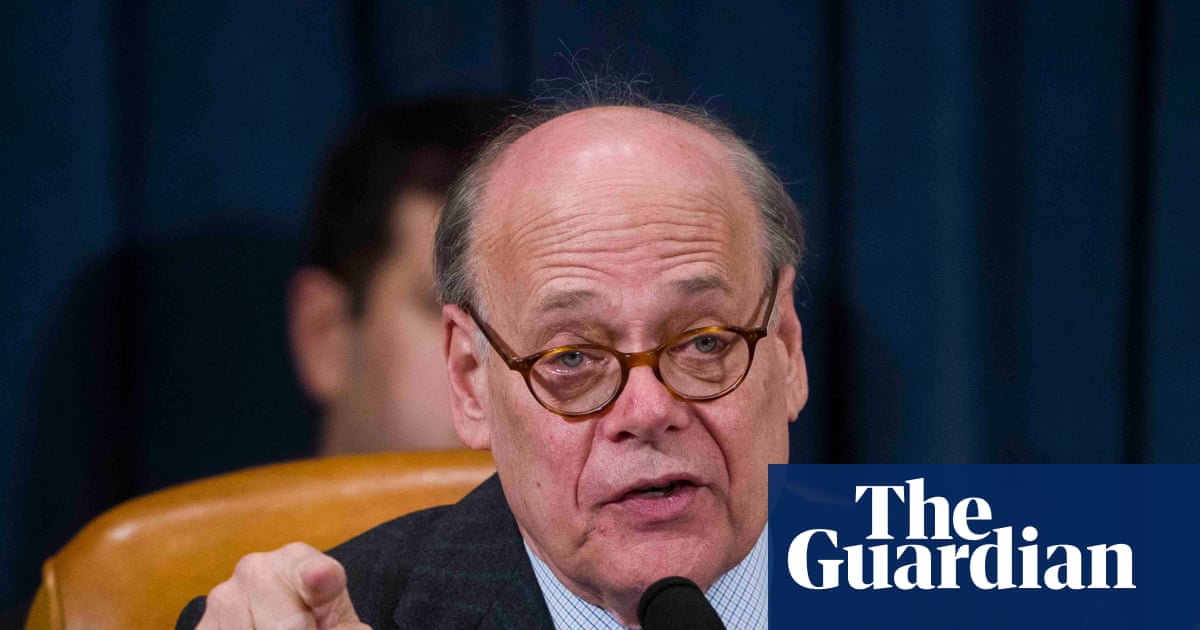
Steve Cohen said he is ending his re-election bid after Tennessee Republicans redrew his Memphis-based district to favor the GOP, though he may re-enter the race if his court challenge succeeds. The move could push Tennessee toward an all-Republican congressional delegation and further reduce Democratic influence in Washington. Cohen framed the redistricting as politically motivated and pledged to use his remaining time in Congress to oppose Trump.
The immediate market implication is not the resignation itself, but the widening probability that Tennessee’s delegation becomes structurally one-party, which raises the odds of more aggressive policy alignment with federal Republican priorities over the next 1-2 election cycles. That matters most for regulated assets tied to state appropriations, infrastructure, and public-sector contracting: a more reliable GOP lock on federal representation reduces the state’s leverage in Washington, potentially slowing discretionary funding flows into Memphis-area projects and weakening local lobbying power.
Second-order, the redistricting precedent is the real catalyst. If courts do not unwind the map, expect similar moves across the South to compress Democratic seats and increase the value of partisan redistricting as a policy tool; that creates a multi-state overhang for voting-rights litigation, election administration vendors, and any issuer whose municipal or infrastructure pipeline depends on congressional advocacy. The timeline is months for court outcomes, but the broader risk window extends into the next two election cycles because the incentive to litigate and retaliate only intensifies if one party sees the strategy working.
The contrarian read is that the market may be overestimating how cleanly redistricting converts into durable GOP control. Concentrating Black voters can also harden opposition turnout and raise the odds of costly legal defeats or a backlash narrative that energizes Democratic fundraising nationally. In other words, this is a political-gamma trade: near-term directional benefit for Republicans, but with a non-trivial chance that the move backfires by improving national Democratic mobilization and depressing moderate suburban turnout for the GOP in adjacent races.
For portfolios, the cleaner expression is to stay long election-friction beneficiaries rather than try to underwrite a single-seat outcome. The more tradable angle is volatility: court-driven map uncertainty should keep event-risk elevated in the South into fall, with sharp repricings on injunctions, appeals, or settlement rumors.
AI-powered research, real-time alerts, and portfolio analytics for institutional investors.
Request DemoOverall Sentiment
mildly negative
Sentiment Score
-0.20
