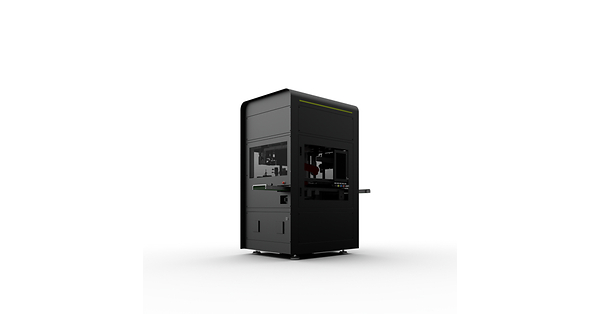
Apkudo launched its Robotic Standalone Automation (RSA) appliance, a zero-touch system for automated cosmetic and functional inspection of foldables, flip devices, and tablets without hardware reconfiguration. The unit is positioned to process up to 30 devices per hour and stream test data into Apkudo’s Device Passport platform, reducing manual grading subjectivity and reverse-logistics bottlenecks. The company cites 24% year-over-year growth in foldable shipments as demand drivers, with initial deployments underway among ecosystem partners.
This is less about a new gadget than about control of the condition-data layer in reverse logistics. Automation that removes human grading subjectivity tends to widen the gap between scaled operators that can amortize capex and fragmented buyers who still rely on manual inspection; over time that should compress secondary-market spreads while increasing realized value for the best-run programs.
The public-market beneficiaries are likely to be the picks-and-shovels around the workflow, not the private vendor itself. GXO and similar return-heavy logistics platforms can use this kind of automation to lift throughput and margin, while ZBRA-like machine-vision / scanning stacks capture the hardware layer; the likely loser is labor-intensive refurbishing capacity that competes on speed, not data fidelity. A second-order effect is that better grading can raise OEM trade-in residuals, which modestly supports upgrade cycles and shifts more value from opportunistic resellers to branded buyback programs.
The main risk is TAM inflation: foldables are growing fast, but the addressable base is still narrow and deployment economics only work if utilization stays high and exception rates fall. If this stays confined to a few premium workflows, it is a niche efficiency win rather than a sector inflection. The thesis is falsified if the next 1-2 quarters fail to show higher throughput, lower rework, or new deployments beyond the announced ecosystem customers.
AI-powered research, real-time alerts, and portfolio analytics for institutional investors.
Overall Sentiment
mildly positive
Sentiment Score
0.25
