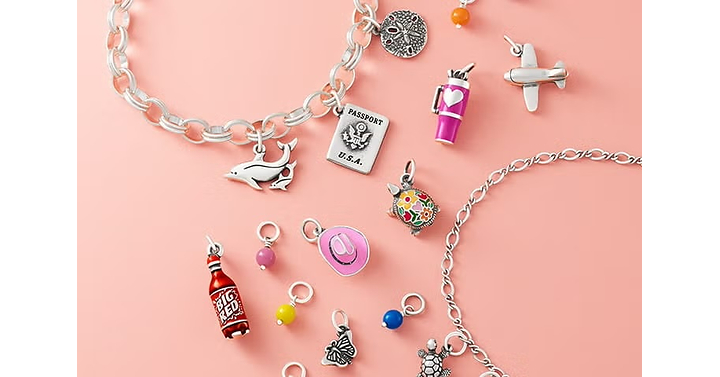
James Avery Artisan Jewelry launched its Summer 2026 collection of enamel charms, charm holders, rings, anklets, and necklaces, with the Charm Event starting July 6 and running through Aug. 3 (limited editions and special savings, while supplies last). The company highlighted new color-focused designs (e.g., Enamel Citrus Slice Charms in lime/orange/lemon) and coastal/vacation motifs (e.g., Classic Seahorse Charm). This is a consumer-focused product release with no disclosed financial impact or guidance changes.
This is a merchandising-led signal, not a fundamental step-change. The only real incremental economics are mix and basket: collectible, low-ticket pieces can improve turns and keep customers in the brand’s “repeat purchase” loop, but that matters only if the event converts into sustained sell-through rather than a one-off promotional spike. For public-market read-through, DDS is the only visible beneficiary, and even there the effect is likely too small to move quarterly comps unless the event lifts in-store attachment broadly across accessories.
The competitive angle is more interesting than the headline suggests. Charms and personalized jewelry are a defensive niche versus generic fashion jewelry because they create switching costs and repeat buying behavior; that pressures Pandora/Kendra Scott-style positioning more than mass retailers. If the limited-edition colors sell out quickly, the second-order benefit is better gross margin through lower markdown risk and better inventory productivity; if not, it just front-loads demand and can leave aging seasonal inventory into late Q3.
Over the next 1-3 months, the key catalyst is not the launch but post-event sell-through and any evidence of customer reactivation around gifting/travel. The contrarian read is that a press release like this often reflects planned calendar marketing rather than accelerating demand, so the market should not pay for it unless web traffic, store conversion, and average ticket confirm the story. What would falsify even a mild bullish read is flat-to-down traffic through August or any inventory build into back-to-school that forces markdowns later in the quarter.
AI-powered research, real-time alerts, and portfolio analytics for institutional investors.
Overall Sentiment
neutral
Sentiment Score
0.10
Ticker Sentiment
