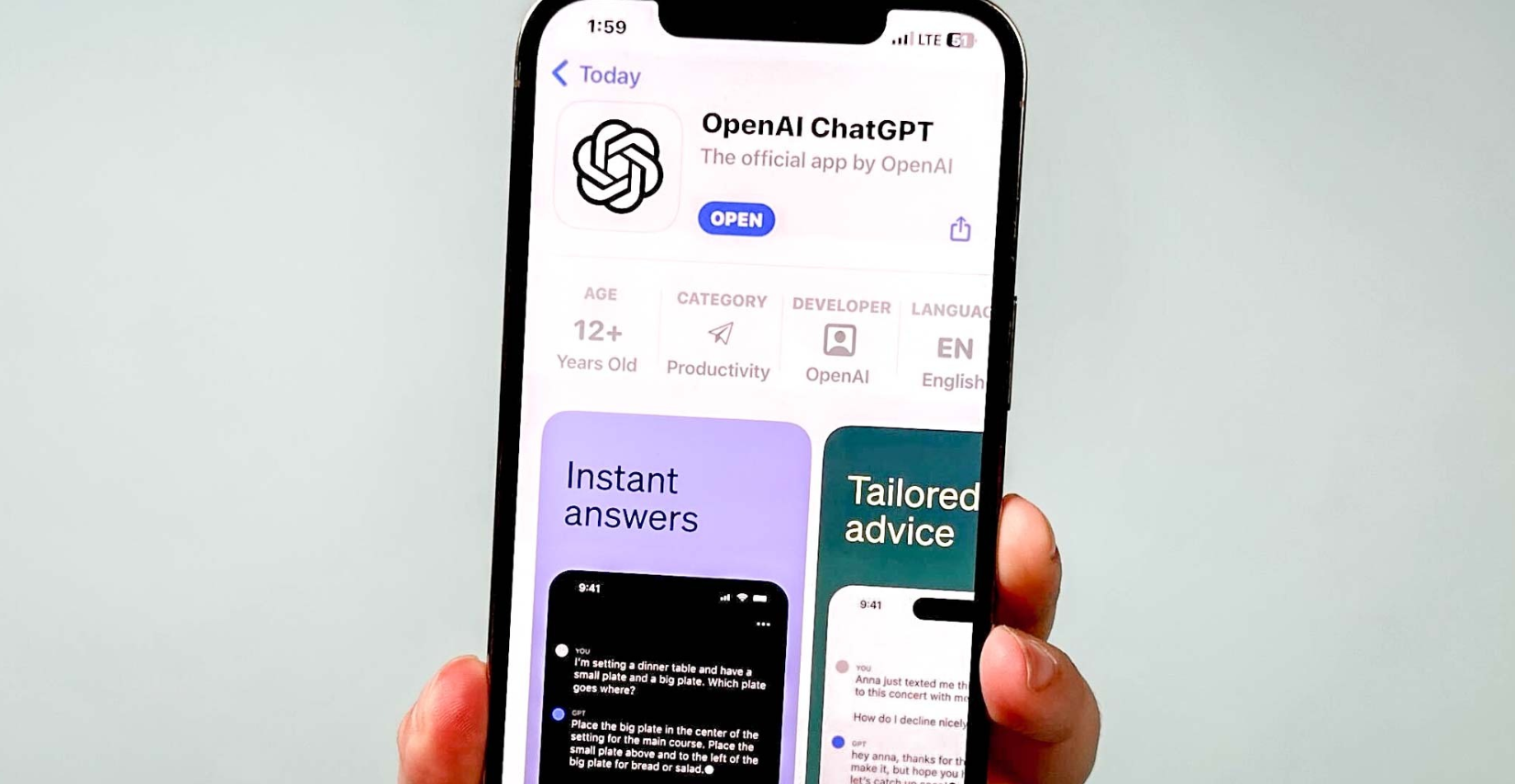
OpenAI is reportedly considering legal action against Apple over the ChatGPT-Siri integration, which it says failed to deliver the expected subscriber growth or deeper product placement. OpenAI had hoped the partnership would generate billions of dollars in annual subscription revenue, but the rollout has not come close to that outcome. The dispute adds legal and partnership risk for both companies, though OpenAI has not yet made a final decision on suing and still hopes to settle out of court.
The immediate market read is not about litigation risk; it is about bargaining power. If OpenAI is serious enough to threaten formal action, it signals the distribution economics of consumer AI are turning adversarial: platform owners will try to commoditize model access while model providers push for direct monetization. That is structurally negative for AAPL’s “AI-as-a-service via ecosystem” narrative because it suggests the Apple-installed base may be less monetize-able than bulls assume, especially if Siri becomes a routing layer to multiple models rather than a sticky OpenAI funnel.
The second-order issue is that Apple’s AI roadmap is starting to look like a procurement strategy, not a product moat. If Google’s Gemini becomes the default intelligence layer and Anthropic is also allowed in, Apple risks diluting the value of any single partner while still bearing the customer-experience blame when execution disappoints. That creates a classic platform squeeze: the partner absorbs the monetization gap, Apple absorbs the reputational gap, and the user sees no compelling reason to pay for one model inside an interchangeable wrapper.
Near term, the catalyst window is over the next 1-3 months as legal threats, WWDC disclosures, and partner commentary shape expectations into the next product cycle. The real risk to AAPL is not a lawsuit win/lose outcome; it is that this story reinforces a pattern of delayed, fragmented AI delivery, which can compress multiple expansion if the market concludes Apple is behind in the one area investors still assign strategic scarcity value. Conversely, any credible Siri relaunch with materially improved intent handling and clearer monetization mechanics would reverse sentiment quickly.
The contrarian view is that the headline may be over-discounted as a dispute between two private companies. Apple can survive partner friction better than most because it controls the device layer, and model partners may be overestimating how much conversion an embedded assistant can generate without a truly differentiated use case. That means the litigation overhang could be a distraction from the bigger question: whether AI on iPhone actually increases churn resistance and service ARPU enough to matter.
AI-powered research, real-time alerts, and portfolio analytics for institutional investors.
Request DemoOverall Sentiment
moderately negative
Sentiment Score
-0.30
Ticker Sentiment
