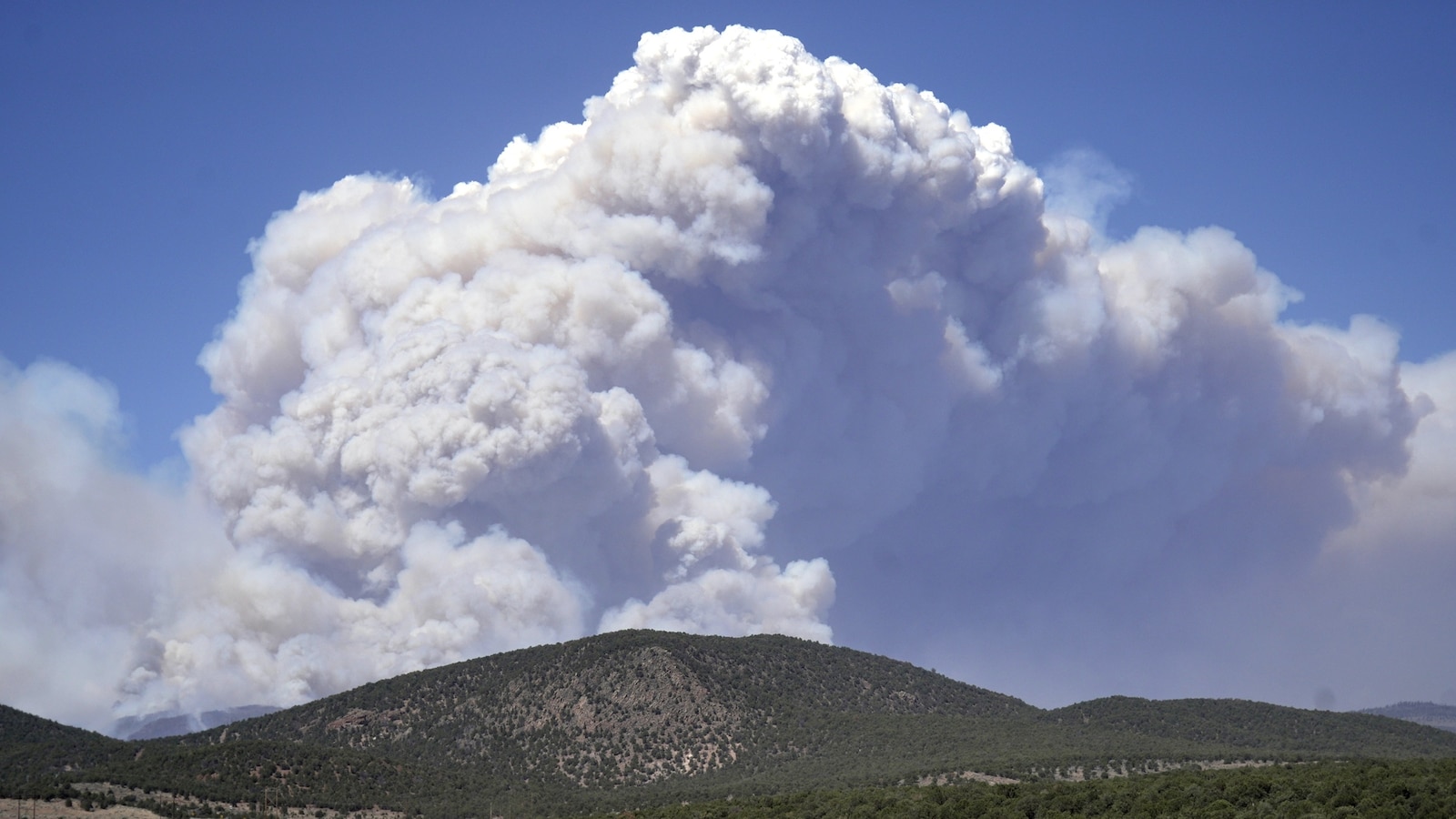
An extremely critical fire weather threat is forecast for the Four Corners region, with sustained winds of 25 to 35 mph, gusts up to 55 mph and humidity in the single digits, raising the risk of rapid wildfire growth. Existing fires in Utah include the 71,000+ acre Cottonwood Fire at 0% containment, the 40,000+ acre Iron Fire at 38% containment, and the 20,000-acre Cherry Fire at 0% containment. Separate flooding and severe storm threats are also in place across parts of the Midwest, South and Plains, while a broader Midwest heat wave is expected early next week.
The immediate market implication is not the fires themselves but the combination of simultaneity and geography: the same weather pattern that raises ignition risk also constrains restoration logistics, power-line maintenance, and inland freight reliability across the Intermountain West. That creates a broader operational drag on utilities, rail, trucking, and regional insurers even before any single incident becomes a headline loss event. The bigger second-order effect is that repeated extreme-dry/windy episodes can force insurers and reinsurers to reprice whole ZIP-code books faster than model updates, especially where exposure is concentrated in WUI corridors.
From a cross-asset lens, this is a localized inflationary shock in three channels: emergency suppression spend, incremental utility capex, and higher claims severity on property, business interruption, and contingent time-element covers. The underappreciated loser is the small-cap municipal and regional infra stack around the Four Corners, where a multi-day disruption can impair construction schedules, tourism receipts, and local tax collections, creating fiscal stress that is not captured in weather derivatives. On the energy side, the fire narrative is mildly bullish for gas-fired peakers and transmission-hardening vendors, but bearish for any utility with weak vegetation-management credibility or exposed rural feeder networks.
The contrarian point is that the market often over-discounts the first fire but under-discounts the persistence of elevated liability into the following renewal season. What matters for equity underperformance is not acreage burned today but whether this becomes a multi-week pattern that drives reserve strengthening, higher reinsurance attachment points, and capex reallocation away from growth projects. If cooler weather meaningfully reduces wind-driven spread over the next 5-7 days, the immediate headline risk fades, but the insurance reserve and regulatory overhang can last quarters.
AI-powered research, real-time alerts, and portfolio analytics for institutional investors.
Request DemoOverall Sentiment
moderately negative
Sentiment Score
-0.35
