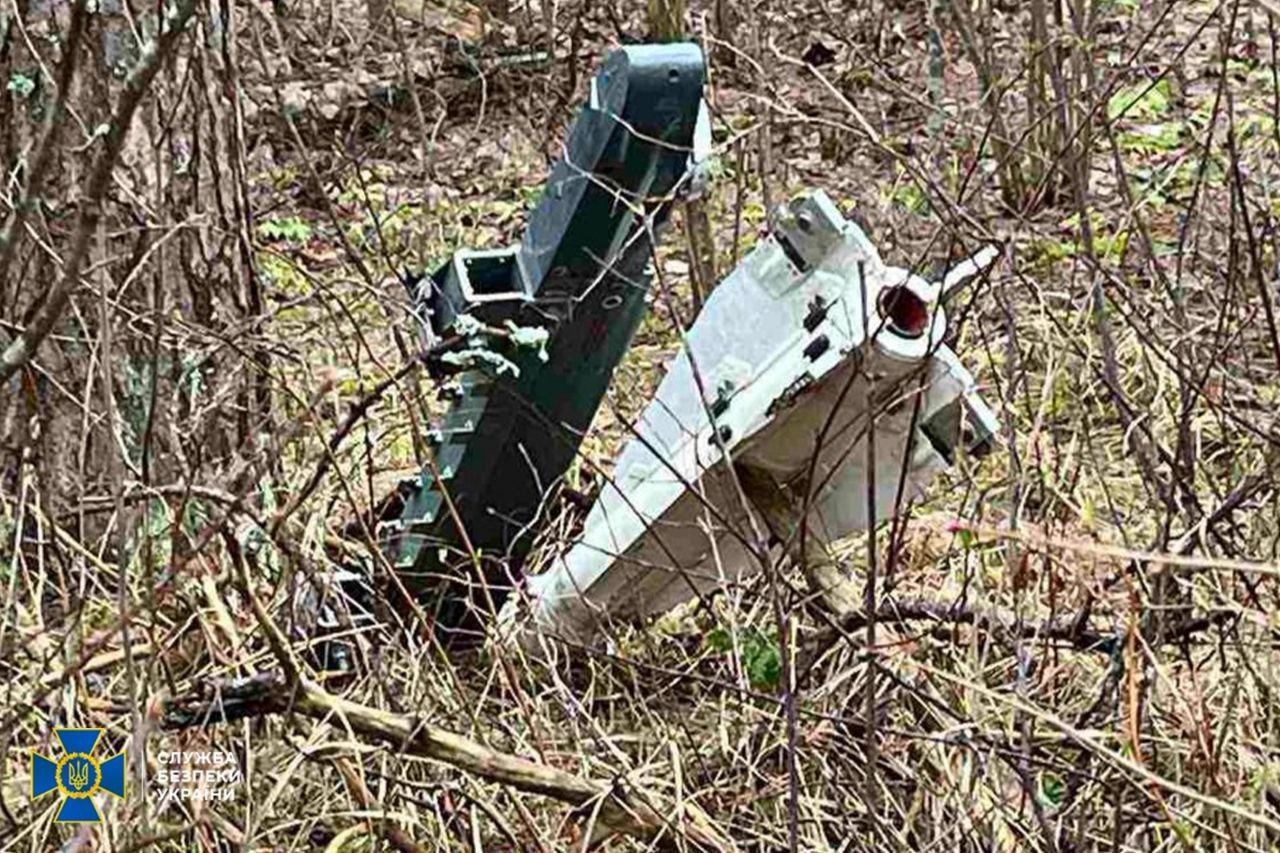
Ukraine’s SBU said Russian forces used an R-60 air-to-air missile with depleted uranium warheads in an attack on Chernihiv Oblast, with gamma radiation measured at 12 micro-Sieverts per hour. The missile warhead was secured and moved to radioactive waste storage, and officials warned that damaged munitions can release hazardous radioactive dust. The incident underscores escalating wartime risks and potential implications for defense and radioactive safety monitoring.
This is less about the immediate tactical damage and more about escalation in the inputs to attrition warfare: once radioactive contaminants enter the battlefield, cleanup, maintenance, and recovery costs rise nonlinearly. That disproportionately benefits firms and states positioned around detection, decontamination, remote handling, and protective equipment, while increasing operating friction for any platform that needs to recover downed assets near the front. The bigger second-order effect is on tempo: every added hazard slows sortie generation, search-and-recovery, and ground maneuver in contested zones.
The legal overlay matters because war-crime framing expands the audience from military planners to regulators, insurers, and NGOs, which can harden procurement and sanctions attitudes over the next 1-3 months. Even if the military utility of the munitions is limited, the reputational cost can be material for suppliers, transport intermediaries, and dual-use component channels. Expect more scrutiny of drone subsystems, warhead materials, and radiation-adjacent logistics, which can create bottlenecks for otherwise ordinary defense supply chains.
The contrarian angle is that markets often overreact to headline contamination risk while underpricing the persistence of the operational response. The true tradable impact is not a one-day shock but a multi-quarter spend cycle: counter-UAS, battlefield sensing, protective gear, waste handling, and hardened infrastructure. If this escalates into a pattern rather than an isolated incident, defense-budget priorities should tilt toward survivability and detection rather than only munitions volume.
AI-powered research, real-time alerts, and portfolio analytics for institutional investors.
Request DemoOverall Sentiment
strongly negative
Sentiment Score
-0.70
