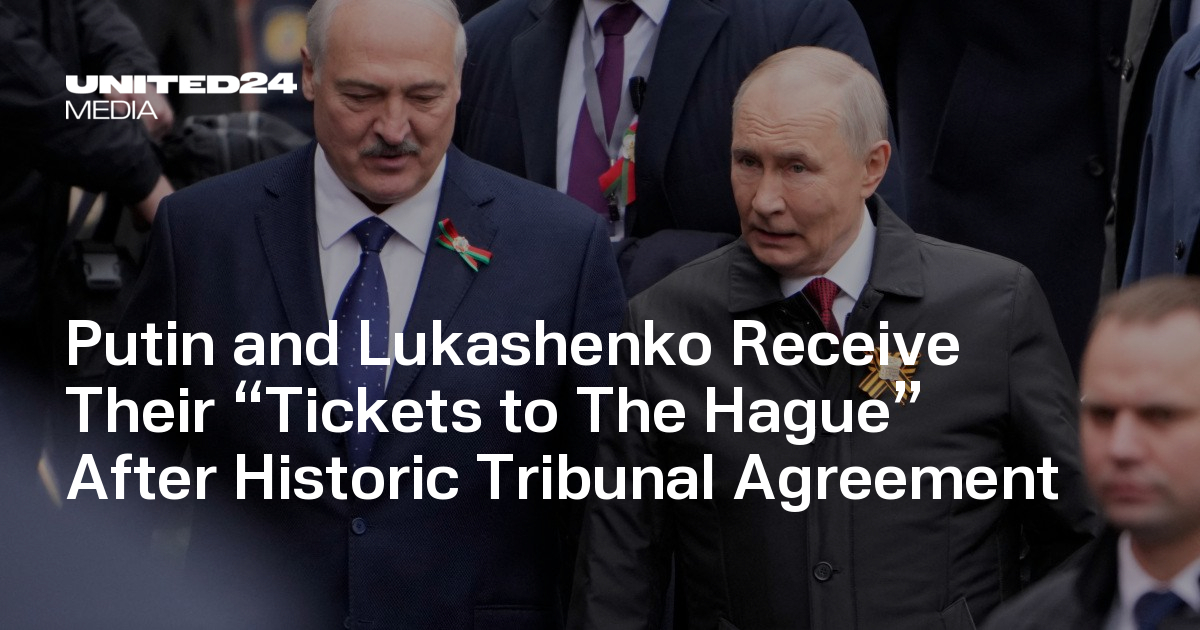
Ukraine and the Council of Europe have advanced a Special Tribunal for the crime of aggression against Russia, which Foreign Minister Andrii Sybiha called a "point of no return". The tribunal framework is now moving into implementation, with the EU committing to join the Enlarged Partial Agreement and support its Steering Committee. The article also highlights continued escalation in the war, including a large-scale Russian missile and drone attack on Kyiv and claims of more than 1,560 drones launched since midnight.
The tribunal move is more important as a signaling instrument than as a near-term legal event. It hardens the West’s multi-year commitment to institutionalize Russia risk, which raises the probability of a longer sanctions regime, tighter enforcement, and fewer backchannel off-ramps even if battlefield dynamics soften. That is incrementally bearish for any asset or trade predicated on a rapid normalization of European energy, freight, or industrial input costs.
Second-order winners are the physical and financial enablers of European rearmament and border security, not the tribunal itself. Expect a slow but persistent reallocation of fiscal capacity toward air defense, munitions, EW, drone countermeasures, and infrastructure hardening; those orders are usually stickier and less cyclical than headline-driven aid flows. The legal framework also increases personal and sovereign reputational risk for actors adjacent to Moscow, which can deepen correspondent banking frictions and raise transaction costs across Eurasian trade routes.
The biggest market risk is that the announcement is mistaken for de-escalation because it is “legal” rather than kinetic. In reality, the near-term tail is the opposite: more symbolic escalation can invite more asymmetric retaliation, cyber activity, and infrastructure targeting over the next days to weeks. Over months, the tribunal is a low-probability catalyst for negotiated compromise, but a high-probability catalyst for a longer war premium in European defense and security spending.
Consensus likely underestimates how slowly these tribunals matter for markets and overestimates how quickly they constrain Moscow. The more actionable read is that institutionalization of accountability reduces the odds of a sanctions unwind and makes Russian-risk assets cheaper for longer, while keeping European defense budgets structurally elevated. If there is any overdone reaction, it is in assuming headline fatigue means the event is irrelevant; the second-order budget and risk-premium effects compound quietly.
AI-powered research, real-time alerts, and portfolio analytics for institutional investors.
Request DemoOverall Sentiment
neutral
Sentiment Score
-0.10
