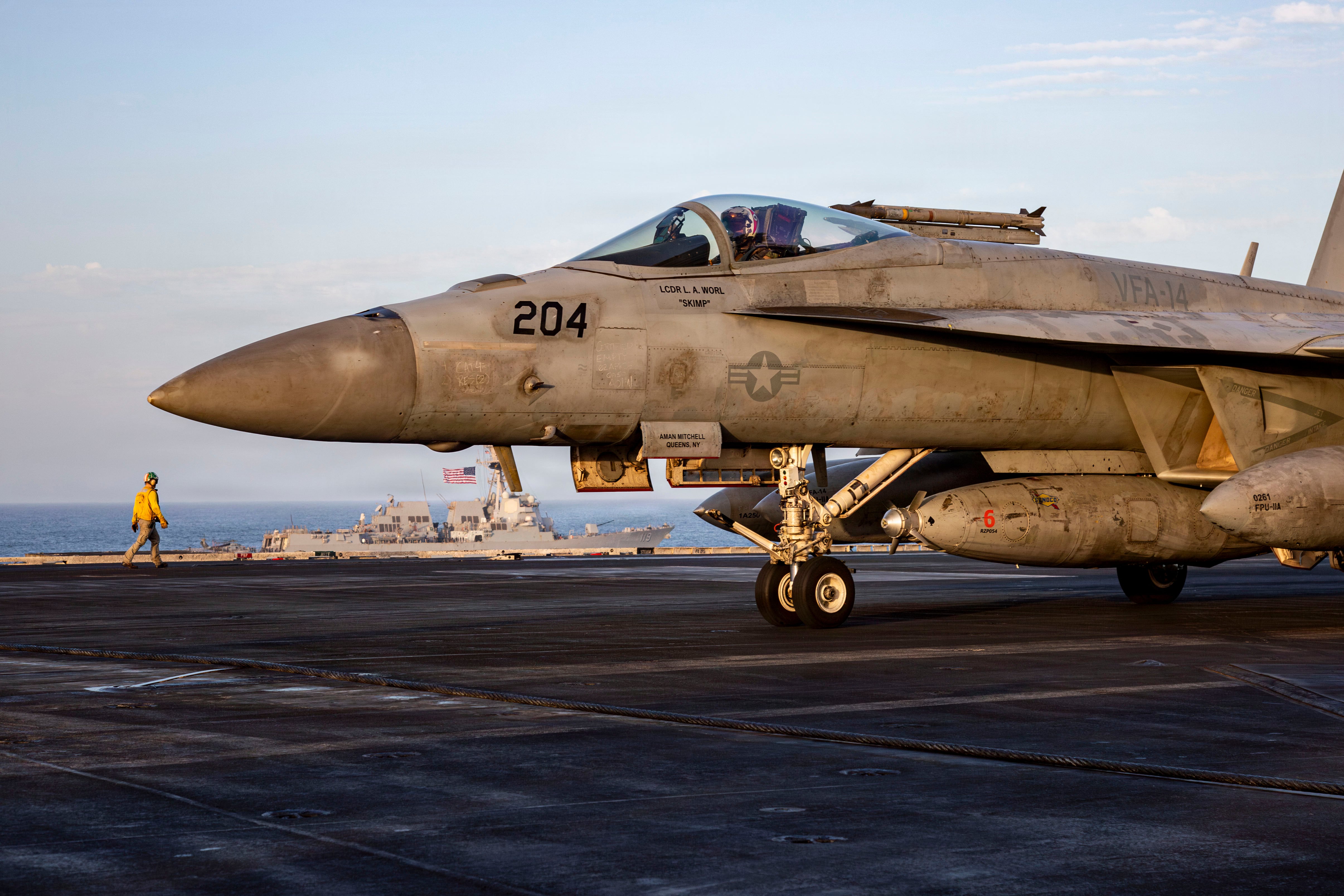
Balikatan 2026 featured a two-day live-fire maritime strike drill in which U.S., Philippine, Japanese and Canadian forces sank two decommissioned Philippine Navy ships off western Northern Luzon. The exercise used missiles, rockets, aircraft, unmanned systems and naval assets to demonstrate combined readiness and interoperability. The article is largely factual and points to continued allied defense coordination in the Indo-Pacific.
This is less a one-off demonstration than a validation event for a distributed kill chain in a constrained theater. The real signal is that allied forces are rehearsing sensor-to-shooter integration across air, sea, and land with systems that are already fielded, which shortens the path from peacetime exercise to wartime execution. That favors contractors with mature C4ISR, anti-ship, air-defense, and unmanned integration exposure more than pure platform builders, because interoperability is now the bottleneck and the funding priority.
The second-order effect is regional procurement acceleration. Smaller Indo-Pacific militaries will likely see this as a proof point for layered coastal defense, mobile fires, and anti-ship missiles rather than blue-water fleet expansion, pushing budgets toward relatively cheaper asymmetric systems, munitions stockpiles, and networked targeting architecture over the next 6-18 months. That can pressure legacy shipyard-heavy narratives while benefiting firms tied to missile magazines, sensors, comms, and expeditionary air defense.
The main risk is that exercises like this are politically useful but operationally ambiguous: they can raise deterrence without meaningfully changing near-term force balances. A de-escalation track between Washington and Beijing would reduce the urgency premium quickly, but the reverse catalyst is another Taiwan Strait or South China Sea incident, which would convert this from signaling to procurement catalyst within weeks. In that regime, the market usually underprices recurring munitions demand and sustainment revenue versus headline platform sales.
Contrarian view: the consensus may be overfocused on larger defense primes and underestimating mid-cap enablers with Pacific-specific content. The best asymmetry is in companies with exposure to missiles, targeting, and electronic integration, where incremental allied spending can re-rate multiples faster than annual revenue growth alone would imply.
AI-powered research, real-time alerts, and portfolio analytics for institutional investors.
Request DemoOverall Sentiment
neutral
Sentiment Score
0.10
