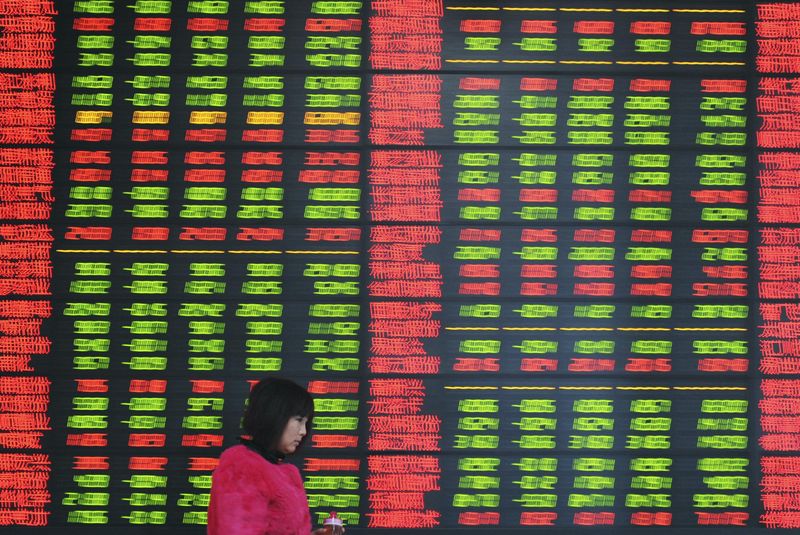
Asian equities mostly fell, led by South Korea’s KOSPI down 3.5% as chipmakers sold off after a U.S. trade official said chip export controls were not discussed in detail and doubts resurfaced over broader sales to China. NVIDIA-linked optimism faded despite reports it could sell H200 chips to 10 Chinese companies, while Japan’s Nikkei 225 slipped 1.6% after producer price inflation in April came in above estimates, raising the chance of a BoJ hike. Chinese benchmarks held near multi-year highs as markets awaited more details from the Trump-Xi summit.
The market is mispricing the asymmetry between headline authorization and actual revenue realization. Even if limited H200 access persists, China demand is likely to be rationed through intermediaries, cloud partners, and non-China end markets, which means the first-order revenue benefit to NVDA may be modest while the second-order signal to the ecosystem is more important: any relaxation of export frictions mechanically lifts confidence in advanced GPU supply and compresses the scarcity premium embedded in non-U.S. AI hardware names. That is bearish for peer multiples across the semiconductor complex if investors conclude policy is becoming more negotiable than previously assumed.
The bigger near-term loser is not NVDA but the Asia supply chain leveraged to a China re-acceleration narrative. Korea and Japan chip equipment/ memory equities are vulnerable because the market had been leaning into a cyclical upswing powered by China ordering activity; a clarifying statement that export controls were not part of talks can quickly unwind that beta. If the summit produces no explicit chip concession, the trade likely flips from “policy easing” to “nothing changed,” which is typically enough to take 5-10% off the most crowded semi trades in days, especially after a record-high U.S. tape.
BA is a quieter beneficiary if Trump can turn trade optics into a purchase commitment narrative. A China Boeing order would matter less for immediate backlog and more for signaling that Beijing is willing to use large-ticket industrial imports as a bargaining chip; that supports the stock in the low 2-3 week window, but the upside is capped unless financing and delivery cadence improve. The contrarian view is that the rally in U.S. semis may already discount a best-case diplomatic outcome, while the real edge sits in fading the parts of Asia that are most sensitive to incremental disappointment.
Japan’s hotter inflation print adds an important cross-asset layer: if BOJ tightening odds rise, it strengthens JPY and can further pressure exporters just as trade policy uncertainty hits semis. That combination argues for staying defensive on Asia cyclicals until the summit outcome is explicit. The move is likely overdone in the short run for the most rate-sensitive Japanese names, but underdone in the sense that export-control headlines can still reset medium-duration positioning in AI infrastructure.
AI-powered research, real-time alerts, and portfolio analytics for institutional investors.
Request DemoOverall Sentiment
mildly negative
Sentiment Score
-0.25
Ticker Sentiment
