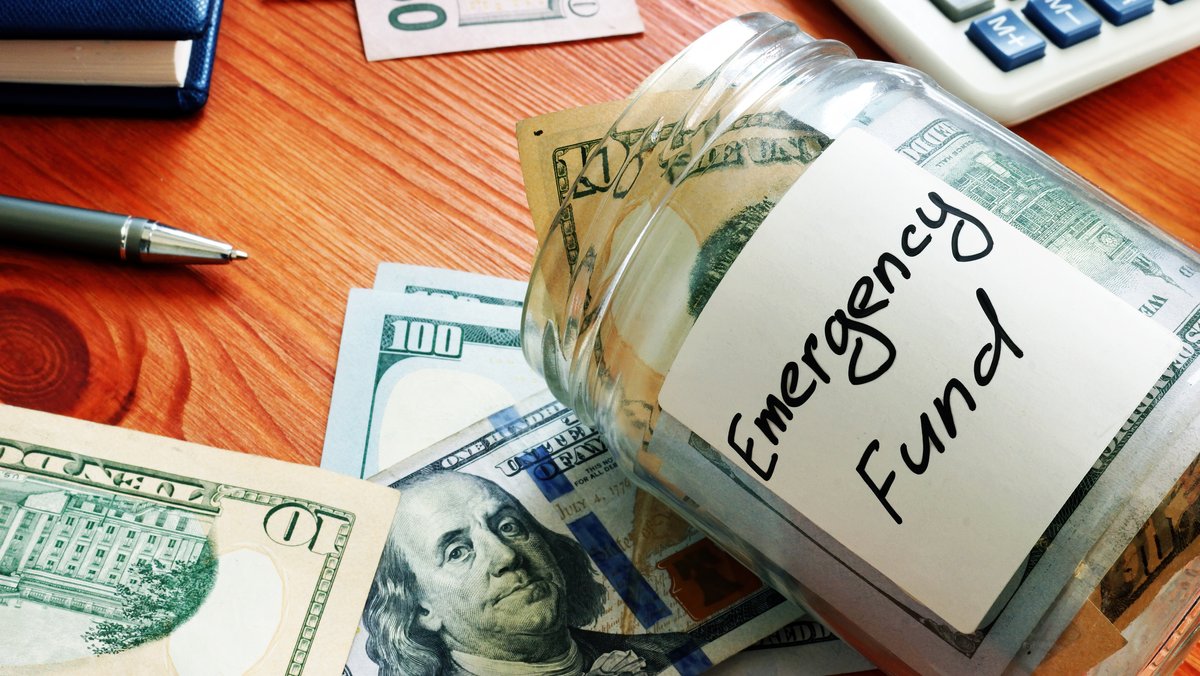
The article recommends Happen Bank LevelUp Savings for an emergency fund, highlighting a 4.00% APY (3.00% without $250+ monthly deposits) and FDIC insurance up to $250,000. It contrasts this with the average savings account at 0.38% APY (about $38/year on a $10,000 balance), and notes liquidity features like ATM access and ACH transfers. Overall, it’s a consumer-focused yield comparison with limited direct market impact.
This is not a direct catalyst for equities, but it is a useful read-through on retail cash behavior and bank funding pressure. When consumers are pushed to shop for 3%–4% cash yields, deposit betas stay sticky even if policy rates stop moving, which keeps pressure on regional bank net interest margins and on brokerage sweep balances. The beneficiaries are digital-first deposit gatherers with low operating cost; the losers are branch-heavy franchises that rely on inertia in checking and savings balances.
The immediate market impact should be negligible, but the 1–3 month setup is around bank earnings guidance. If average interest-bearing deposit costs keep rising while loan yields lag, KRE-type regional exposures can re-rate lower even without a Fed move. The 6–18 month angle is that high-yield cash products remain a substitute for low-risk money-market behavior, which keeps consumer cash allocation away from spending and toward balance-sheet optimization.
Contrarian view: this kind of advice usually reflects a late-stage rate-shopping mindset, not a new structural shift. If rate cuts arrive over the next 6–12 months, HYSA APYs will compress quickly, which could free up some marginal consumer cash flow and modestly help discretionary names like GAP. But that is a slow-burn effect, not a tradable near-term thesis unless deposit competition unexpectedly intensifies further.
AI-powered research, real-time alerts, and portfolio analytics for institutional investors.
Overall Sentiment
mildly positive
Sentiment Score
0.15
Ticker Sentiment
