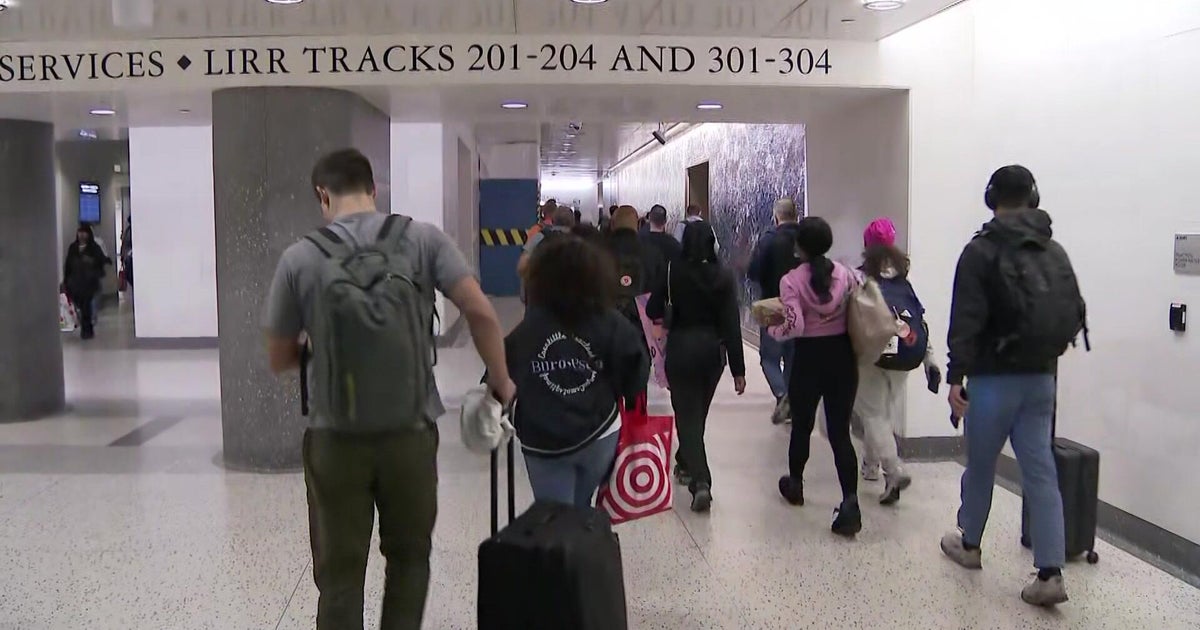
Long Island Rail Road service remains severely disrupted after a track fire in the East River Tunnel halted Penn Station operations Thursday, forcing riders to Grand Central Madison or Atlantic Terminal. NJ Transit Midtown Direct is also being diverted to Hoboken Terminal, with tickets cross-honored on buses and PATH. Amtrak said repairs are ongoing with no estimate for when normal service will resume, and the cause of the fire remains under investigation.
The immediate market read is not on rail operators so much as on congestion externalities: every additional passenger diverted into Grand Central or Hoboken raises the value of system elasticity. PATH is a modest beneficiary at the margin because it becomes part of the overflow valve for displaced commuters, but the bigger second-order effect is operational strain on all substitute corridors, which tends to depress service reliability before it shows up in ridership data. In the near term, that means a temporary demand uplift can coexist with worse on-time performance and customer dissatisfaction, limiting how much of the volume actually monetizes.
The more interesting catalyst is duration. A disruption measured in days supports only a small usage bump; a disruption that stretches into weeks can change commuter habits, especially for riders with flexible schedules who start anchoring on permanent alternates. That creates an asymmetric setup for PATH and regional transit infrastructure exposure, while pressuring any publicly traded consumer-facing businesses with heavy commuter reliance in Midtown because labor arrival times and foot traffic get noisier at the margin. If Penn access normalizes quickly, the trade fades fast; if repairs or labor actions extend the window, the rerouting effect compounds.
Consensus likely overstates the direct economic damage and understates the price of optionality. These events rarely move revenue in a clean line, but they do accelerate decision-making around route substitution, ticket cross-honor behavior, and mode switching. The key is that once riders build new habits, some fraction of lost Penn traffic does not fully return, which is where the longer-duration bullish case for PATH becomes more interesting than the headline suggests.
AI-powered research, real-time alerts, and portfolio analytics for institutional investors.
Request DemoOverall Sentiment
mildly negative
Sentiment Score
-0.35
Ticker Sentiment
