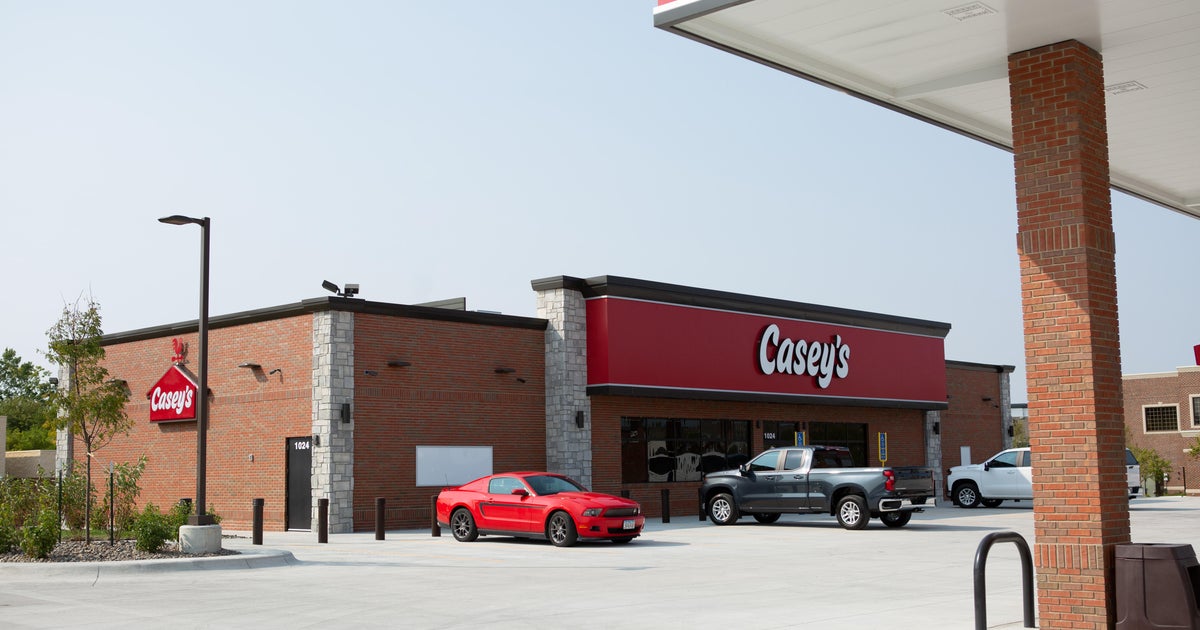
U.S. gasoline prices have risen more than $1.50 per gallon since the war with Iran began, with the national average now around $4.50 versus just below $3 before the conflict. The EIA forecasts retail gas prices averaging $3.88 per gallon for the rest of the year and $3.62 in 2027. Higher fuel costs are pressuring consumers, but convenience chain Casey's says its lower-priced fuel and private-label snacks are benefiting from the trade-down.
Higher fuel costs act like a tax on discretionary spend, but the second-order effect is a repricing of value in convenience retail rather than a uniform consumer pullback. CASY is better positioned than most peers because its rural/small-town footprint and lower-ticket mix make it a natural beneficiary when households trade down from branded snacks and longer drive patterns push more fill-up-driven traffic. The key nuance is that this is not just a same-store-sales story; it is a basket-mix and frequency story that can support margin resilience even if overall consumer sentiment deteriorates.
The market may be underestimating how sticky this benefit can be over the next 1-2 quarters if gasoline remains elevated. Convenience stores near commuting and regional travel corridors often see disproportionate traffic gains as consumers optimize trips, and that can create operating leverage in labor and fixed occupancy. The risk is that input inflation for packaged goods and wage pressure can lag the top-line lift, so the near-term earnings upgrade is more about traffic and mix than durable gross-margin expansion.
From a broader portfolio lens, sustained high gas prices are a headwind for low-end discretionary retail, delivery-dependent businesses, and auto-heavy consumer segments, while supporting localized value propositions. The biggest reversal catalyst is a fast de-escalation in Middle East risk or a policy-driven move lower in crude and refined products, which would compress the traffic tailwind quickly. If prices stay elevated through summer, the earnings revisions cycle should favor operators with fuel adjacency and private-label penetration, not just the obvious integrated energy names.
AI-powered research, real-time alerts, and portfolio analytics for institutional investors.
Overall Sentiment
mildly negative
Sentiment Score
-0.15
Ticker Sentiment
