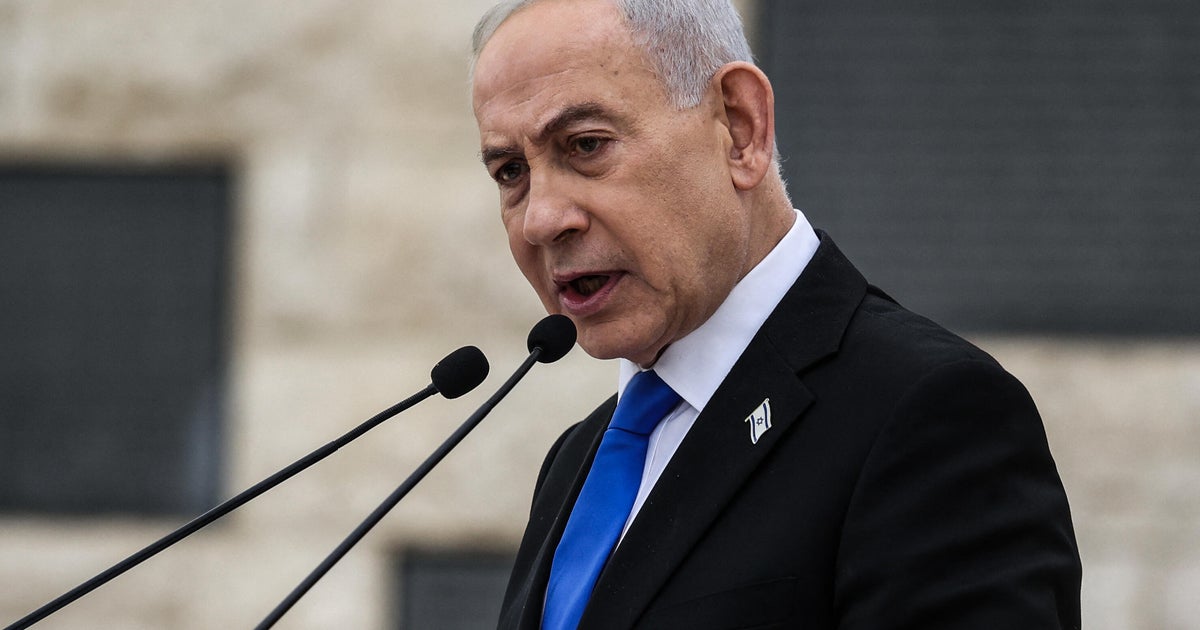
Israel intercepted the final flotilla boatbound for Gaza and detained approximately 430 activists, while Prime Minister Netanyahu publicly rebuked National Security Minister Ben-Gvir for videos showing degrading treatment of detainees. Italy and France summoned Israeli ambassadors after calling the conduct unacceptable, and Israel denied firing live ammunition, saying only nonlethal warning measures were used. The episode adds diplomatic friction around the Gaza blockade and could increase geopolitical risk sentiment.
This is less about the flotilla itself than the internal discipline signal it sends. Netanyahu’s public correction of a coalition hardliner is a marginally bullish read for institutions: it implies the PM is trying to contain reputational spillover to preserve external financing, military cooperation, and tourism confidence. The second-order trade here is not Gaza logistics but the probability of a widening diplomatic cost curve that could leak into European policy responses, university/municipal boycotts, and slower inbound travel bookings over the next 1-3 months.
The immediate losers are ministries and agencies tied to Israel’s external image, but the market-relevant loser could be any asset class sensitive to headline risk rather than fundamentals: Israeli airlines, hotel operators, and domestically exposed consumer names. A more important medium-term effect is that repeated public friction between Netanyahu and Ben-Gvir raises the odds of coalition instability or pre-election signaling, which can widen sovereign CDS and keep the shekel under pressure even without any material military escalation. That creates a regime where every tactical escalation carries a larger currency and funding discount than the underlying event would justify.
The contrarian angle is that the market may overestimate policy change from this rebuke. Netanyahu has strong incentives to occasionally distance himself from Ben-Gvir for external consumption while still relying on the far-right base domestically, so the headline may reduce immediate diplomatic noise without meaningfully altering operational behavior. If that’s right, the correct trade is to fade any short-lived relief rally in Israeli risk assets rather than chase it.
Tail risk over days is a further viral clip or detainee-treatment allegation that forces additional European summons/sanctions rhetoric. Over months, the risk is that these optics accumulate into a broader funding and tourism penalty, especially if the war drags on and coalition politics remain unstable.
AI-powered research, real-time alerts, and portfolio analytics for institutional investors.
Request DemoOverall Sentiment
mildly negative
Sentiment Score
-0.35
