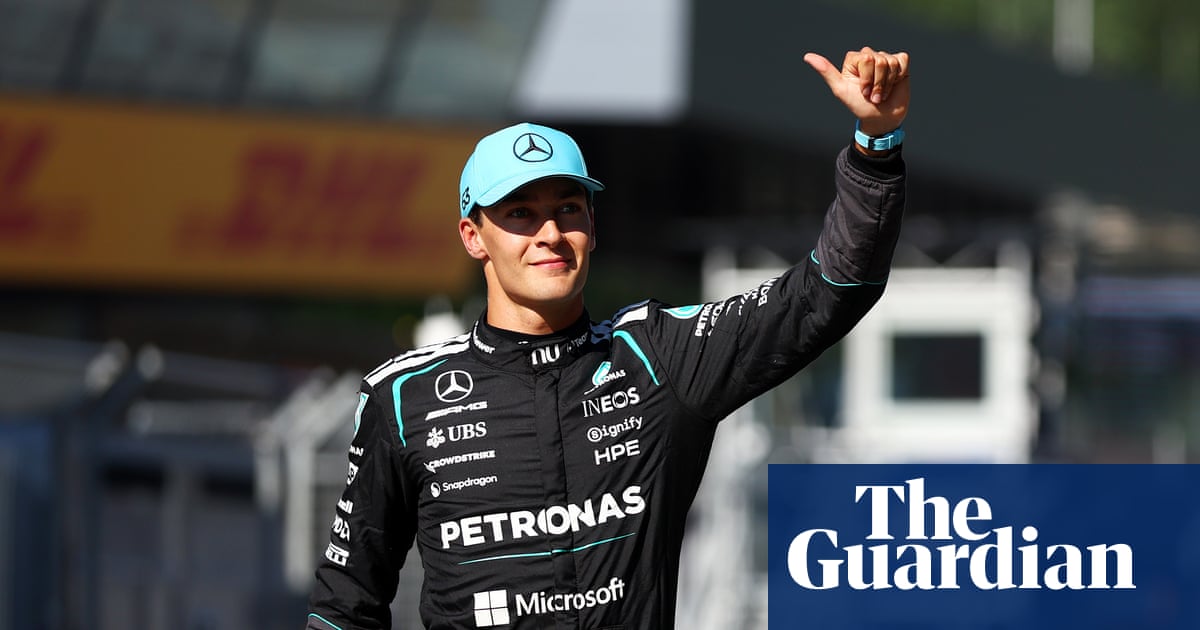
George Russell took pole for the Austrian Grand Prix, delivering his fourth GP pole of the season after a decisive 100m lift under single yellow flags that stewards reviewed but did not penalize. He beat Charles Leclerc and Lewis Hamilton by about two-tenths, while Kimi Antonelli finished fourth after aborting his lap and Max Verstappen will start fifth after crashing late in qualifying. The result is a positive performance headline for Mercedes, but it is race-specific and likely limited in broader market impact.
Mercedes’ one-lap edge matters less as a headline than as a signal that their tire prep, low-fuel execution, and operational calm are translating into points conversion at a track where clean air is unusually valuable. The immediate beneficiary is not just Russell’s result, but the team’s ability to keep flexing strategic leverage on Saturday, which tends to matter most on circuits with modest overtaking and high sensitivity to start position. That supports a short-horizon bullish bias on the team’s constructors trajectory versus peers whose pace is more race-dependent and therefore easier to neutralize.
The second-order loser is the team that looked most exposed to procedure risk: Ferrari’s qualifying path appears vulnerable to flag timing, and that increases variance around podium expectations even if race pace is competitive. For positioning, this is important because the market often overweights Sunday narratives while underpricing how much grid position shapes the next 1-2 race weekends of points accumulation. In an environment where championship tables are still compact, a few preserved front-row starts can compound into a meaningful swing in sponsor/media momentum and internal development confidence.
The contrarian read is that this is a headline-friendly pole, not necessarily a durable regime shift. If Antonelli’s season-long points lead remains intact, the more relevant medium-term question is whether Russell’s peak Saturdays are masking a less stable race-day conversion rate; if so, the team’s valuation uplift from qualifying strength may be capped. The catalyst to watch is the next two race weekends: if Mercedes converts another strong grid into top-3 finishes, the market can start to price a sustained performance inflection rather than a one-off low-fuel execution spike.
AI-powered research, real-time alerts, and portfolio analytics for institutional investors.
Request DemoOverall Sentiment
mildly positive
Sentiment Score
0.15
Ticker Sentiment
