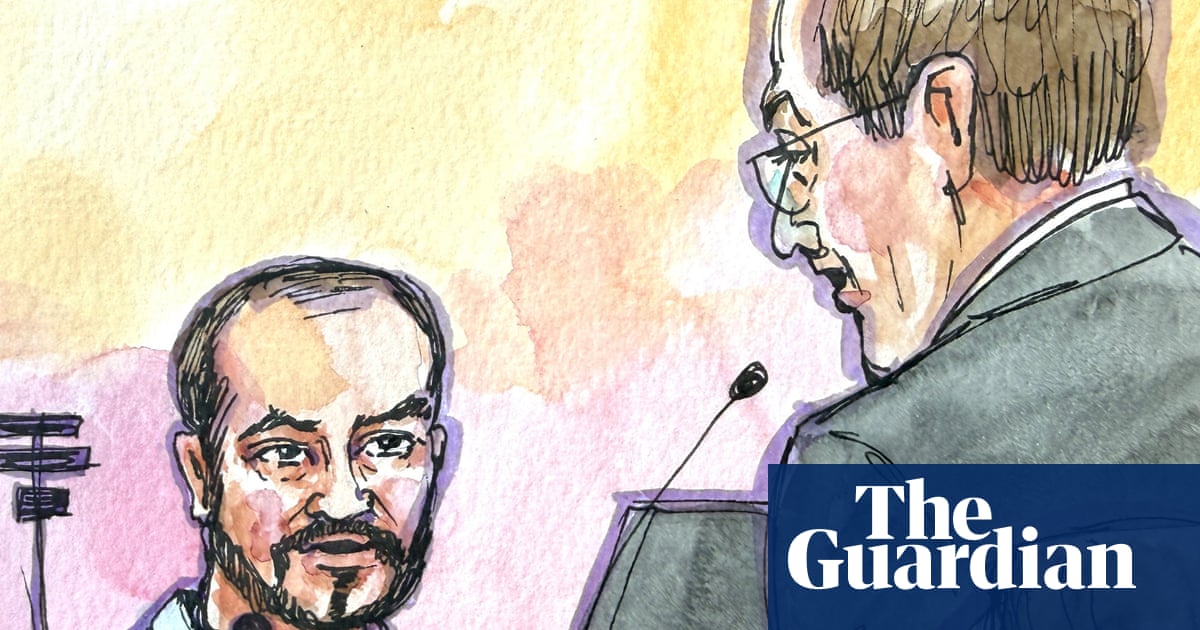
OpenAI’s governance and leadership are under renewed scrutiny in Musk v. OpenAI, with testimony alleging CEO Sam Altman showed a pattern of dishonesty and internal chaos. Former board members and executives, including Mira Murati, Helen Toner, Ilya Sutskever, and Microsoft CEO Satya Nadella, described the 2023 ouster-and-reinstatement episode as chaotic and poorly managed. Musk is seeking Altman and Greg Brockman’s removal and $134B redirected to OpenAI’s nonprofit structure, but the case appears more likely to affect sentiment and governance perception than immediate fundamentals.
The immediate market read-through is not on the legal merits; it is on governance risk premium for the AI stack. If the narrative hardens that OpenAI’s control structure is unstable and Altman’s credibility remains contested under oath, the bottleneck shifts from model quality to board credibility and capital access. That is mildly negative for MSFT in the near term because it raises the probability of distraction, delayed commercial decisions, and a higher implied cost of strategic dependence on a partner whose governance is being litigated in public.
The bigger second-order effect is competitive: this trial implicitly strengthens the case for alternatives to a single-firm AI bottleneck. Enterprise buyers, hyperscalers, and model-adjacent infrastructure vendors benefit if procurement teams decide they need multi-model redundancy to reduce vendor/key-person risk. That is constructive for the broader AI ecosystem but could compress the premium embedded in OpenAI-linked execution assumptions, especially if talent starts to price in reputational contagion and board instability over the next 1-3 quarters.
For TSLA, the connection is more about management credibility than direct fundamentals. Musk’s own conduct coming under scrutiny can modestly weaken the “visionary operator” premium across his holdings, but the stock reaction should be asymmetric: if the trial creates headline fatigue rather than fresh facts, the drag may be limited to days. The tail risk is the opposite—a damaging revelation that extends the case into a longer governance overhang, which would keep a multiple discount in place for months and make any Tesla re-rating harder to sustain.
Consensus may be overestimating the probability of a binary legal outcome and underestimating the probability of a slow-burn governance tax. That kind of tax rarely hits revenue immediately, but it often shows up in slower partner commitments, more cautious enterprise deployments, and a broader willingness by customers to hedge their AI exposure. In that setup, the biggest winner is not a direct competitor, but the picks-and-shovels layer that benefits from model diversity and deployment uncertainty.
AI-powered research, real-time alerts, and portfolio analytics for institutional investors.
Request DemoOverall Sentiment
mildly negative
Sentiment Score
-0.20
Ticker Sentiment
