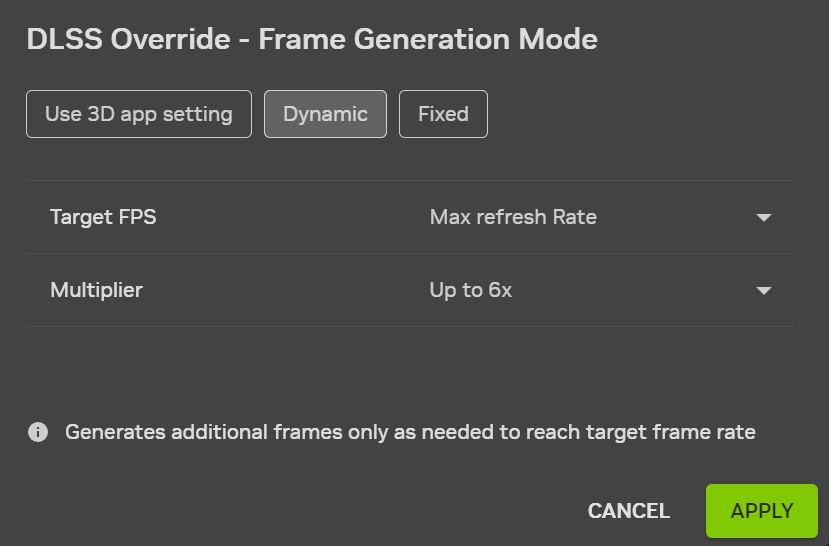
NVIDIA announced GeForce Game Ready Driver support for Forza Horizon 6, Directive 8020, and Subnautica 2, highlighting DLSS 4.5 Super Resolution, Multi Frame Generation, and ray tracing features. Forza Horizon 6 launches May 15 in Premium Early Access and May 19 for other buyers, while Subnautica 2 enters Early Access on May 14. The update is primarily a product and software ecosystem release, with limited direct market impact but supportive of NVIDIA's gaming GPU positioning.
This is less about one game and more about NVIDIA turning GeForce into a recurring platform upgrade cycle. The key second-order effect is that frame-generation features are increasingly becoming the product, not just the silicon: that raises the value of the NVIDIA app, driver cadence, and RTX 50 attach, while making older GPUs feel progressively more obsolete even when raw raster performance is adequate. The near-term winner is NVDA’s gaming franchise, but the bigger strategic win is software-defined differentiation that supports pricing discipline on the high end.
The immediate beneficiary set is broader than NVIDIA: PC OEMs, notebook vendors, and AIB partners should see a modest pull-forward in premium configurations as “best experience” messaging matters most for launch windows and holiday bundles. The underappreciated loser is AMD on the enthusiast halo side, where the gap is no longer just FPS but feature maturity, which can suppress share gains even if price/performance is competitive. Game publishers also benefit indirectly because Nvidia-optimized launches reduce technical friction and improve review sentiment, which can lift conversion in the first 2-4 weeks after release.
The market risk is that this is still a gamer-developer adoption story, not yet a hard revenue inflection for NVDA; if engagement metrics or RTX 50 supply loosen faster than expected, the commercial impact fades quickly. There is also a credibility risk if dynamic multi-frame generation creates visible artifacts or latency complaints in high-refresh competitive play, which would cap enthusiasm among the core enthusiast audience. The catalyst window is short: the next 1-2 driver cycles and launch-week telemetry will matter more than the marketing around the feature set itself.
From a contrarian standpoint, consensus may be underestimating how much this expands the useful life of older RTX cards while simultaneously upselling the top end. That is positive for ecosystem lock-in but could delay full replacement demand at the mid-range, so the strongest monetization is likely in premium desktop and laptop SKUs rather than across the whole installed base. Net: bullish NVDA, but the trade should be expressed around high-end mix and launch-driven sentiment, not broad gaming PC volume.
AI-powered research, real-time alerts, and portfolio analytics for institutional investors.
Request DemoOverall Sentiment
mildly positive
Sentiment Score
0.32
Ticker Sentiment
