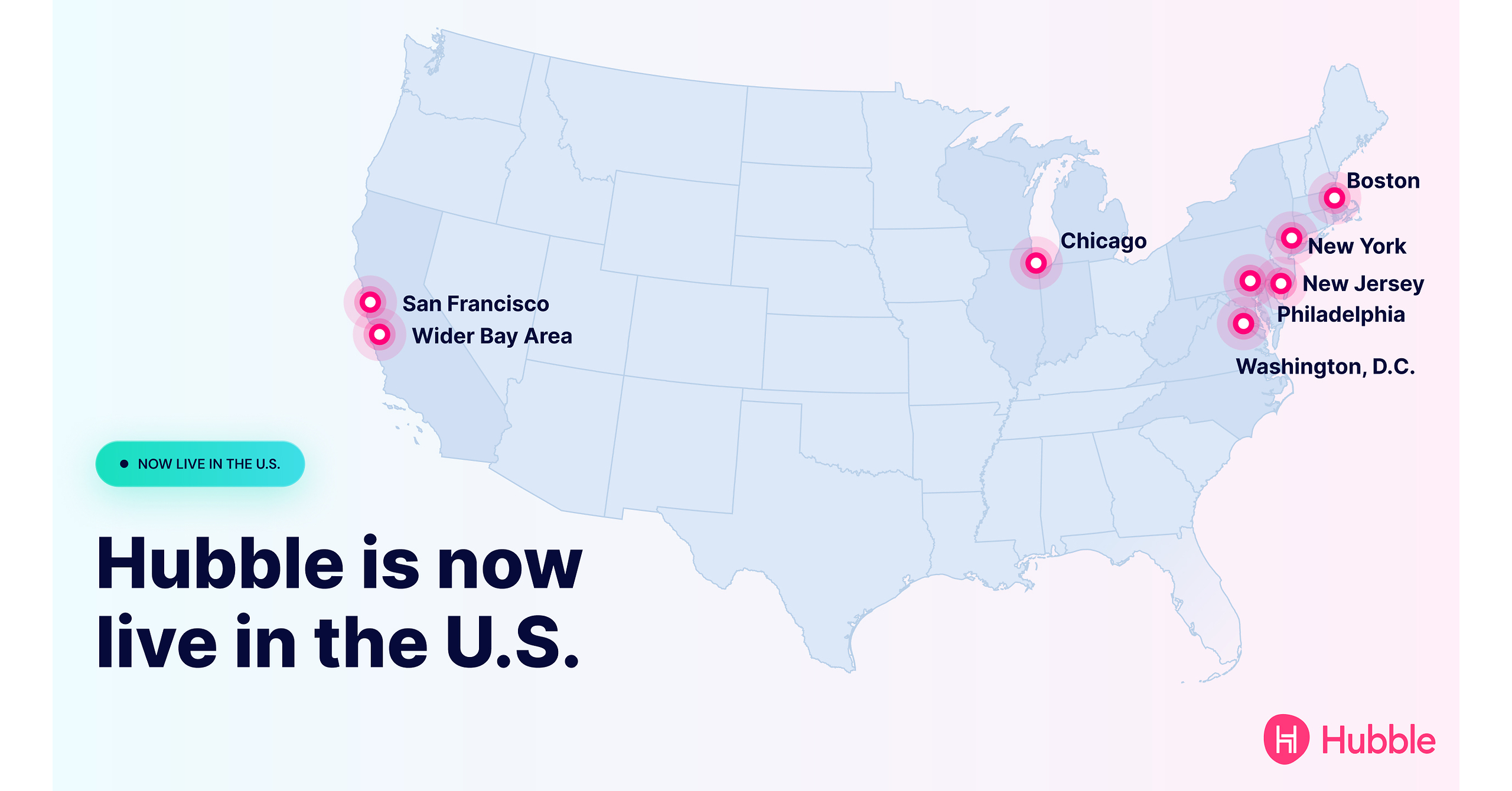
Hubble, Yardi-owned flexible office marketplace, launched in the U.S. across eight markets (10,433 office units in 706 buildings), after placing over $4M in rental contract value since a NYC soft launch in Oct 2025. The company cites growing office attendance plans (28% of NYC firms increasing vs 3% reducing) against a supply gap (coworking at 2.3% of U.S. office inventory vs JLL’s 30% flex-space projection by 2030). Hubble expects to add over 1,500 buildings by end-2026 and plans expansion to 10 additional U.S. cities in 2026.
This is not a direct earnings catalyst for the listed equities; it is a distribution-layer change that can improve utilization of flex inventory while squeezing pricing power in the middle of the stack. The near-term winners are landlords and operators with vacant urban space that can be turned into short-duration product; the losers are pure-play flex names that rely on opaque pricing and high churn, because a marketplace/advisory model makes their inventory easier to compare and commoditize.
For public comps, the read-through is more nuanced for office REITs than the headline suggests. More flex demand can lift occupancy in the next 1-2 quarters, but it also shortens lease duration and increases fit-out/capex intensity, which can pressure cash flow conversion over 6-18 months. If the marketplace meaningfully lowers tenant acquisition costs, the economic rent may migrate to the software/marketplace owner rather than the space owner.
The consensus may be overestimating the bullishness of “flex office growth” for landlords. The structural implication is not more stable office demand; it is more optionality for tenants and more competition among buildings. That is constructive for companies trying to keep footprints lean, but only indirectly helpful for names like SHOP/SPOT/PFE, where the benefit is reduced overhead, not revenue acceleration. The thesis is falsified if office occupancy keeps improving without a rise in concessions or capex, or if flex adoption stalls after the initial launch wave.
AI-powered research, real-time alerts, and portfolio analytics for institutional investors.
Overall Sentiment
mildly positive
Sentiment Score
0.18
Ticker Sentiment
