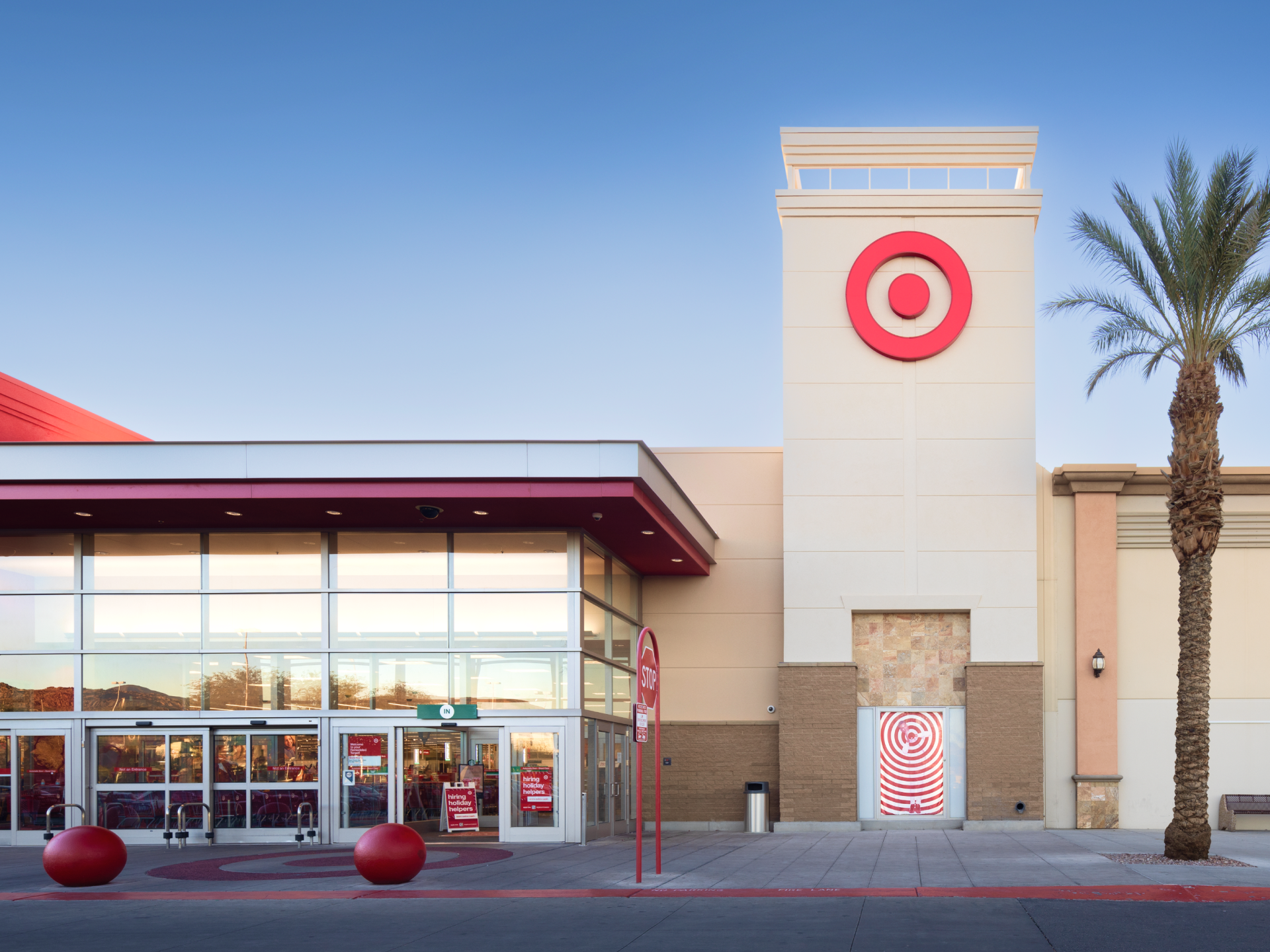
Target plans to invest approximately $5 billion this year in 130-plus remodels, 30 new stores, and upgrades to technology and supply chain, including 30 stores across 10 priority markets. The remodels are aimed at improving store traffic, fulfillment capabilities, and sales, with renovated locations typically delivering a low- to mid-single-digit sales lift. The announcement signals continued long-term investment in retail execution and same-day fulfillment rather than a near-term financial surprise.
The market should treat this as a margin architecture story more than a simple same-store-sales story. A larger remodel cadence can lift traffic, but the higher-probability economic benefit is mix: better conversion in higher-margin discretionary categories and a denser halo around fulfillment, where every incremental pickup/Drive Up order spreads fixed labor and occupancy costs across more units. That creates a compounding effect over 12–24 months if remodels are clustered in dense trade areas, because the store becomes both a showroom and a last-mile node rather than a pure retail box.
The second-order winner is likely the vendor ecosystem tied to store buildouts and supply-chain modernization, while the biggest loser is any peer competing on convenience without comparable physical density. Walmart is the obvious competitive cross-current: if Target’s refreshed stores increase basket size and speed perceptions, it narrows the experiential gap in categories where WMT has been winning on value plus convenience. Conversely, specialty retail and pure e-commerce players face a tougher proposition if Target uses remodels to improve discovery in beauty, home, and apparel, where tactile merchandising still matters.
The risk is execution dilution. A $5B spend profile can create near-term SG&A and capex pressure before productivity gains show up, and the remodel lift can be overstated if traffic merely shifts from nearby stores rather than expanding market share. The key catalyst window is 2–3 quarters after each wave of remodels, when comp acceleration should be visible in remodeled cohorts; if not, the market may re-rate this as low-ROI maintenance capex rather than growth investment.
Contrarian read: the consensus may be underestimating how much of the payoff comes from fulfillment and not front-end retail theater. If same-day logistics improve even modestly, the earnings lever can be larger than the modest low-single-digit comp lift implies, because it reduces last-mile cost per order and supports more frequent household shopping behavior. But if macro weakens and consumers trade down aggressively, remodels will not protect ticket growth as much as management hopes, making this a good quality-of-execution long rather than a broad consumer beta long.
AI-powered research, real-time alerts, and portfolio analytics for institutional investors.
Request DemoOverall Sentiment
mildly positive
Sentiment Score
0.35
Ticker Sentiment
