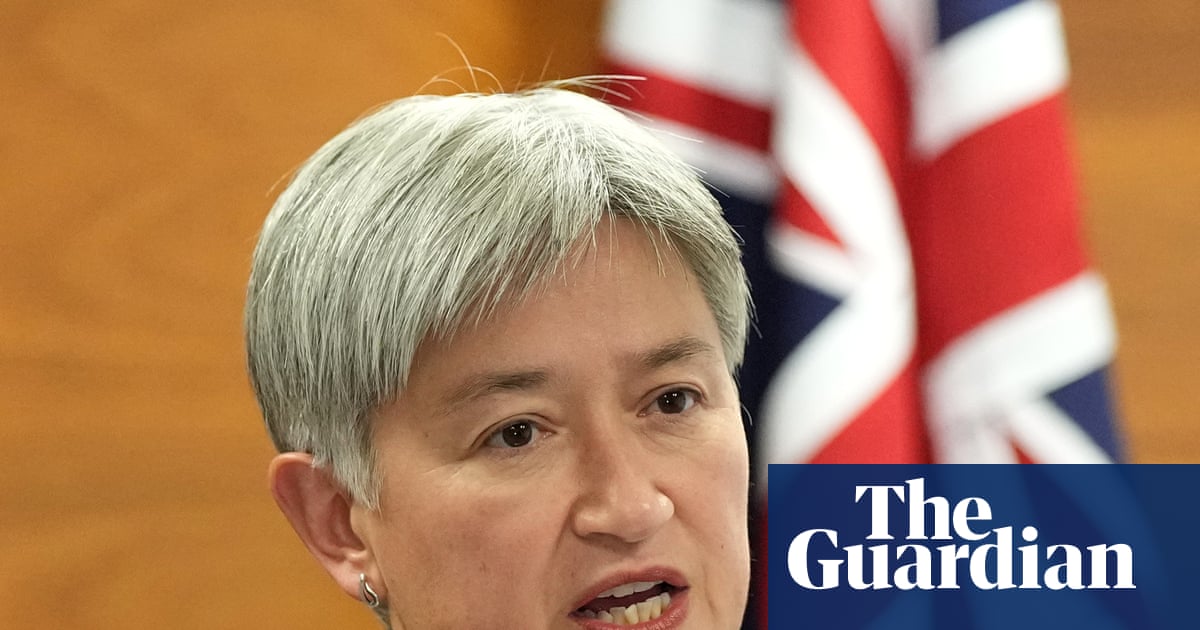
Australia has condemned Israeli minister Itamar Ben-Gvir after video footage showed him mocking bound activists detained from a Gaza aid flotilla, including 11 Australians. Foreign Minister Penny Wong said the images were "shocking and unacceptable" and reiterated calls for the detainees' release and no ill treatment. The article also raises legal concerns over Israel's enforcement of its blockade off Cyprus and the high seas, but the direct market impact appears limited.
This is a reputational and legal escalation, not a market-moving macro event, but it does matter at the margin for Australia’s policy risk premium and for counterparties exposed to Israel-linked defense, security, and sovereign-style headline risk. The immediate second-order effect is a higher probability of diplomatic friction translating into slower approvals, more restrictive procurement scrutiny, and louder domestic pressure on Canberra to widen sanctions language beyond symbolic measures. That typically widens the gap between public rhetoric and actual trade flows, which is why the first price reaction is usually in sentiment-sensitive defense and cyber names rather than in broad equities.
The more important medium-term signal is that maritime interdiction around humanitarian operations is getting reframed as a freedom-of-navigation issue, which broadens the coalition of critics beyond the usual political bloc. If that narrative sticks, it can incrementally raise the cost of capital for Israeli-linked infrastructure, shipping-adjacent logistics, and dual-use exporters via delays, compliance burden, and NGO pressure, even without any new formal sanctions. The legal framing also creates optionality for litigation and insurance disputes, which tend to surface with a 1-3 month lag and can persist for quarters.
Contrarian takeaway: the market may be overestimating the durability of the headline risk while underestimating the probability of quick de-escalation via detainee release and a token diplomatic reset. Unless there is physical retaliation or a materially broader sanctions package, the trading window is likely short—days to a few weeks—while the policy overhang lasts longer. That argues for fading any knee-jerk selloff in high-quality defense primes with diversified non-Israel exposure, while staying cautious on smaller, compliance-sensitive names with concentrated Middle East contracts.
AI-powered research, real-time alerts, and portfolio analytics for institutional investors.
Request DemoOverall Sentiment
strongly negative
Sentiment Score
-0.55
