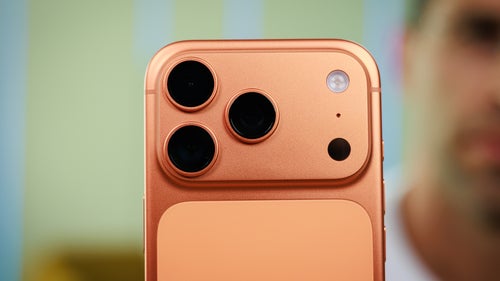
Samsung’s Galaxy S27 Ultra is rumored to miss the company’s new 200MP 1/1.12-inch HPA LOFIC camera sensor, which may instead debut on the Oppo Find X10 Ultra or a future Vivo flagship. The S27 Ultra is still expected to use a different 200MP ISOCELL HP6 sensor, with possible changes to the telephoto setup. The article is speculative and mostly product roadmap chatter, so immediate market impact looks limited.
This reads less like a single-product miss and more like a sequencing signal for Android imaging leadership. If Samsung is still using Chinese OEMs as the first commercial proving ground for its newest sensor stack, the economic value of that innovation leaks outward first to Oppo/Vivo while Samsung’s own Ultra line becomes an integration and validation platform rather than the earliest performance showcase. That is bullish for the Chinese premium camera-phone cycle in the next 6-12 months, because headline camera differentiation is one of the few levers that still supports ASP expansion in a saturated market.
Second-order, the real battleground is not raw megapixels but computational-image pipeline ownership and supply-chain pull-through. A LOFIC-class sensor only matters if paired with image processing tuned to preserve dynamic range without breaking power and thermals; that tends to favor vendors with tighter OEM/SoC/camera-stack integration. If Samsung delays adoption while competitors ship first, it risks conceding reviewer mindshare and carrier shelf space in Asia, but the bigger medium-term risk is that its camera component ecosystem becomes less of a demand driver for upstream suppliers than investors expect.
For Samsung hardware, the setup is a mildly negative catalyst into the next flagship cycle, but not a thesis breaker unless the rest of the imaging stack also disappoints. The key reversal path is simple: if Samsung uses a larger telephoto or meaningfully better computational pipeline, the market may treat the sensor miss as irrelevant; if Chinese OEMs ship the LOFIC sensor with visibly better HDR and night performance, Samsung’s premium differentiation gets pressured for multiple quarters. The contrarian view is that Samsung may be optimizing for yield, thermals, and time-to-volume rather than first-mover optics, which could prove financially superior if the newest sensor is still immature.
AI-powered research, real-time alerts, and portfolio analytics for institutional investors.
Request DemoOverall Sentiment
neutral
Sentiment Score
-0.05
Ticker Sentiment
