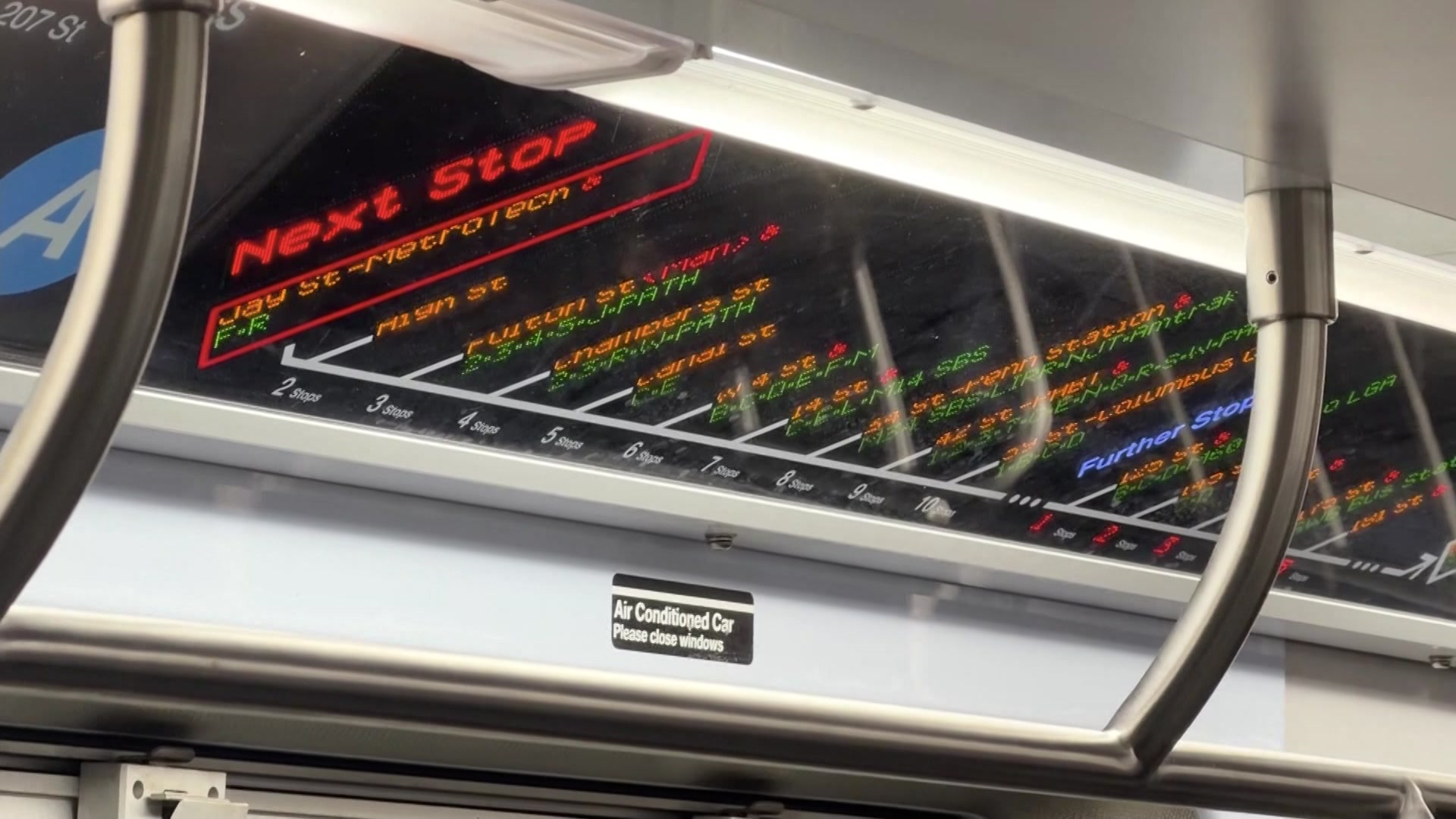
A potential Long Island Rail Road strike could force commuters onto shuttle buses and subways, turning a typical 50-minute LIRR trip into a 1 hour 50 minute journey to Penn Station. The MTA contingency plan routes riders from six Long Island pickup points to Queens subway stations, adding roughly an hour to the commute. The article highlights commuter inconvenience and plans to avoid the detour, but has limited direct market impact.
The immediate market read is not about the MTA itself, but about who gains optionality when a mass-transit bottleneck becomes a labor event. In the next few days, the first-order losers are Manhattan-dependent discretionary sectors with low schedule flexibility — especially restaurants, retail, and lower-margin office services whose foot traffic is highly commute-sensitive — while parking operators, ride-hailing, and suburban park-and-ride nodes should see temporary demand spikes. The bigger second-order effect is that even a short strike can permanently shift a fraction of commuters toward hybrid work, carpooling, or alternate rail/bus routines, creating a small but real demand leak that persists after the dispute ends.
From a trading lens, this is a classic event-driven dislocation with a very compressed catalyst window. The strike risk is binary and near-dated: if there is no work stoppage or if a deal lands quickly, any sympathy move in transit-adjacent names should mean-revert within 1-3 sessions; if the strike begins, the acute disruption is likely concentrated in the first week as commuters re-optimize, then decays as alternative routes normalize. The key downside tail is political pressure on the authority to offer concessions that preserve service levels, which would blunt the congestion premium and quickly unwind any trade predicated on prolonged disruption.
The contrarian angle is that the market may overestimate how much economic activity is truly destroyed versus displaced. A meaningful share of affected riders will simply substitute timing, mode, or location rather than cancel spend entirely, which caps the medium-term hit to local consumer names. That makes this more attractive as a short-duration volatility trade than a directional macro bet: the edge is in exploiting the mismatch between headline disruption and the eventual elasticity of commuter behavior.
A more subtle winner may be suburban real estate and parking infrastructure if even a small cohort decides to avoid the city commute altogether for an extended period. That effect matters less for a one-week strike, but if labor friction drags on, it becomes a narrative around reduced Manhattan attendance and incremental strength in outer-borough and Long Island convenience assets. In contrast, any name levered to weekday inbound office flow should be treated as temporarily exposed, not structurally impaired.
AI-powered research, real-time alerts, and portfolio analytics for institutional investors.
Request DemoOverall Sentiment
mildly negative
Sentiment Score
-0.20
Ticker Sentiment
