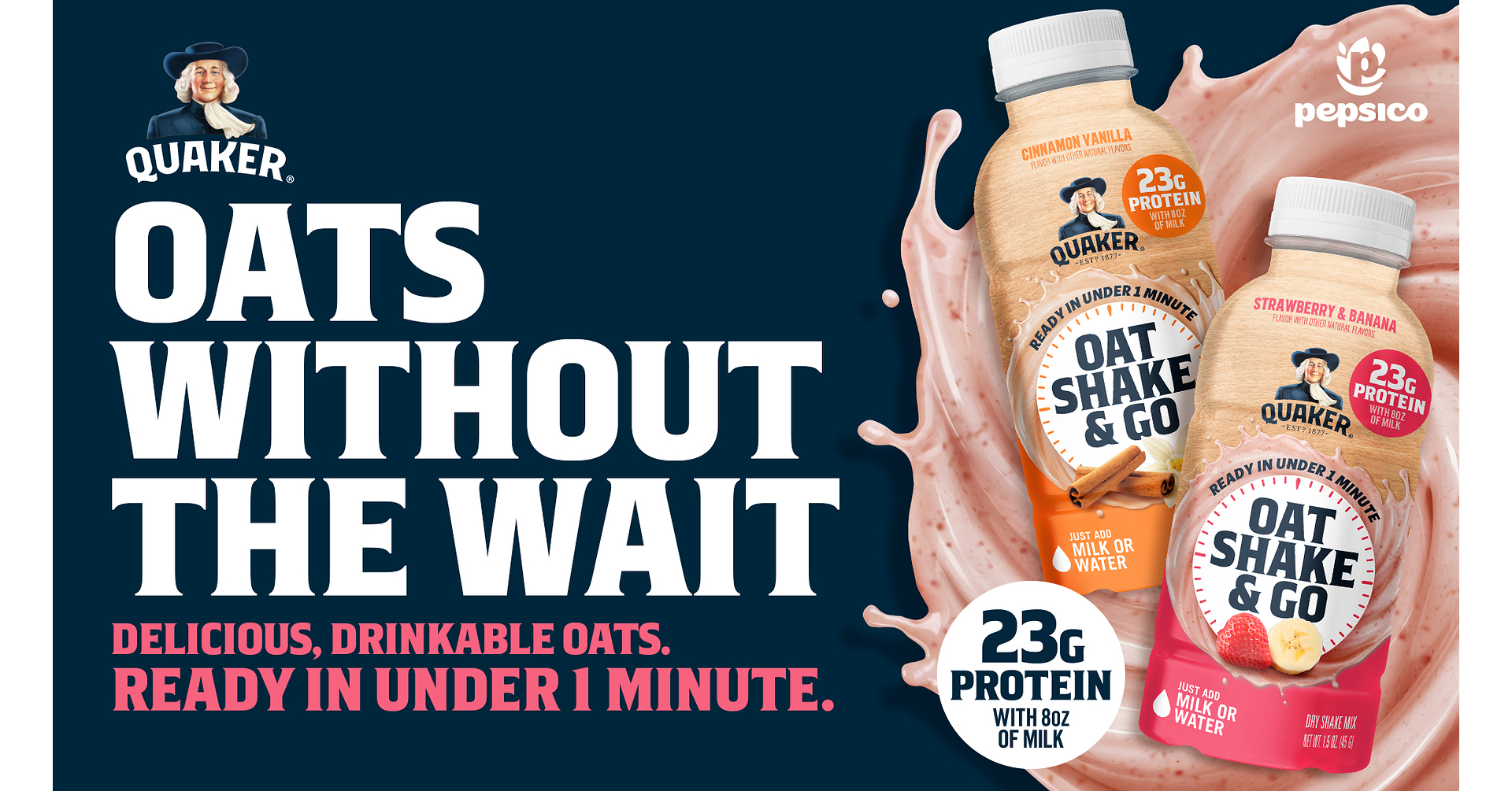
PepsiCo’s Quaker brand is launching Quaker Oat Shake & Go in July, a whole-grain oat shake delivering 15g protein per serving (23g with 8oz milk), 16g whole grains, and 3g fiber. The product is positioned for on-the-go convenience and functional nutrition, joining PepsiCo’s broader push toward protein/fiber innovations (e.g., other Quaker protein offerings and fiber snacks). While the release supports brand momentum, the article provides no financial figures, implying limited near-term market impact.
This is more of a portfolio-management signal than a near-term earnings event: the launch supports PepsiCo’s narrative that it can keep Quaker relevant in a convenience/protein-led breakfast market, but the revenue pool is too small to move PEP’s 2026 numbers without meaningful repeat purchase data. The real value is defensive—keeping shelf space and preventing erosion to private-label oatmeal, protein shakes, and better-for-you breakfast substitutes. If the format works, it can modestly improve mix and retailer leverage; if it fails, the likely outcome is incremental promo spend with little P&L contribution.
Competitive spillovers matter more than the launch itself. The threat is not just Kellanova or General Mills on oats, but also Danone/Chobani/Premier Protein-style meal-replacement products that own the “fast protein” occasion. A successful bottle-format oat product could help PEP expand into a higher-frequency morning occasion, but it also invites rapid imitation by retailers and private label, which typically compresses margins once the concept is proven. The second-order risk is cannibalization: shifting consumers from simpler, lower-cost oat SKUs into a more complex format can raise revenue per unit while not necessarily improving gross profit dollars if packaging and trade support are heavy.
Time horizon is key. For the next few days, this is mostly a sentiment-positive headline for PEP and likely noise for the sector. Over 1-3 months, the catalyst is scanner data and retailer velocity; lack of repeat rates would quickly expose this as a marketing test rather than a durable franchise extension. Over 6-18 months, the question is whether PepsiCo can create a scalable morning platform or whether the category remains fragmented and easily copied. The thesis is falsified if launch velocity is weak, Quaker share in breakfast stays flat, or PEP has to lean harder on promo to sustain distribution.
AI-powered research, real-time alerts, and portfolio analytics for institutional investors.
Request DemoOverall Sentiment
mildly positive
Sentiment Score
0.15
Ticker Sentiment
