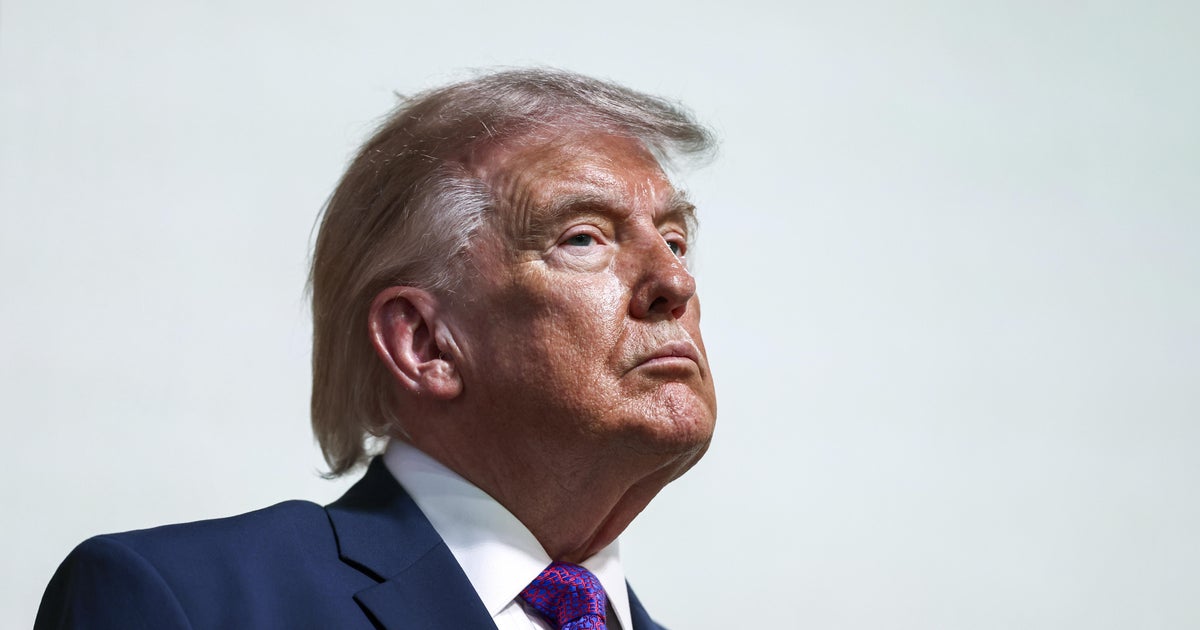
Two former law enforcement officers filed suit in federal court to block the Trump administration's $1.7 billion 'anti-weaponization fund,' arguing the fund is illegal and could pay Jan. 6 rioters and other Trump allies. The complaint seeks to reverse any Treasury transfers to the Justice Department and prevent distributions from the settlement-backed fund. The underlying settlement also resolved Mr. Trump's $10 billion tax-return lawsuit and his separate claims for about $230 million, while barring the IRS from pursuing certain prior-return claims.
The immediate market impact is less about direct cash flows and more about institutional credibility: once a government creates an ex-post compensation vehicle that can plausibly reach politically exposed claimants, the hurdle rate for future litigation settlements falls across the board. That raises the expected value of nuisance suits against the federal government, which is negative for the Treasury’s optionality and positive for plaintiff-side law firms, claims financiers, and any insurer or counterparty with unresolved government exposure. The bigger second-order effect is on precedent: if the fund survives review, it effectively monetizes political grievance into an administrative payout framework, which invites copycat claims from both sides of future regime changes.
For risk assets, the relevant horizon is months, not days, because the cash flows are contingent on eligibility rules and judicial review. The tail risk is that a court blocks transfers or narrows the fund before any broad claimant base forms; that would compress the expected value of the whole construct and likely push settlement-seeking behavior back into the courtroom. The opposite tail is more important: if criteria are vague and the board is permissive, the fund becomes a standing political liability that could balloon well beyond the headline amount through follow-on claims, appeals, and administrative litigation costs.
The contrarian read is that this is not just a Trump-specific governance issue; it is a regime-risk signal for any federally regulated industry that depends on discretion in enforcement, tax, or procurement. Companies with unresolved disputes may increasingly price in "settlement with politics" rather than pure legal merit, which changes bargaining dynamics and could accelerate out-of-court resolutions at higher average payouts. That favors well-capitalized plaintiffs and counsel with repeat access, while penalizing entities that rely on clean precedent or long-dated statutory clarity.
AI-powered research, real-time alerts, and portfolio analytics for institutional investors.
Request DemoOverall Sentiment
neutral
Sentiment Score
-0.10
