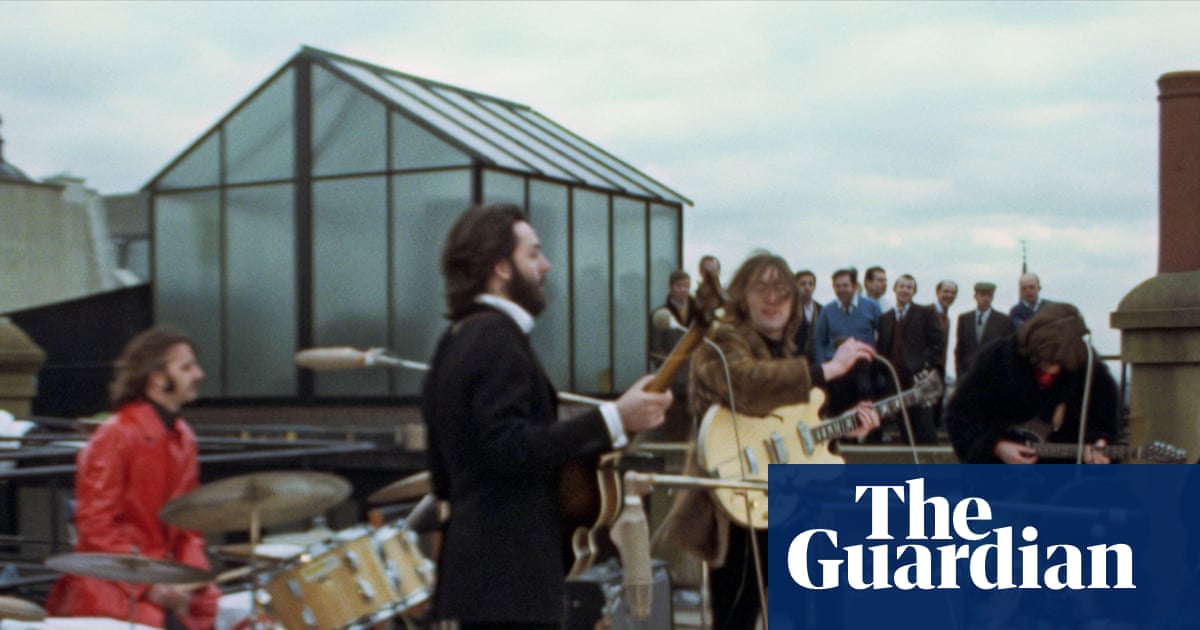
Apple Corps has re-acquired 3 Savile Row and plans to open The Beatles at 3 Savile Row as a public attraction in 2027, spanning seven floors with archive items, temporary exhibitions, a shop, a recreated Let It Be studio and rooftop access. The project leverages renewed Beatles momentum from recent documentaries, reissues and the AI-assisted 2023 single Now and Then, which hit No. 1 in the UK after a 54-year gap between chart-topping singles. The news is culturally significant for media and tourism, but limited in direct market impact.
This is a low-to-mid conviction positive catalyst for IP monetization rather than a pure operating story. The reopening of a globally recognized cultural asset extends the runway for Beatles-related revenue across tickets, merchandising, licensing, premium tours, and adjacent content distribution; the incremental value is in converting legacy awareness into recurring on-site spend and higher-value IP activation. For Disney, the read-through is that heritage franchises with cross-generational awareness can still be resold repeatedly when paired with fresh formats, which supports the broader thesis around long-tail catalog monetization and experiential extensions.
The second-order winner is the local tourism stack: Mayfair hospitality, guided tours, premium retail, and private-event operators should see a small but durable uplift once the venue is operational. The real risk is not demand but execution cadence—anything that delays the 2027 opening or weakens the exhibit quality would reduce the scarcity premium and cap the halo effect. In the near term, however, the market will likely discount the project’s narrative value before it contributes meaningful EBITDA, so this is more of a sentiment and option value story than a fundamental earnings driver.
On Apple, the article reinforces the broader strategic moat around ecosystem control and brand stewardship, but there is no direct financial read-through to the core hardware cycle. The contrarian point is that cultural IP is becoming more valuable in a fragmented media environment precisely because it cuts through algorithmic noise; that benefits owners of enduring franchises more than new content producers with higher churn. The flip side is that the project could invite higher ongoing capex and staffing costs than investors expect, making the early economics look thin until attendance and ancillary monetization prove out.
Catalyst timing matters: the next 6-12 months should trade mainly on publicity, permit progress, and tourism recovery in London, while actual earnings impact remains 12-24 months out. A broader risk-off in discretionary travel or a slowdown in international visitor flows would hurt the thesis, whereas stronger-than-expected pre-opening demand could re-rate adjacent leisure names ahead of launch.
AI-powered research, real-time alerts, and portfolio analytics for institutional investors.
Request DemoOverall Sentiment
mildly positive
Sentiment Score
0.32
Ticker Sentiment
