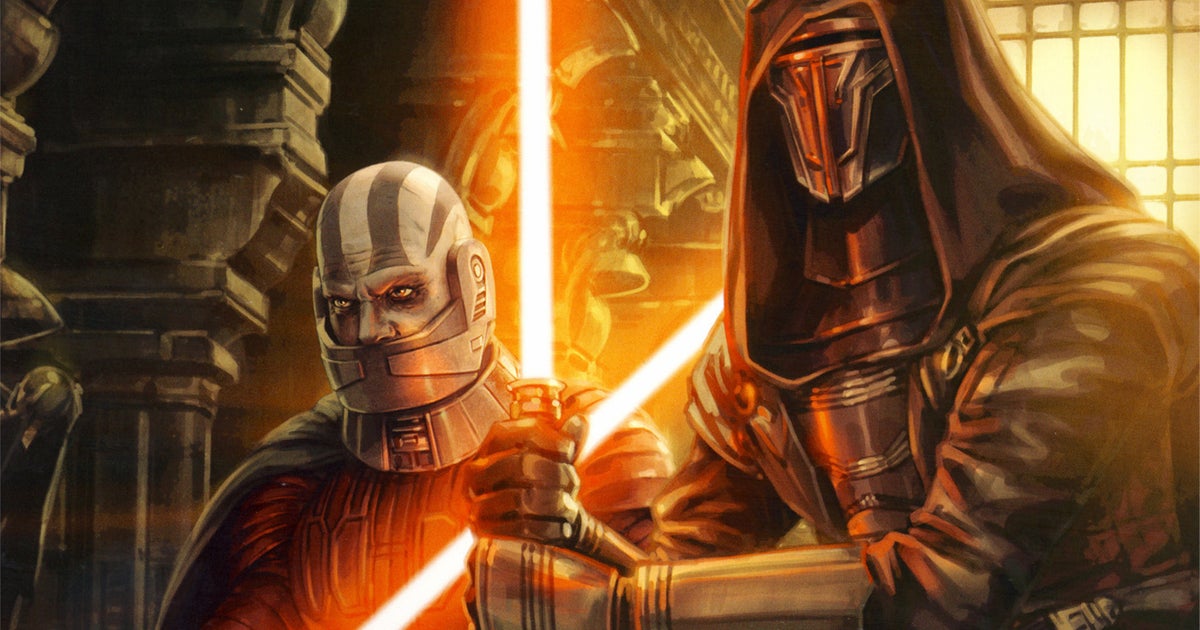
EA's board reportedly rejected a planned BioWare reboot of Star Wars: The Old Republic that would have transformed it into a more KOTOR-like experience, ending the project despite early support from Kathleen Kennedy, Dave Filoni, and EA exec Patrick Soderlund. The article frames the decision as a missed creative opportunity and a setback that contributed to James Ohlen's eventual exit from BioWare in 2018. The news is largely retrospective and industry-focused, with limited direct market impact.
This is less about a single cancelled game concept and more about how legacy entertainment IP monetization gets constrained by governance scars. When a board anchors on a prior capital overrun, it tends to suppress medium-risk creative pivots even when they could extend franchise half-life; that usually benefits the incumbent low-capex cash engine, not the “reset” opportunity. The second-order effect is that the strongest creative teams gradually migrate to better-governed platforms and private capital, leaving the legacy publisher with more sequels, fewer reinventions, and lower long-run brand optionality.
For public comps, the real signal is not the IP itself but the probability of future write-downs versus reinvestment. A publisher that repeatedly chooses preservation over transformation can maintain near-term margins, but the market eventually penalizes stagnant content pipelines through multiple compression, especially if growth relies on aging live-service titles. In contrast, small studios and venture-backed developers with clearer creative control become the relative winners because they can monetize the same audience dissatisfaction with lower development burn and faster iteration.
The contrarian read is that the market may be underestimating how much demand still exists for premium, story-driven RPGs if they are executed with discipline. The article implies the limiting factor is governance, not audience size; that means a successful independently funded launch in this genre could re-rate category expectations over the next 12-24 months. Catalytically, watch for any new RPG from ex-BioWare talent that proves AAA-quality narrative can be delivered with sub-scale budgets; that would pressure incumbents to revisit dormant IP strategy.
AI-powered research, real-time alerts, and portfolio analytics for institutional investors.
Request DemoOverall Sentiment
mildly negative
Sentiment Score
-0.10
