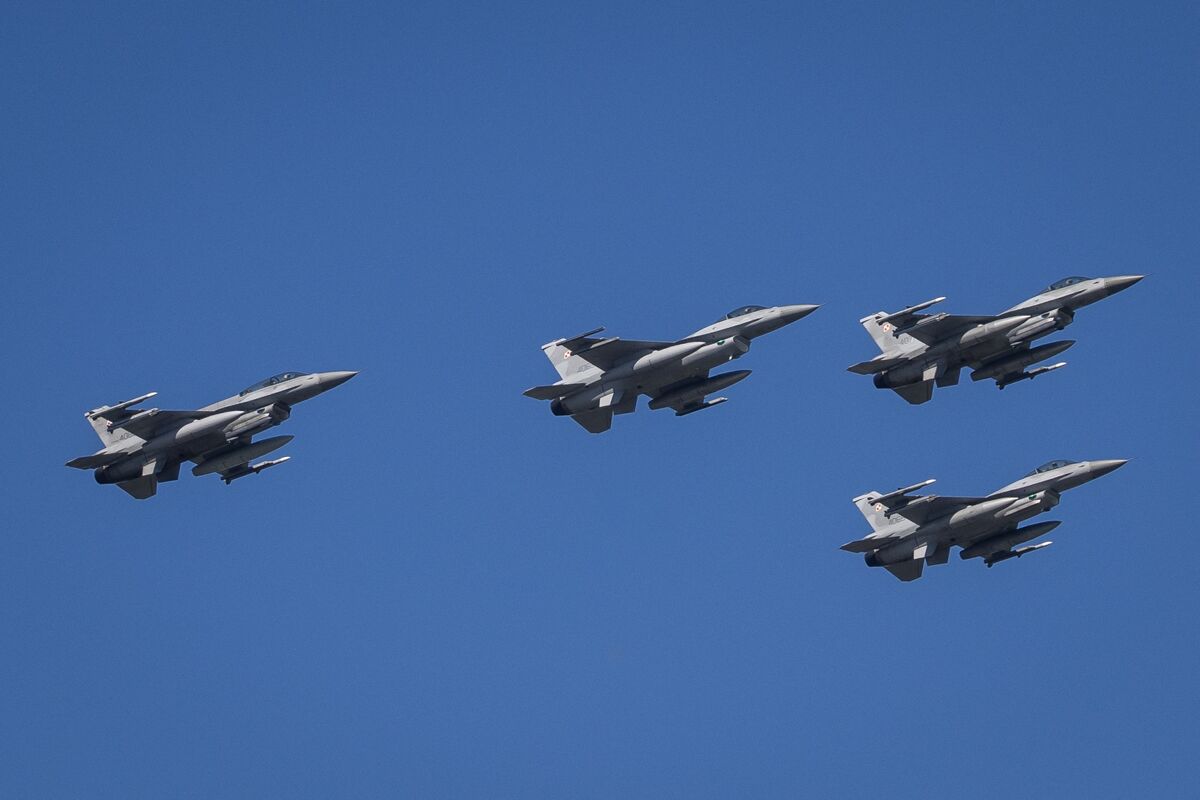
Poland has finalized a $3.8 billion deal with the US to modernize its fleet of 48 F-16 fighter jets, a move aimed at bolstering its deterrence capabilities against potential Russian aggression and enhancing interoperability within NATO. This substantial defense expenditure underscores Poland's commitment to strengthening its military posture on the alliance's eastern flank.
Poland has committed to a significant $3.8 billion defense expenditure to modernize its current fleet of 48 F-16 fighter jets through an agreement with the United States. This move is explicitly aimed at enhancing its deterrence capabilities against potential Russian aggression and improving military interoperability within the NATO framework. The deal underscores Poland's strategic role on the alliance's eastern flank and reflects a broader regional trend of increased military spending in response to heightened geopolitical tensions. While the article does not name specific corporate beneficiaries, this substantial contract signifies a material capital injection into the defense sector. The market's moderately positive sentiment and defensive tone suggest this is viewed as a necessary investment in regional security, though its overall market impact is considered contained, primarily affecting the geopolitical and defense infrastructure themes.
AI-powered research, real-time alerts, and portfolio analytics for institutional investors.
Request DemoOverall Sentiment
moderately positive
Sentiment Score
0.50
