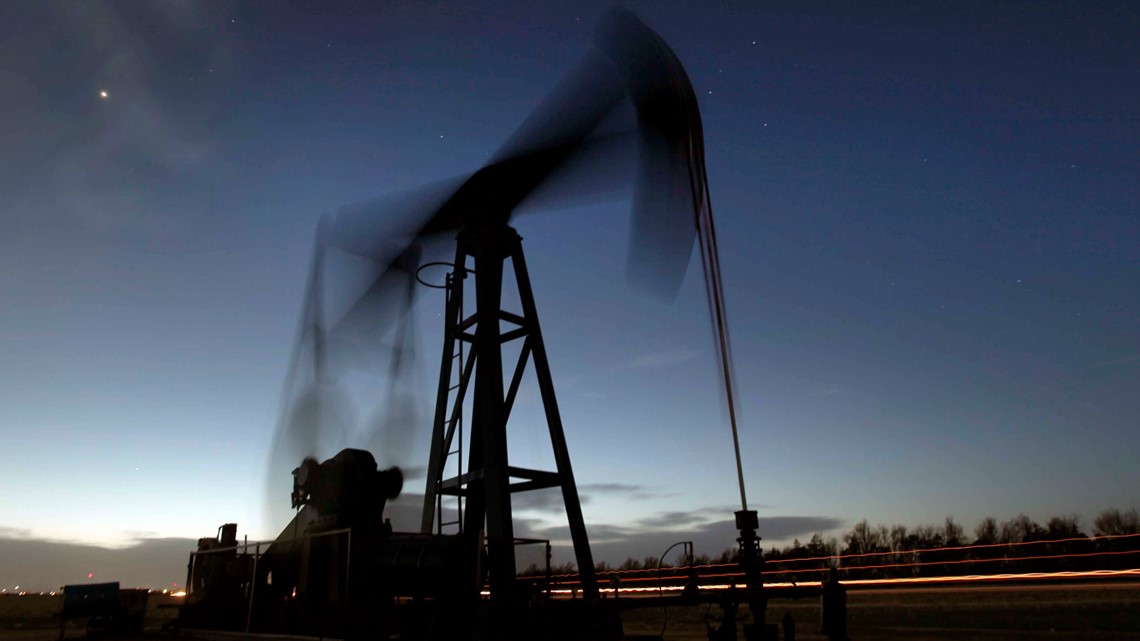
The U.S. Department of Energy plans to release more than 53 million barrels from the Strategic Petroleum Reserve to stabilize oil markets amid the U.S.-Israel war with Iran. Brent crude has already risen about 50% from pre-war levels near $70 a barrel, with the effective closure of the Strait of Hormuz disrupting a corridor that normally carries 20% of global oil flows. The move signals elevated geopolitical and inflation risk, with implications for energy prices and broader market sentiment.
The market is likely underpricing the difference between headline supply and fungible supply. SPR barrels can dampen prompt panic, but they do not rebuild the missing corridor capacity through the Strait of Hormuz, so the steepest effect should be in the front end of the curve rather than a durable reset in 6-12 month pricing. That means the most vulnerable exposures are downstream refiners, airlines, chemical producers, and freight-intensive industrials whose margins reprice immediately while their input costs remain elevated.
A more important second-order effect is credit and liquidity stress inside the physical ecosystem. Higher crude plus disrupted routing raises working-capital needs for traders, shipowners, and refiners, which can force inventory liquidation and widen differentials even if headline Brent stabilizes. That usually benefits balance-sheet-heavy integrated producers and can hurt midstream/logistics names tied to volumes through the Gulf if traffic remains impaired for another 1-3 months.
The political overlay is asymmetric: any improvement in the ceasefire or a credible reopening of shipping lanes can unwind risk premium quickly, but the market is now in a regime where each failed negotiation has a larger marginal impact than the last. China’s role matters less as a demand signal than as a diplomatic pressure point; if Beijing leans in, the first response should be a sharp compression in geopolitical premium rather than a full retracement of the oil move. Conversely, if talks fail again, the market can quickly re-test supply-disruption highs because the SPR is a bridge, not a substitute, and its signaling effect gets weaker after repeated use.
AI-powered research, real-time alerts, and portfolio analytics for institutional investors.
Request DemoOverall Sentiment
moderately negative
Sentiment Score
-0.35
