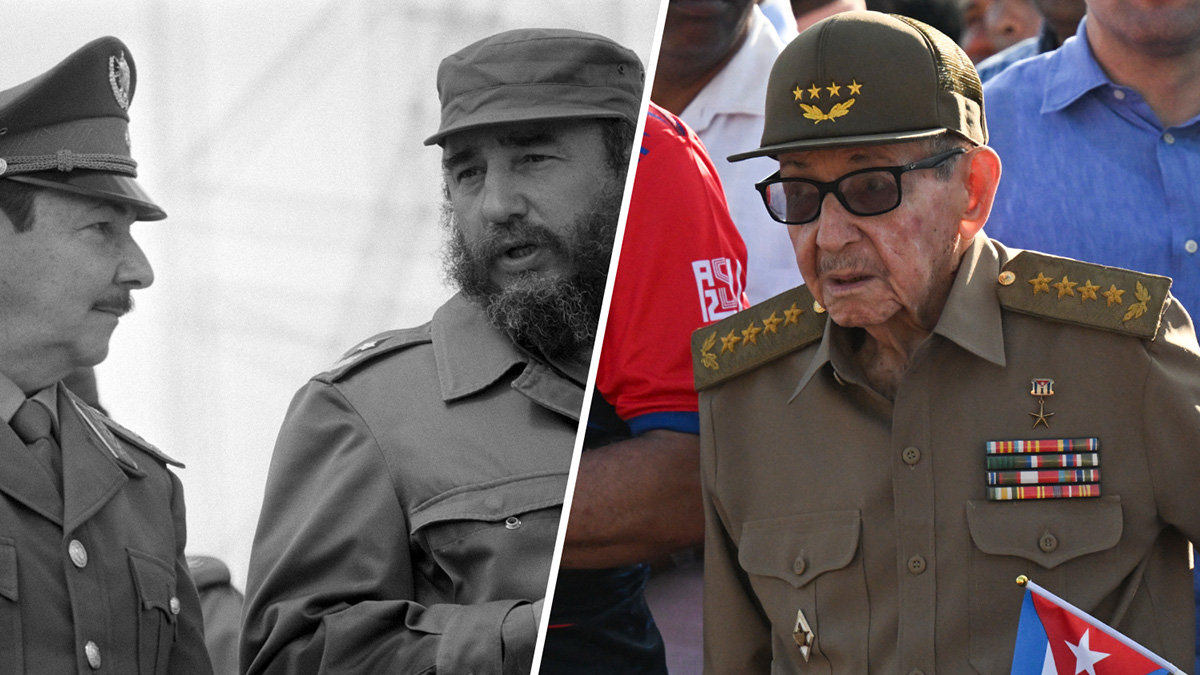
Raul Castro has been indicted by the United States over his alleged role in the 1996 shootdown of two civilian planes operated by Brothers to the Rescue, a case tied to longstanding U.S.-Cuba tensions. The article also notes his earlier role as Cuba’s defense minister and that the episode helped trigger the Helms-Burton Act, which tightened the U.S. embargo on Cuba. The news is historically significant but likely limited in near-term market impact.
This is less about near-term Cuba risk than about the U.S. using an old legal file to reprice political optionality around Havana. The practical market impact is small in isolation, but the signaling effect matters: any reopening narrative now carries more embedded legal and reputational friction, which raises the hurdle for firms that would otherwise front-run normalization in tourism, telecom, remittances, and agricultural trade. The move also reinforces a pattern of U.S. foreign-policy continuity on Cuba regardless of administration, reducing the odds of a clean policy reset in the next 12-24 months.
The biggest second-order effect is on any asset tied to Cuba-exposure via Florida politics rather than direct operating revenue. South Florida media, local finance, and politically sensitive sectors may see periodic headline volatility, but the larger beneficiary is the anti-normalization bloc: it gains a fresh legal anchor to argue that concessions are politically costly and legally premature. That makes legislative easing harder than executive rhetoric, especially if Republicans retain leverage over Congress or if a future administration wants to avoid looking soft on human-rights issues.
Contrarian view: the market may overestimate the economic relevance and underestimate the signaling asymmetry. Cuba is still too small to move broad U.S. equities, and this kind of headline often spikes short-lived sentiment more than cash flows. The better trade is not Cuba-specific beta, but monitoring whether the news slows down any broader Latin America détente or sanctions-relief impulse; if so, the marginal losers are names that depend on a warmer hemispheric policy regime and lower geopolitical risk premia.
AI-powered research, real-time alerts, and portfolio analytics for institutional investors.
Overall Sentiment
mildly negative
Sentiment Score
-0.35
