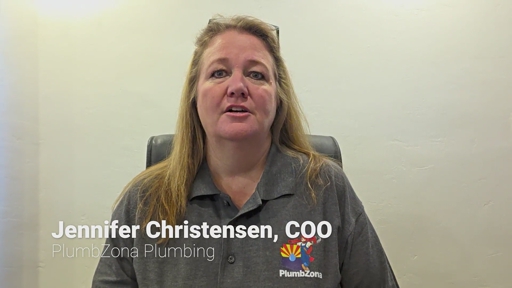
The article provides practical homeowner guidance for plumbing emergencies (e.g., burst pipes, drain backups), emphasizing immediate shutoff of the main water supply and calling a licensed 24/7 emergency plumber. It highlights risks from aging infrastructure, shifting soil, and inconsistent water pressure in Tucson, noting that quick action helps limit water damage and health exposure. No financial figures or market-relevant corporate or policy developments are reported.
This is not a meaningful near-term read-through for TSTS; the article is more a behavioral reminder than an earnings catalyst. The economically relevant angle is mitigation spend: leak sensors, shutoff valves, and home-monitoring products can gain share over time because homeowners pay for prevention only after a visible loss event or an insurance premium reset. That makes the addressable demand more cyclical than the article implies, with adoption likely lumpy and event-driven rather than steady.
The clearest winners are the “picks and shovels” around damage prevention and repair: REZI and ALRM on connected leak-detection ecosystems, and to a lesser extent HD/LOW via plumbing parts, shutoff hardware, and DIY remediation. Insurers such as TRV, ALL, and CB benefit only second-order and over 6-18 months if mitigation reduces severity, which is a slow-burn margin tailwind rather than a visible revenue driver. Fragmented local plumbers are more likely to see margin pressure from commoditized emergency response unless they upsell inspections and recurring maintenance.
Contrarian view: the market often overestimates how quickly consumers act on “preparedness” content. The conversion funnel is weak until there is either a local disaster cluster, a premium shock from homeowners’ insurance, or a winter freeze headline that makes loss probability feel personal. Without those catalysts, any pickup in sensor or shutoff-device sales is likely too small to matter in quarterly numbers.
Net: no trade in TSTS. The actionable setup is to watch for evidence of rising leak-mitigation attach rates or insurer incentives; absent that, this is noise, not signal.
AI-powered research, real-time alerts, and portfolio analytics for institutional investors.
Request DemoOverall Sentiment
neutral
Sentiment Score
0.00
Ticker Sentiment
