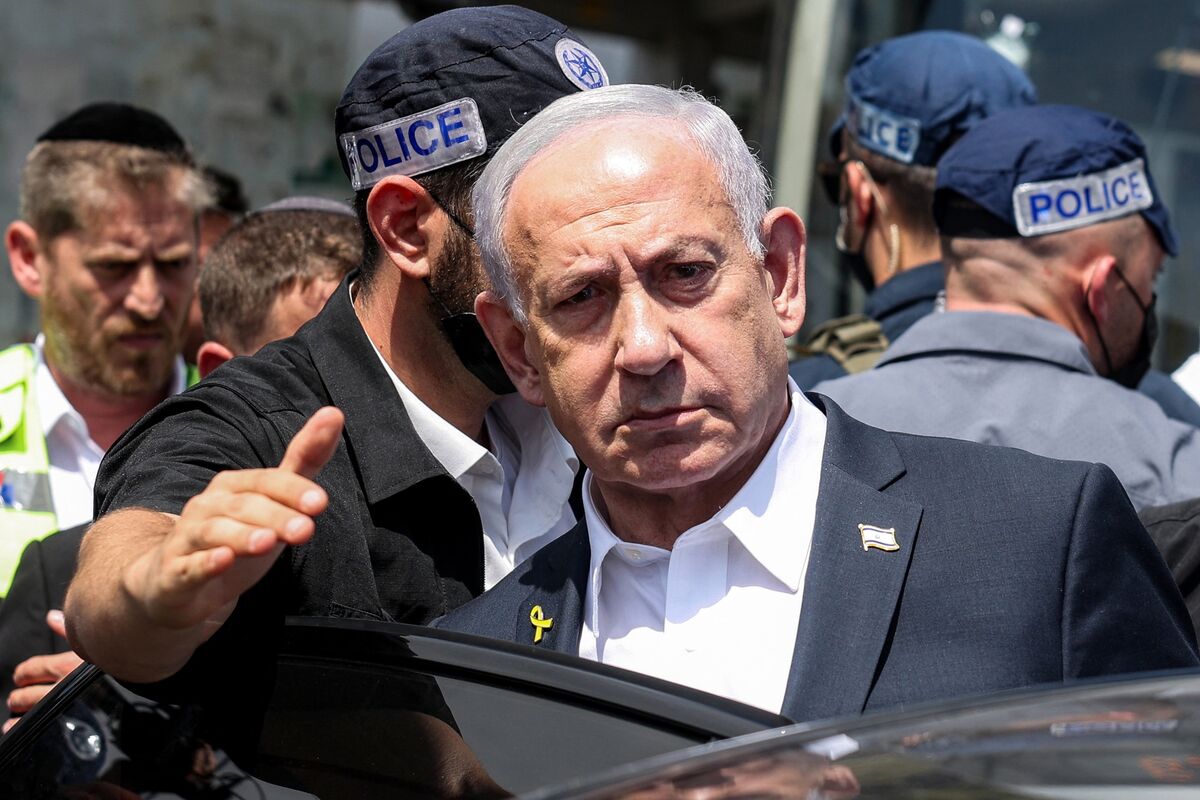
Qatar condemned Israeli Prime Minister Netanyahu's 'reckless' threats of military action against the Gulf state, demanding the expulsion or prosecution of Hamas members on its territory. Qatar's foreign ministry labeled these comments a 'shameful attempt' to justify a recent missile strike on Doha that killed Hamas officials and a Qatari security guard. This development signals a significant escalation in regional tensions, raising concerns about potential military engagement and broader geopolitical instability.
A significant escalation in Middle Eastern geopolitical tensions has emerged following direct threats of further military action by Israeli Prime Minister Netanyahu against Qatar. These threats, conditioned on Qatar's handling of Hamas members within its borders, were publicly condemned by the Qatari foreign ministry as 'reckless' and a pretext to justify a recent missile strike on Doha. The strike, which resulted in the deaths of Hamas officials and a Qatari security guard, marks a dangerous expansion of the conflict, directly involving a major Gulf state. The event's high market impact score of 0.7 and 'strongly negative' sentiment underscore the perceived severity of this development, transforming a localized conflict into a broader regional confrontation with highly unpredictable outcomes and introducing significant instability into a critical energy-producing region.
AI-powered research, real-time alerts, and portfolio analytics for institutional investors.
Request DemoOverall Sentiment
strongly negative
Sentiment Score
-0.75
