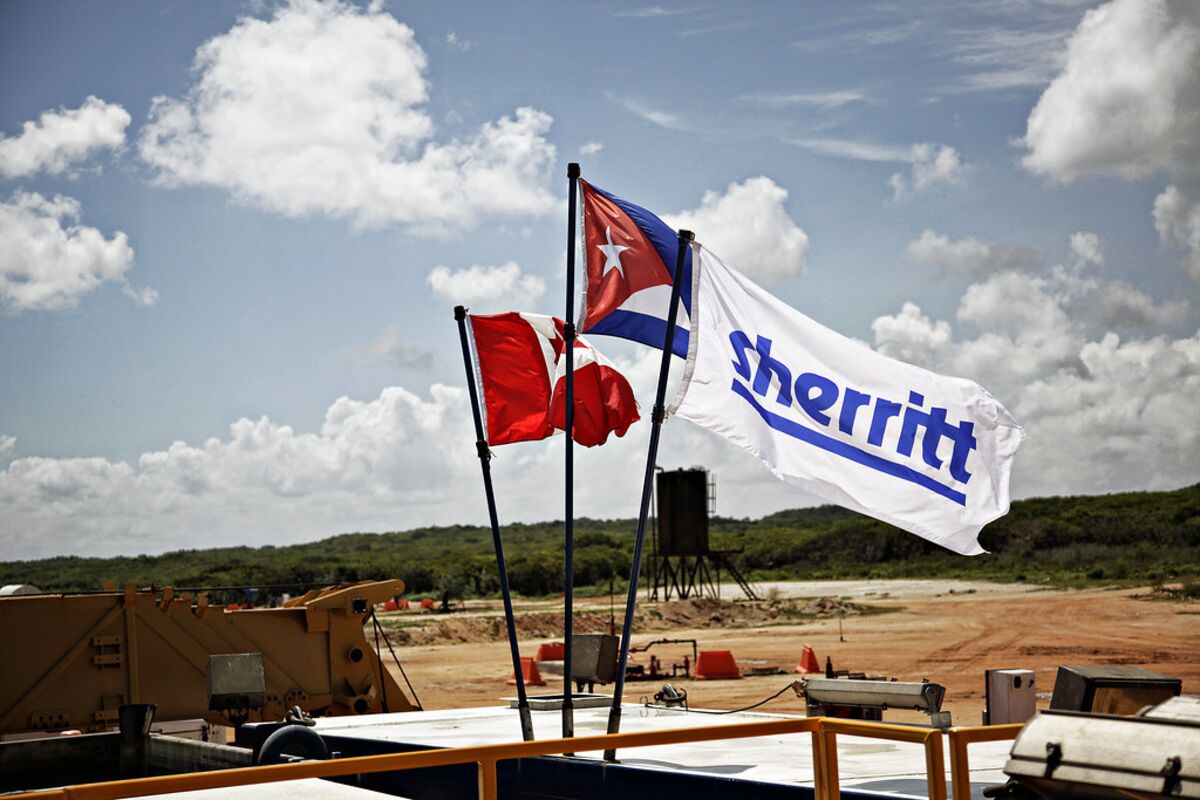
Sherritt is seeking help from a former Trump adviser as it tries to preserve its Cuba operations after White House pressure had previously pushed the company toward exiting the island. The development underscores ongoing geopolitical and sanctions-related risk for the miner's Cuban business, with management now attempting a turnaround in a difficult policy environment. The article also references CPPIB selling some fund stakes and halting one sale, but provides no material financial figures.
This is less a clean operating story than a capital-allocation and governance event: the market is being asked to underwrite a jurisdictional optionality problem that is increasingly binary. For a single-asset EM-sanctions exposure like this, the equity should trade on the probability-weighted value of exit versus entrenchment, and the latter usually destroys value because it keeps management spending scarce time and capital on legal workarounds instead of de-risking the balance sheet.
Second-order, the real loser is not just the company but any partner ecosystem tied to Cuban cash flows, because counterparties will demand higher discounts, shorter tenors, and more security as the perceived enforceability of future receipts deteriorates. That can create a negative feedback loop: the weaker the asset economics look, the more expensive every attempt to preserve them becomes, compressing equity value even if headline operations remain intact for a few quarters.
The catalyst path is asymmetric over days to months. Near term, any further political signaling can trigger additional re-rating down as investors price in a forced unwind, while over 6-12 months the key variable is whether management can convert optionality into actual monetization or whether it simply extends the runway at increasing cost. A reversal would require either a durable easing in sanctions risk or a credible, funded exit that crystallizes value faster than the market has already discounted.
Consensus may be too focused on the headline jurisdiction risk and not enough on balance-sheet convexity: if the market assumes the Cuban asset is near-worthless, then the stock is implicitly trading as if there is little hidden value elsewhere. That creates a contrarian setup only if management can clearly ring-fence non-Cuba assets and demonstrate that the remaining company is self-funding; absent that, any rally on headline relief should be sold into because governance uncertainty tends to reassert itself quickly.
AI-powered research, real-time alerts, and portfolio analytics for institutional investors.
Request DemoOverall Sentiment
mildly negative
Sentiment Score
-0.35
Ticker Sentiment
