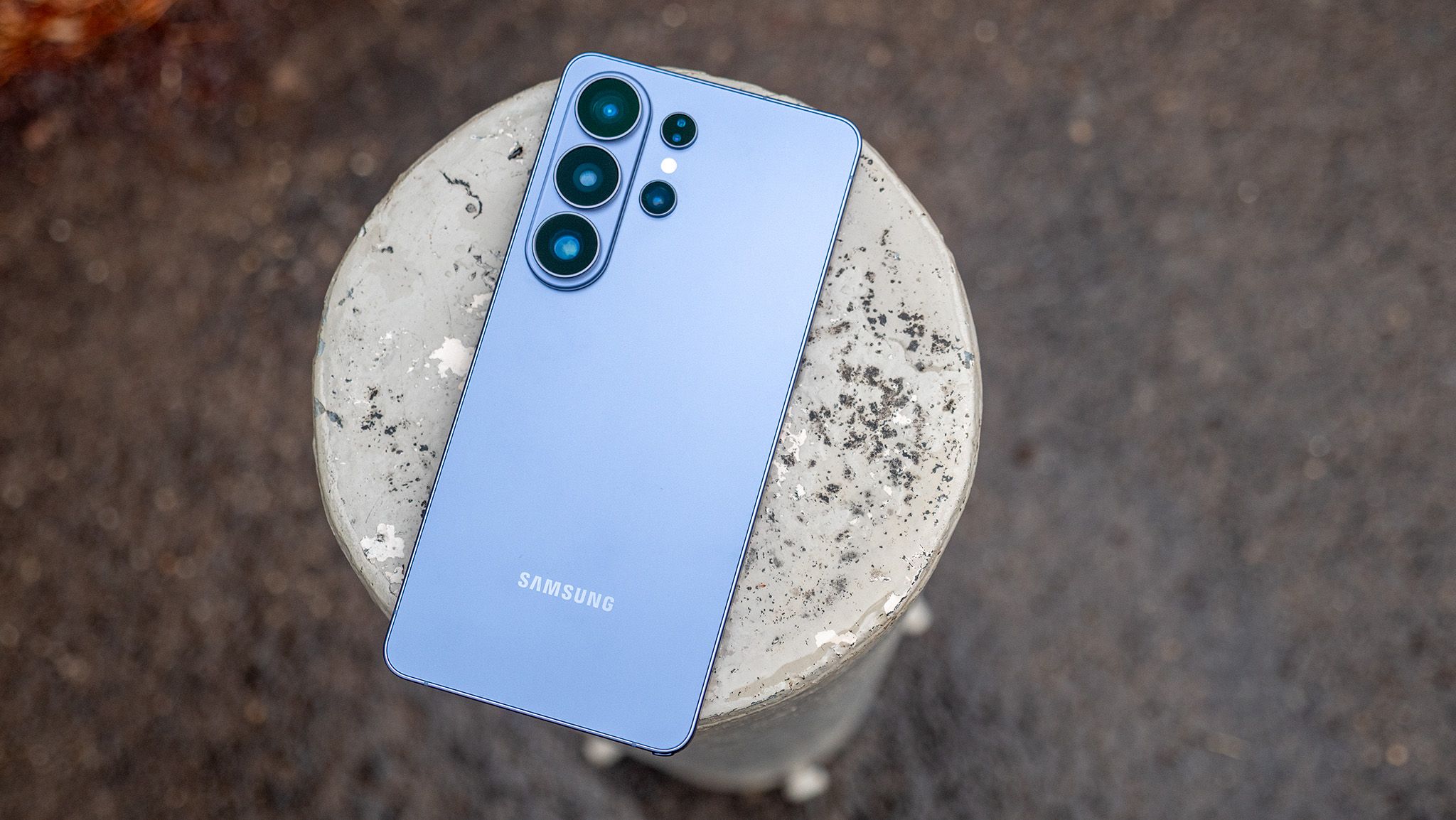
Samsung is rolling out Device Care version 13.8.80.7 with a new "Block apps with excessive ads" feature as part of One UI 8.5. The tool includes both basic blocking and an intelligent mode that analyzes alerts to identify ads before putting offending apps into deep sleep. The update is a modestly positive user-experience enhancement, but it is unlikely to have a material near-term impact on Samsung's stock.
This is a subtle but important shift in mobile software economics: Samsung is not just reducing notification noise, it is inserting a platform-level filter between third-party apps and user attention. Over time, that raises the effective cost of ad-heavy monetization for lower-quality apps, and should compress the long tail of opportunistic developers that rely on spammy alerts rather than durable engagement. The first-order beneficiary is Samsung’s own ecosystem credibility; the second-order beneficiary may be higher-quality app publishers that compete on retention rather than push-volume.
The bigger implication is that Samsung is normalizing a category of on-device AI moderation that can be extended beyond ads into scams, affiliate spam, and engagement-bait notifications. That creates a wedge against Android’s fragmentation problem: if Samsung can market itself as the “cleaner” Android experience, it can improve user retention and reduce churn to iOS at the margin. It also subtly pressures Google and other OEMs to add similar controls, which would make notification inventory less reliable across the ecosystem and reduce the bargaining power of ad-supported app monetization.
From a timing standpoint, the monetization impact is months, not days. The immediate effect is mostly sentiment: users like it, developers dislike it, and regulators will likely see it as a consumer-protection feature rather than an anti-competitive one. The real risk is false positives or over-blocking, which could trigger developer pushback and user complaints if legitimate transactional alerts get suppressed; if that happens, Samsung may need to soften the default settings, reducing the economic bite of the feature.
The contrarian read is that the market may overestimate the near-term revenue impact on app developers. Most large apps already monetize via ads embedded in the feed, not just alerts, so this is more of a marginal headwind to low-quality notification arbitrage than a broad-based attack on mobile ad spend. The cleaner trade is to view this as a durable UX win for premium device brands and a slow-burn headwind for the lowest-quality, ad-saturated Android app ecosystem.
AI-powered research, real-time alerts, and portfolio analytics for institutional investors.
Request DemoOverall Sentiment
mildly positive
Sentiment Score
0.20
