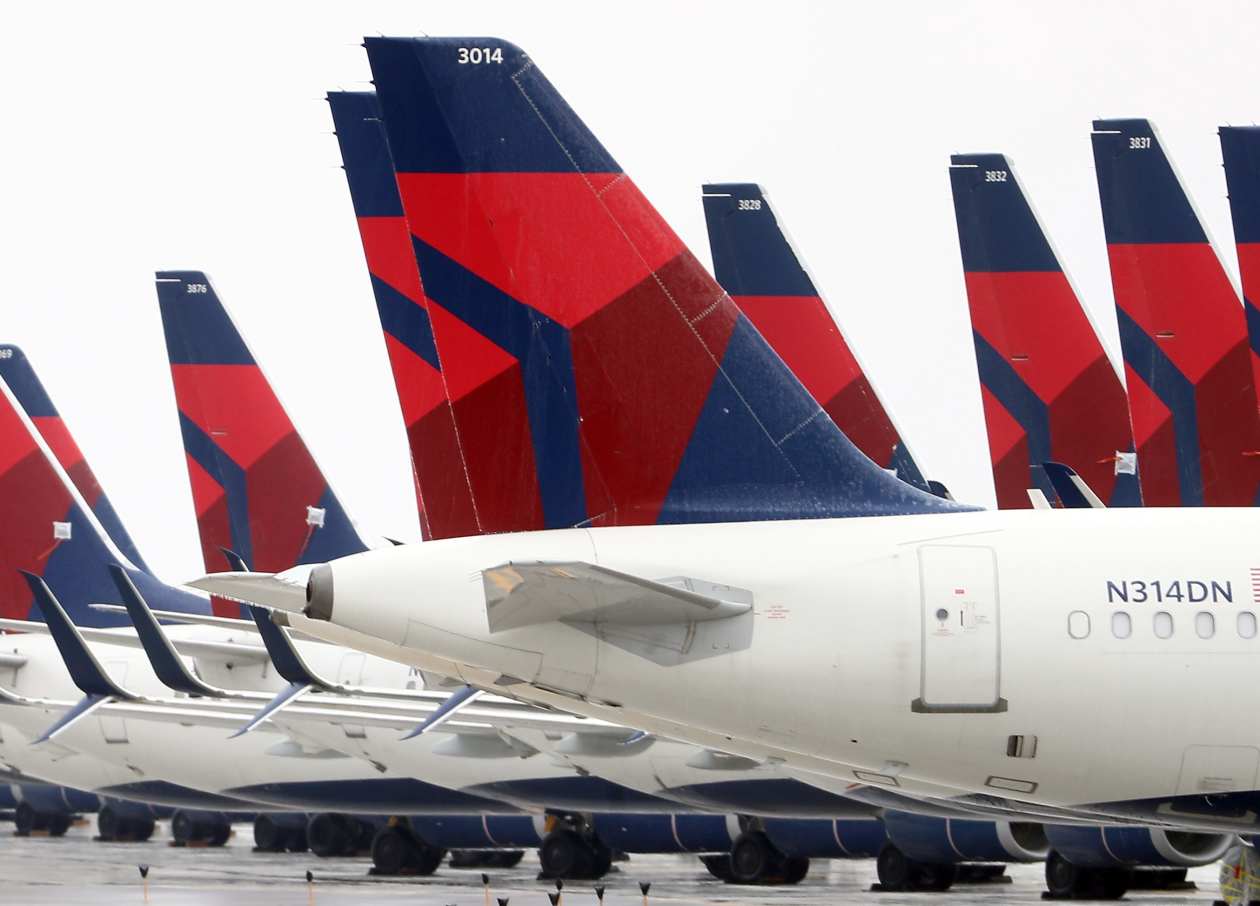
Berkshire Hathaway under Greg Abel appears to be unwinding some of Warren Buffett’s prior bets while adding to positions in Delta Air Lines, Google, and the New York Times. The article signals a shift in portfolio preference rather than a major operational event, with no earnings or guidance figures cited. Market impact is likely limited, but the moves may be watched for what they imply about Berkshire’s post-Buffett capital allocation.
The important signal here is not the individual stock additions or trims; it is that Berkshire is implicitly re-pricing the “Buffett factor” inside its own portfolio. A cleaner Abel-led capital allocation regime could reduce the halo premium around legacy positions and force each holding to stand on standalone cash generation and board-level governance quality. That is mildly negative for names that benefited from Buffett endorsement more than from fundamental reacceleration, and mildly positive for higher-conviction compounders that can attract follow-on institutional ownership once the transition is fully digested.
Google looks like the clearest second-order beneficiary because Berkshire’s continued support helps legitimize AI-adjacent capex and search monetization durability at a moment when investors are debating whether the cycle is peaking. If Berkshire is willing to keep adding, it likely signals that downside to near-term earnings from heavy investment is being underwritten by longer-duration cash flows; that matters because it can compress the valuation discount versus other mega-cap platforms if ad pricing stays stable over the next 2-3 quarters. The risk is that the market mistakes “Berkshire bought it” for a short-term catalyst, when in reality the rerating depends on evidence that incremental spend is still producing operating leverage.
For NYT, the interesting angle is that Berkshire support may be more powerful as a sentiment floor than as an immediate growth catalyst. The stock is vulnerable if ad demand softens or subscription growth decelerates, but as a scarce high-quality media asset, it can keep earning a premium multiple if investors continue to view it as one of the few defensible digital content franchises. Delta is the opposite: a bigger Berkshire vote of confidence can tighten the spread between airline fundamentals and market skepticism, but airlines remain macro beta with fuel and demand sensitivity, so any allocation here should be treated as a trading vehicle rather than a structural compounder.
The contrarian read is that the market may over-interpret portfolio reshuffling as a governance-driven indictment of Buffett-era picks. In reality, this could simply reflect a higher bar for concentrated legacy bets and a preference for liquid, scalable cash-flow compounders under a new CIO framework. If so, the unwind of older positions may create temporary dislocations in sentiment without changing underlying earnings trajectories, which is where the better setup lies for patient longs and selective pair trades.
AI-powered research, real-time alerts, and portfolio analytics for institutional investors.
Request DemoOverall Sentiment
neutral
Sentiment Score
0.15
Ticker Sentiment
