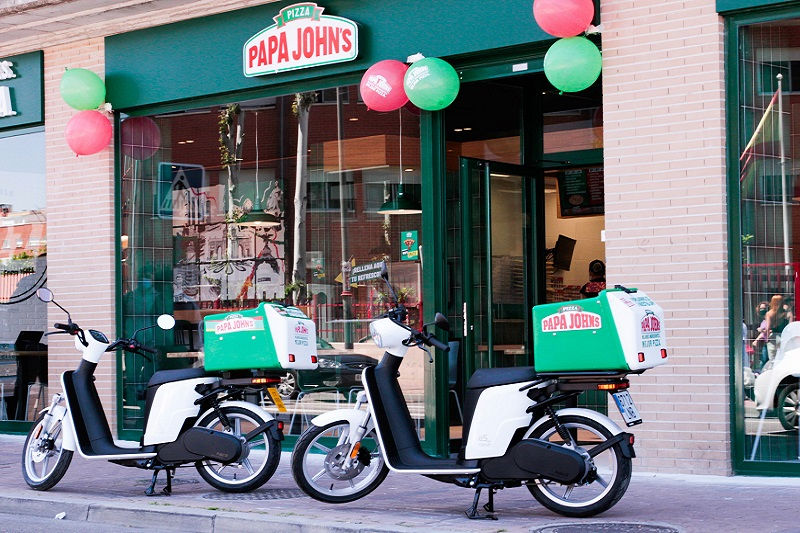
Papa John's shares rose 4.9% in premarket trading after Reuters reported its largest U.S. franchisee joined Irth Capital's effort to take the company private. The strengthened $47-per-share bid still represents a 44% premium to Thursday's close of $32.72 and is backed by Brookfield Asset Management. The involvement of Nadeem Bajwa, who operates nearly 300 locations and about 10% of U.S. restaurants, improves deal credibility despite Papa John's being down nearly 15% year to date.
This is less a simple takeout pop than a governance re-rating event for PZZA: the incremental franchisee backing reduces execution risk because the buyer now has operating credibility, not just capital. That matters in a category where unit economics are highly sensitive to franchisee alignment, and it increases the odds of a cleaner path through diligence and financing even if the public offer price doesn’t move much. The market is likely pricing a higher close probability rather than a materially higher bid.
The second-order read-through is more interesting for BAM and APOS than headline beta would suggest. For Brookfield, this is a low-duration, sponsor-backed carve-up style situation that reinforces its role as a “capital companion” in public-to-private deals, but the economics are more reputational than accretive at this scale. For APOS, any derivative-heavy sponsor participation in retail-facing M&A keeps pressure on discount-to-NAV narratives across private-markets vehicles, because public investors will continue to question the quality of markups when exits depend on sponsor-led capital structures.
The key risk is not a broken bid; it is time. If the process drags for months, PZZA likely bleeds back toward the pre-rumor range as traders fade the spread and North American comps reassert themselves. A competing bidder could also force a price reset, but absent that, the highest-probability outcome is a modestly improved offer or a prolonged negotiation that narrows upside while preserving downside if the board hesitates.
Consensus is probably underestimating how much this changes franchisee incentives. A large operator taking equity alongside a buyout can stabilize system-wide sentiment and reduce the odds of operational resistance, which is often the hidden failure mode in restaurant LBOs. But the same dynamic also caps upside for minority holders because strategic value is being transferred into the hands of insiders who already know where the operational levers are.
AI-powered research, real-time alerts, and portfolio analytics for institutional investors.
Request DemoOverall Sentiment
moderately positive
Sentiment Score
0.45
Ticker Sentiment
