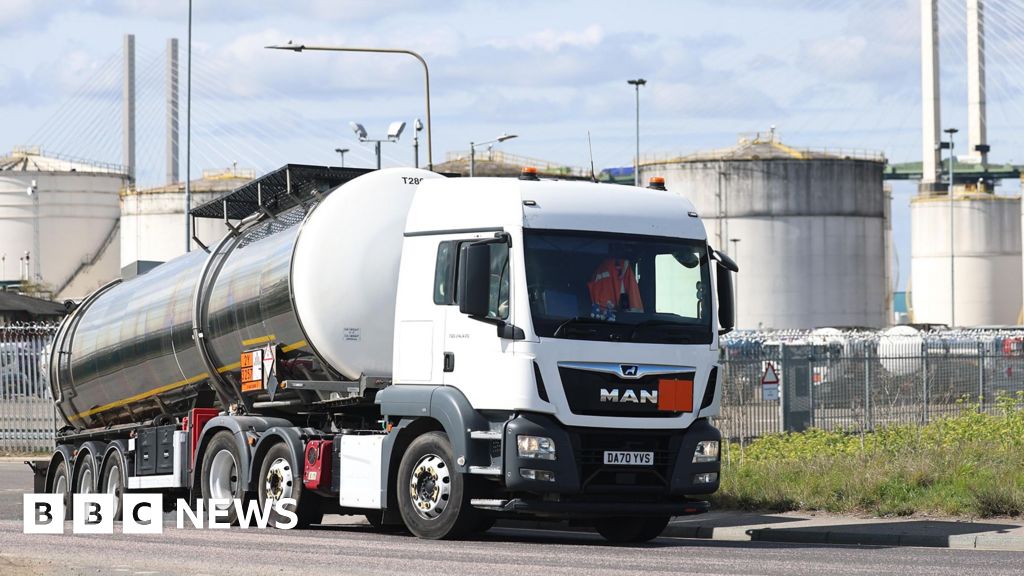
The UK government extended the 5p fuel duty cut to the end of the year, delaying its planned phase-out in September and costing £455m for the current tax year. It also cut red diesel duty to 6.48p per litre from mid-next month and granted a 12-month vehicle excise duty holiday for HGVs, measures aimed at easing pressure on drivers, farmers and hauliers. The announcement comes amid elevated petrol prices, with the RAC saying average fuel hit 158.52p a litre, and follows political pressure over a potential fuel tax increase.
This is less a direct macro stimulus than a targeted inflation cushion: the near-term beneficiary is transport-intensive, low-margin activity where fuel is a material share of operating cost and pricing power is weak. The biggest second-order winner is the domestic road freight chain, because fuel relief plus temporary HGV tax relief should slow freight-rate inflation just as distributors face sticky labor and insurance costs. That creates a modest disinflation impulse in goods-heavy CPI over the next 1-2 quarters, but it is likely too small to change the central bank path unless energy prices mean-revert sharply.
The more interesting market effect is relative, not absolute. Any benefit to consumers is likely to be diluted by a higher probability that the state eventually recaptures the revenue later, so the policy reduces near-term pressure without fixing medium-term fiscal arithmetic. That makes this a classic front-end relief / back-end uncertainty setup: businesses may delay price increases and capex decisions into year-end, but they will not re-rate long-duration demand assumptions until there is clarity on whether the duty reverts in full next spring.
The contrarian angle is that this is mildly bearish for fuel retail margins rather than positive for the whole energy complex. Fuel stations and convenience-heavy forecourts may see traffic support, but margin expansion is unlikely because pump prices remain hostage to crude and geopolitical risk while duty relief is politically fungible. The larger hidden risk is if global oil retraces; then the government could be pressured to remove the relief faster, creating an abrupt jump in transport costs and a short-lived squeeze in consumer discretionary spending.
AI-powered research, real-time alerts, and portfolio analytics for institutional investors.
Request DemoOverall Sentiment
neutral
Sentiment Score
0.05
