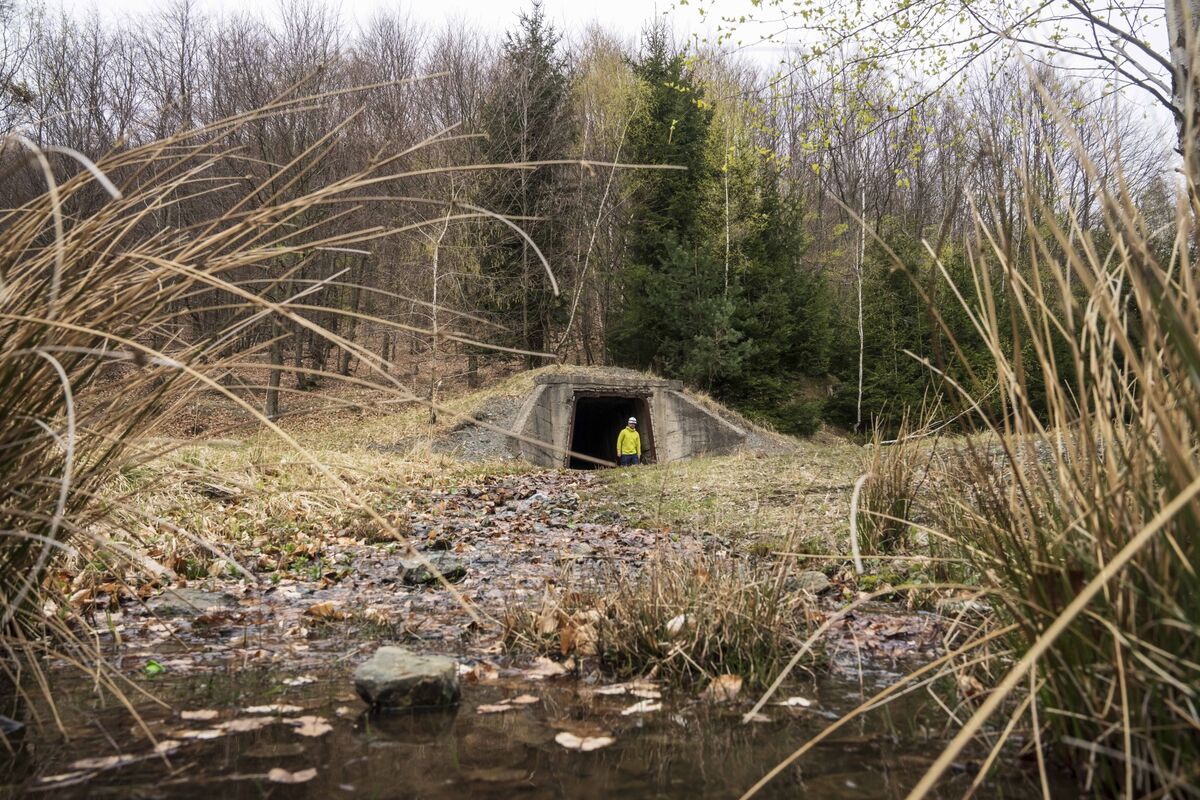
A Cold War-era antimony project in Slovakia highlights the EU’s struggle to secure critical minerals and reduce dependence on China. Military Metals Corp is positioning the Trojarova mine as a potential European source of antimony, a metal used in military equipment. The piece is largely strategic and exploratory, with no immediate production or financing milestone announced.
This is less about one Slovak mine and more about Europe discovering that “strategic autonomy” is a permitting, power, and capex problem, not a geology problem. If this project advances, the first winners are not the miner itself but the downstream refiners, toll processors, and defense suppliers that can secure non-China feedstock at a premium; the second-order beneficiary is any European midstream infrastructure tied to metallurgy, logistics, and energy. The likely loser is the incumbent China-linked supply chain, but the more immediate market effect is margin inflation for non-China alternatives rather than a clean dislocation of Chinese supply.
The key risk is timeline mismatch: this is a years-long supply chain rebuild, while markets tend to price “security of supply” as if production is imminent. In the next 3-12 months, the trade is vulnerable to permitting delays, local environmental pushback, financing constraints, and the reality that antimony is a byproduct-driven market where new primary supply can be slow to monetize. That creates a classic catalyst trap: headlines can re-rate names before offtake, metallurgy, and capex economics are proven.
The contrarian view is that the market is underestimating how much of the value accrues to governments and defense primes versus miners. If European procurement starts favoring “friend-shored” materials, the winners may be companies with existing processing capacity and defense exposure, while early-stage miners remain high-risk options with dilution and execution overhang. Conversely, if the EU cannot accelerate approvals, this becomes a sentiment event that strengthens the case for Asian supply dominance and keeps Western strategic mineral equities structurally expensive relative to delivery risk.
For positioning, the best risk/reward is to express the theme through diversified enablers rather than a single project bet, with tighter timing around policy catalysts than operational milestones. Expect sharp volatility on any EU funding, permitting, or defense procurement headlines, but the base case is still multi-quarter slippage before meaningful supply hits the market.
AI-powered research, real-time alerts, and portfolio analytics for institutional investors.
Request DemoOverall Sentiment
neutral
Sentiment Score
-0.10
