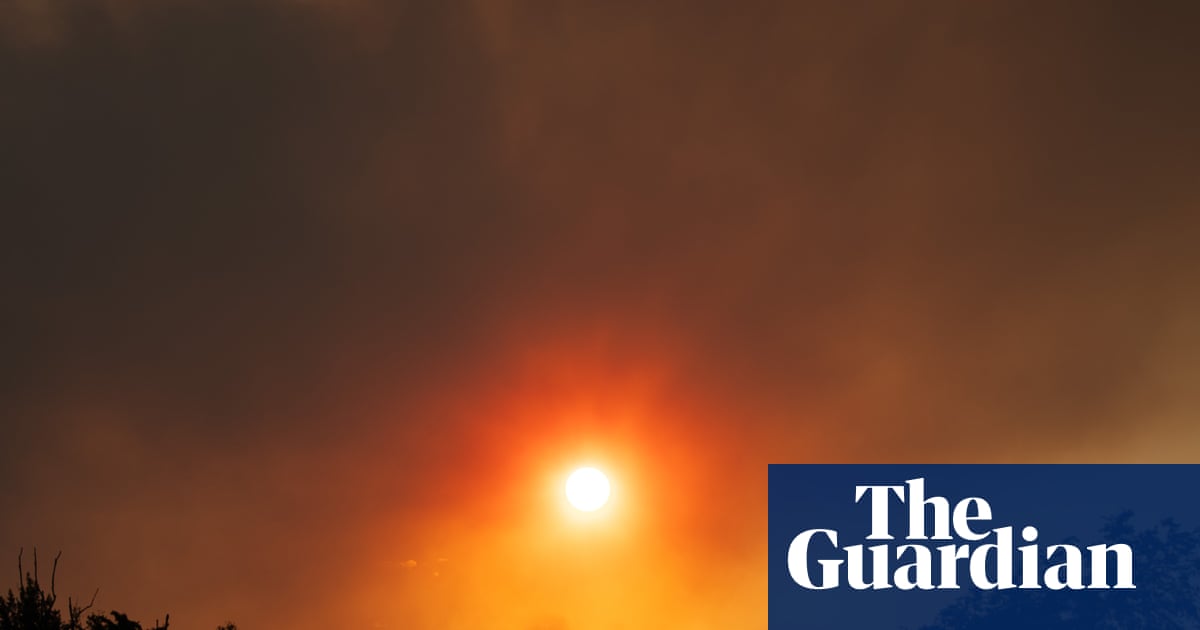
Utah issued its first-ever "particularly dangerous situation" red flag warning as wind gusts of 40-50+ mph, hot temperatures, and extremely dry air threaten explosive wildfire growth. The state has 9 active wildfires across more than 143,000 acres, including the Cottonwood fire at nearly 72,000 acres and 0% containment, prompting evacuations and the closure of Eagle Point ski resort. Governor Spencer Cox declared a state of emergency and temporarily banned personal fireworks through July 5, with air quality impacts extending to Zion and Bryce Canyon.
The immediate trade is not in the fire itself but in the policy response it forces. A statewide fireworks prohibition plus emergency posture should reduce near-term ignition risk, but the bigger second-order effect is on municipalities, insurers, and property owners that now have to price a materially higher probability of asset loss into the peak summer window. That is a short-duration risk regime: the next 2-6 weeks matter most because hot, windy conditions can convert an already bad season into a compounding claims event before containment gains catch up.
The losers extend beyond exposed structures. Regional insurers and reinsurers with western homeowners and small commercial concentration face a potential loss-frequency spike, while ski, park, and outdoor leisure operators in the Intermountain West may see a double hit from closures and smoke-related visitation declines. The smoke externality also hits healthcare utilization, but the more investable angle is utility and infrastructure resilience: utilities with older distribution networks in fire corridors can face accelerated capex, regulatory scrutiny, and litigation tail risk if ignition attribution shifts toward utility equipment.
Consensus will likely stop at "weather risk," but the underappreciated issue is human-caused ignition elasticity. If most new starts are behavioral, then policy can suppress a meaningful share of incidents quickly, making the market overestimate the persistence of the current escalation. That argues against chasing broad catastrophe hedges too late; the better setup is to own names with pricing power or low direct exposure while selectively shorting assets that are most sensitive to near-term visitation disruption and claims volatility.
AI-powered research, real-time alerts, and portfolio analytics for institutional investors.
Request DemoOverall Sentiment
strongly negative
Sentiment Score
-0.55
