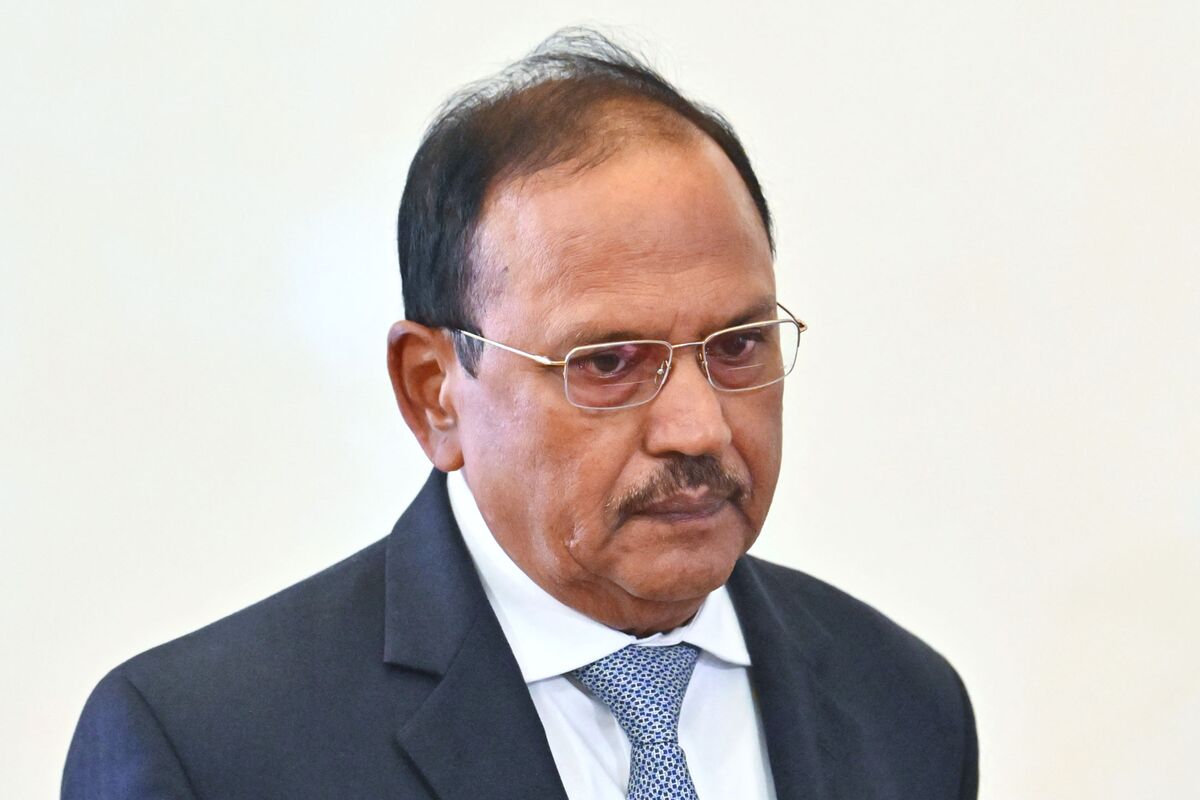
Indian Prime Minister Narendra Modi's top aides, National Security Adviser Ajit Doval and External Affairs Minister S. Jaishankar, are scheduled to visit Russia this month, proceeding despite recent US tariff threats aimed at New Delhi's close ties with Moscow. This move signals India's continued strategic engagement with Russia amidst escalating US pressure, highlighting potential geopolitical friction and its implications for international trade relations.
India is proceeding with high-level diplomatic missions to Russia, with National Security Adviser Ajit Doval and External Affairs Minister S. Jaishankar scheduled to visit despite explicit tariff threats from the United States. This move signals New Delhi's intent to maintain its strategic relationship with Moscow, even at the risk of antagonizing the Trump administration. The situation introduces a significant element of geopolitical friction into US-India relations, a dynamic reflected in the mildly negative sentiment score (-0.35). The core of the issue, as framed by the article, is Washington's disapproval of New Delhi's close ties with Moscow, linking geopolitical alignment directly to trade policy. For investors, this elevates the risk profile for assets exposed to Indo-US trade, as the moderate market impact score (0.45) suggests that any follow-through on tariff threats could have tangible economic consequences.
AI-powered research, real-time alerts, and portfolio analytics for institutional investors.
Request DemoOverall Sentiment
mildly negative
Sentiment Score
-0.35
