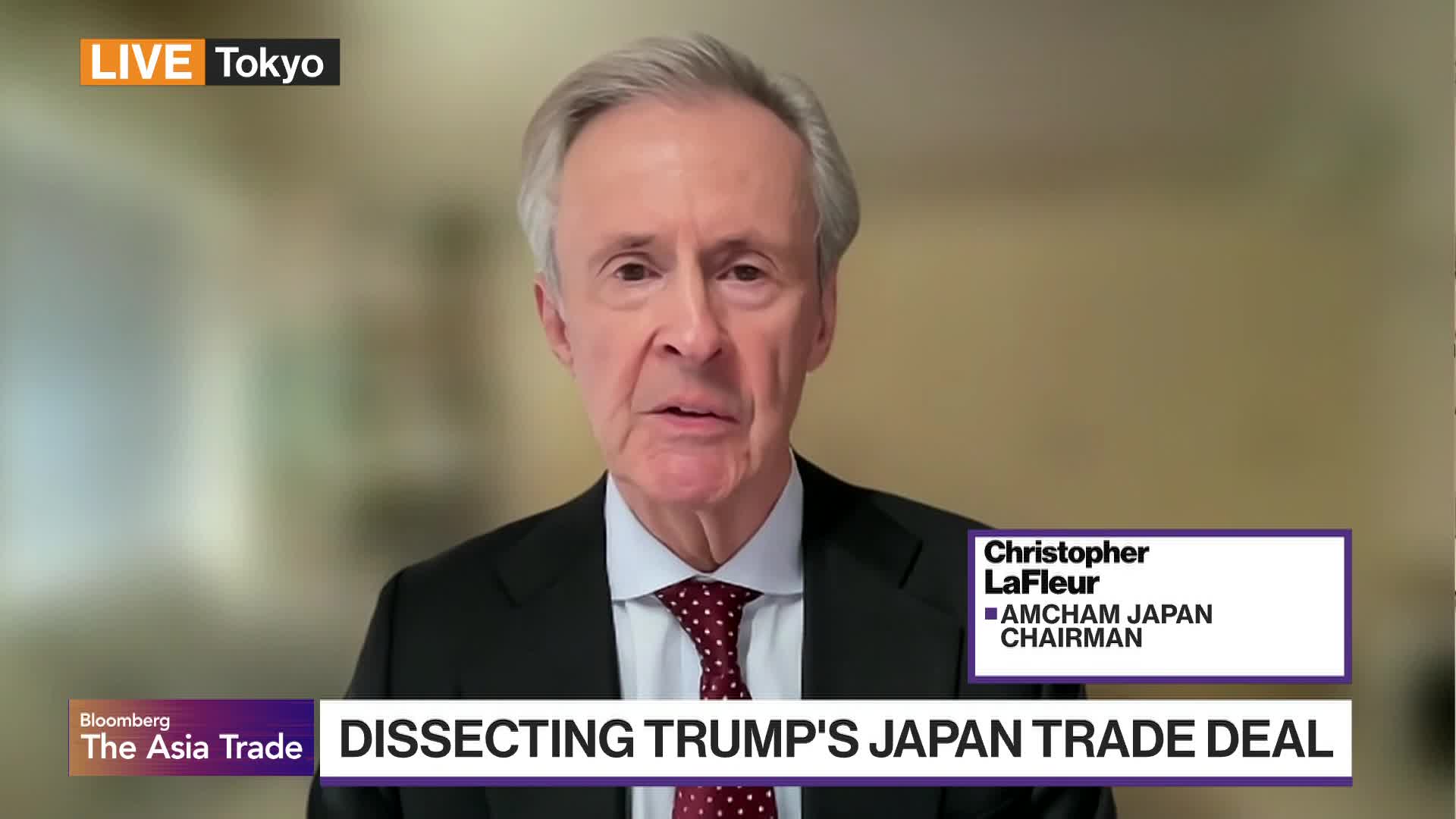
AmCham Japan's LaFleur provided analysis on the US-Japan trade deal, a significant development with potential implications for bilateral economic relations and cross-border investment strategies.
Commentary from the American Chamber of Commerce in Japan (AmCham) regarding the US-Japan trade deal highlights the ongoing focus on bilateral economic policy. The discussion centers on key themes of trade policy, supply chains, and tariffs, which are critical determinants for cross-border commerce and investment between the two nations. The neutral sentiment and low market impact score suggest the commentary is likely a high-level analysis or status update rather than a disclosure of new, market-moving information. Nevertheless, any potential evolution of this trade agreement carries significant implications for companies reliant on the existing framework, potentially altering tariff structures, regulatory requirements, and supply chain logistics. The analysis from a prominent business group like AmCham underscores the importance of this topic for multinational corporations navigating the US-Japan economic corridor.
AI-powered research, real-time alerts, and portfolio analytics for institutional investors.
Request DemoOverall Sentiment
Neutral
Sentiment Score
0.00
