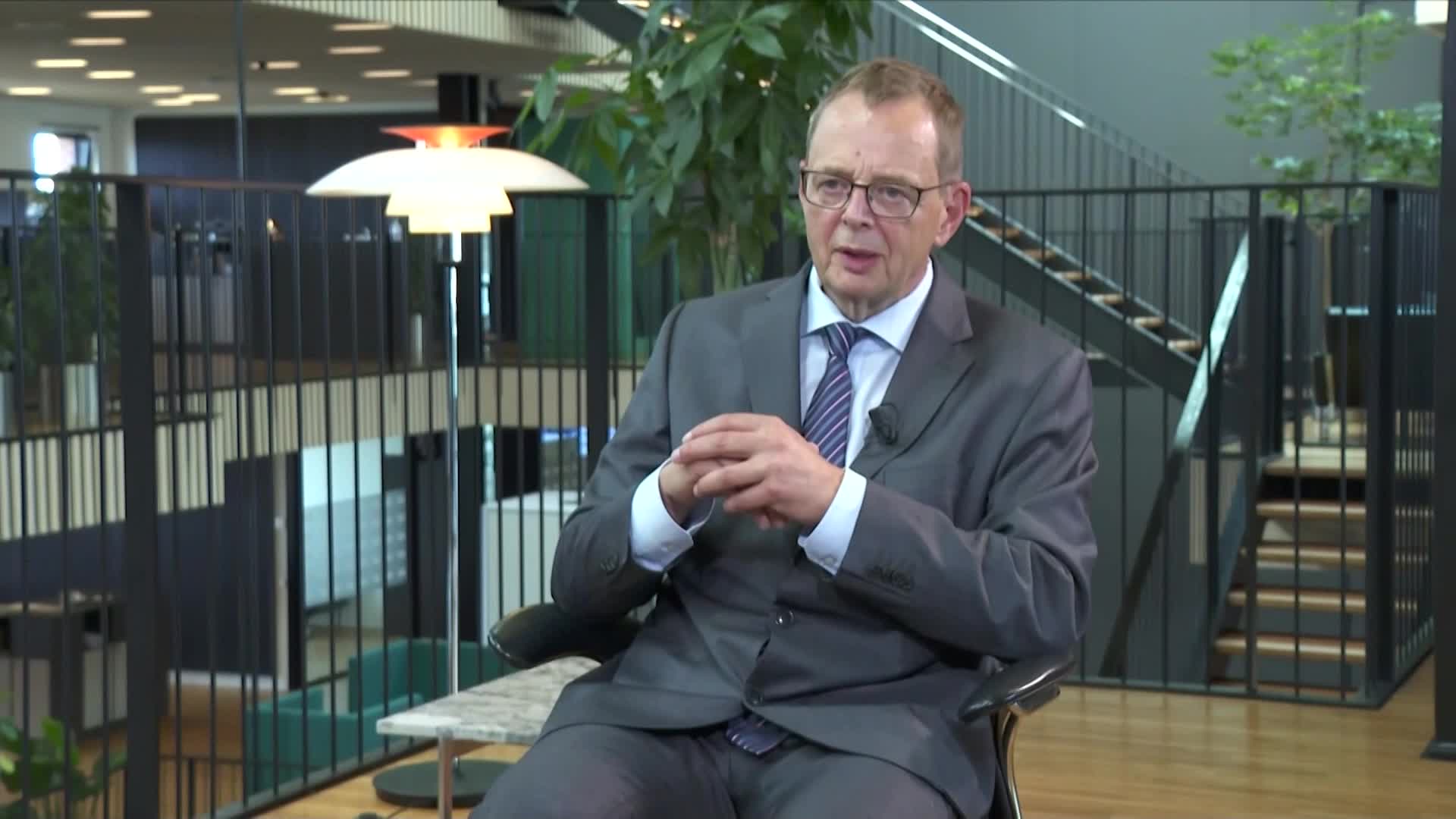
The Danish Central Bank Governor has warned that a potential slowdown in Novo Nordisk's growth trajectory is anticipated to negatively impact Denmark's Gross Domestic Product, highlighting the pharmaceutical company's significant influence on the national economy.
The Danish Central Bank Governor's warning establishes a direct and material link between a potential slowdown in Novo Nordisk's growth and a negative impact on Denmark's national GDP. This highlights a significant concentration risk within the Danish economy, where the performance of a single company has become a systemic factor for macroeconomic stability. The strongly negative sentiment score (-0.65 overall, -0.8 for NVO) and the cautious tone signal that market participants are taking this forward-looking risk seriously. Consequently, Novo Nordisk's corporate fundamentals are now intertwined with Denmark's sovereign economic outlook, meaning any deceleration in the company's growth trajectory could have broader economic repercussions beyond just its own valuation.
AI-powered research, real-time alerts, and portfolio analytics for institutional investors.
Request DemoOverall Sentiment
strongly negative
Sentiment Score
-0.65
Ticker Sentiment
